




- September the Booking Sweet Spot for Fall and Winter
- Flights: When to Book Fall Flights for the Best Fares
- Ski Season: When to Lock In Lift Passes and Chalets
- Holiday Travel: The Booking Window Before Prices Spike
- Building Your Six-Month Travel Booking Calendar
- Getting Your Connectivity Sorted Before You Book
- Frequently Asked Questions
Why Is September the Booking Sweet Spot for Fall and Winter Travel?
September sits right after the summer travel surge and right before the holiday rush, which is exactly why airlines and hotels drop prices to keep bookings steady. Demand dips, but inventory for October through February is already loaded into booking systems, so you get full route and room selection at lower prices.
This is also the month when ski resorts open early-bird pricing on season passes, and when airlines start releasing their December holiday fare buckets. Booking in September means you are choosing from the widest set of options before flights fill up and prices climb closer to departure. If you are weighing a fall trip, this is genuinely one of the better windows on the calendar, similar to how visiting Morocco in September benefits from the same shoulder-season pricing logic.
Flights: When to Book Fall Flights for the Best Fares?
For domestic fall trips within the US, aim to book six to eight weeks before departure. For international fall and winter travel, the window stretches to three to five months ahead, especially for long-haul routes to Asia, the Middle East, or South America.
Here is a rough breakdown frequent flyers can work from:
- Domestic flights (fall, September to November): book 45 to 60 days ahead
- International flights (fall): book 90 to 150 days ahead
- Domestic flights (December holidays): book 60 to 90 days ahead
- International flights (December holidays): book 120 to 180 days ahead
- Winter getaways (January to February): book 45 to 75 days ahead, since demand cools after New Year
Fares also shift by day of the week. Airlines typically load new fare sales on Tuesdays, so prices dip midweek before creeping back up by Friday when leisure travelers search in higher volume. If you are flexible, set fare alerts and check on Tuesday or Wednesday mornings.
One pattern worth knowing: the so-called 54 day rule suggests that domestic fares in the US tend to be lowest around 54 days before departure, based on historical fare tracking data. It is not an exact science, but it is a reasonable anchor point if you are trying to time a booking rather than guessing.
Heading Into Ski Season Soon?
Get mobile data sorted for chalets and resorts before lift lines start
Ski Season: When to Lock In Lift Passes and Chalets?
Ski resorts run their steepest discounts on season passes and multi-day lift tickets between April and September, well before the first snowfall. If you missed that window, the next best time to book is late September through October, when resorts release early-season lodging deals to fill chalets before December crowds arrive.
Chalets and ski-in properties in popular ranges like the Alps, the Rockies, or the Japanese Alps book out fast for the Christmas and New Year weeks, often six months in advance for the best locations. If your trip lands outside peak holiday weeks, say early January or late February, you have more flexibility and can often book just eight to ten weeks ahead without losing your pick of properties.
A practical tip from frequent winter travelers: book flights and lodging separately rather than as a bundle when possible. Airlines and resorts release inventory on different timelines, and bundling sometimes locks you into a higher blended price than booking each piece at its own optimal window.
Holiday Travel: The Booking Window Before Prices Spike
Holiday travel is the least forgiving category on this calendar. For Thanksgiving week in the US, prices typically start climbing sharply after the first week of October, so booking by late September to early October is your best shot at a reasonable fare.
For Christmas and New Year travel, the window is even tighter relative to demand. Booking six months out, around June or July, gets you the lowest prices and the most seat and route choices. If that has already passed, booking by mid-October is still workable, but expect fares 20 to 40 percent higher than the early window.
A few holiday-specific notes worth knowing:
- Flying on the actual holiday (Thanksgiving Day, Christmas Day) is almost always cheaper than flying the weekend before or after
- Red-eye and early morning flights hold their price longer than midday departures
- Connecting flights through secondary hubs often stay cheaper later into the booking window than nonstop routes
If your holiday plans include a road trip portion, whether that is a drive through New England for the leaves or a loop through the American Southwest, check coverage along the route ahead of time using a resource like the USA road trip eSIM coverage guide, especially if your route passes through remote stretches with patchy carrier signal.
Building Your Six-Month Travel Booking Calendar
Here is how frequent flyers can map out the next six months without missing a pricing window:
- Now through mid-September: lock in any international fall flights and ski season passes
- Late September: book domestic fall flights and early-season ski chalets
- Early October: finalize Thanksgiving flights before fares jump
- Mid to late October: book Christmas and New Year flights if you have not already
- November: confirm winter getaway flights for January and February travel
- December: book spring break flights early, since that window opens even further out
If you are planning a cold-weather national park trip during this stretch, somewhere like a winter visit to Yellowstone rewards early planning too, both for lodging availability and for knowing what connectivity to expect once you are inside the park. The first trip to Yellowstone guide covers what to expect on that front.
It also helps to build in a buffer for visa or travel document needs. If your fall or winter itinerary includes crossing US borders multiple times, applying for expedited entry now rather than closer to your trip avoids delays. The Global Entry application guide walks through the process and typical processing times, which can run several weeks.
Multi-Country Winter Trip Planned?
One eSIM covers every stop, no roaming bills or SIM kiosk queues
Getting Your Connectivity Sorted Before You Book
Once your flights and lodging are booked, the next practical step is deciding how you will stay connected once you land, especially if your trip spans multiple countries or a long ski holiday abroad. Roaming charges on a standard mobile plan can add up fast over a multi-leg winter trip, and buying a local SIM card at each airport eats into time you would rather spend at the slopes or checking into your hotel.
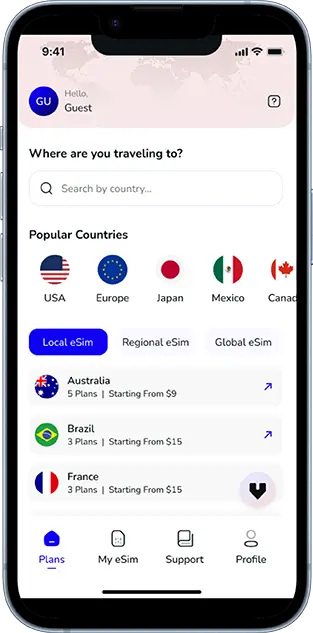
A Voye Global eSIM sets up before you leave, so your phone is ready the moment you land, no roaming fees and no hunting for a SIM kiosk with a long queue. It works the same way whether your winter itinerary takes you through one country or five, and you can top up mid-trip if your plans change.
If your fall or winter trip includes a budget-conscious stop, comparing daily costs ahead of time also helps you plan your data needs alongside your spending money. A guide like the Dubai trip cost breakdown shows how practical cost planning, including connectivity, fits into an overall travel budget.
Booking your fall and winter trips on the right timeline is only half the plan. Getting your connectivity, documents, and route knowledge sorted early means you spend less time troubleshooting once you are actually traveling, and more time enjoying the trip you booked months in advance.
Frequently Asked Questions
Early September is generally the sweet spot for fall flights, especially for domestic US routes booked 45 to 60 days out. International fall routes need more lead time, often 90 to 150 days ahead, since long-haul fare buckets fill faster and shoulder-season demand is lower overall.
For winter vacations, book 60 to 90 days ahead for domestic trips and 120 to 180 days ahead for international ones, especially over the December holidays. Ski chalets in popular ranges often sell out six months before Christmas and New Year weeks.
September tends to be the cheapest month to book fall flights, since demand dips right after summer travel ends while airlines still hold full inventory for October through December departures. Booking any later usually means narrower route choices and rising fares.
Booking early is almost always cheaper for fall and winter travel, particularly for holiday periods and international routes. Last-minute bookings can occasionally work for flexible domestic trips, but holiday fares especially climb 20 to 40 percent once the peak booking window closes.
The 54 day rule refers to historical fare data suggesting domestic US flights are often priced lowest around 54 days before departure. It is not guaranteed for every route, but it is a useful anchor point when deciding when to book fall flights or winter trips.
For domestic flights, book six to eight weeks ahead. For international flights, especially over fall and winter holidays, book twelve to twenty weeks ahead to secure better fares and full seat availability before prices climb closer to departure.
Book Christmas travel flights by June or July for the lowest fares and widest route choice. If that window has passed, booking by mid-October is still workable, though expect noticeably higher prices than the early summer booking window.
Tuesday and Wednesday mornings tend to offer the cheapest fares, since airlines typically release new fare sales early in the week before leisure travel searches push prices back up by Friday and over the weekend.

Seamless Mobile Data Everywhere














 English