



TGV High Speed Rail: Routes, Booking Windows and Pricing
The TGV (Train a Grande Vitesse) is France’s high-speed rail network, and it is the backbone of long-distance travel in the country. Trains connect Paris to Lyon in about two hours, to Marseille in just over three, and to Bordeaux in around two hours. Speeds reach up to 300 km/h (186 mph) on dedicated lines.
SNCF, the national rail operator, opens most TGV bookings around three to four months in advance. Prices work on a yield system similar to airlines, so a Paris to Lyon ticket booked two months out might cost 35 to 45 USD, while the same route booked the day before can run 90 USD or more.
How Far Ahead Should You Book?
Book TGV tickets as soon as the booking window opens, usually three to four months before travel, especially for holiday weekends or Friday evening departures out of Paris. Early bookers often lock in the cheapest fare bracket, called Prem’s fares, which can be half the standard price.
Is First Class Worth It?
First class on the TGV gets you wider seats, more legroom, and sometimes a quieter car, but the price jump is usually 20 to 30 USD over second class. For trips under three hours, second class is perfectly comfortable, so save first class for longer hauls like Paris to Nice.
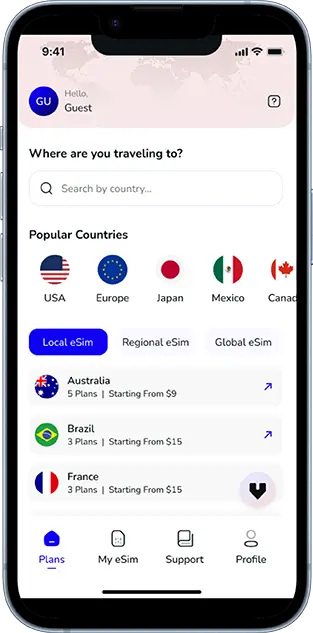
If you are staying online to compare fares or check platform changes on the go, a France eSIM keeps you connected the moment you land, without hunting for station WiFi.
Stay Online Between French Train Stations
Keep maps, tickets, and translation apps working from Paris to Provence
Paris Metro and RER: Navigating the City Efficiently
Paris has two overlapping rail systems. The Metro runs 16 lines within the city, with stations rarely more than a five-minute walk apart. The RER (Reseau Express Regional) handles longer suburban routes, including the airport lines to Charles de Gaulle and Orly.
A single Metro ticket costs around 2.15 USD, but if you are riding more than four or five times a day, the Navigo Easy card pays for itself. A carnet of ten tickets loaded onto Navigo Easy runs about 19 USD, and a weekly Navigo pass covering unlimited rides in zones 1 to 5 (which includes both airports) costs roughly 30 USD.
How Do You Avoid Rush Hour Crowds?
Paris Metro trains get packed between 8 and 9:30 AM and again from 5:30 to 7 PM on weekdays. If your schedule is flexible, museum visits and long Metro rides are more pleasant mid-morning or after 8 PM.
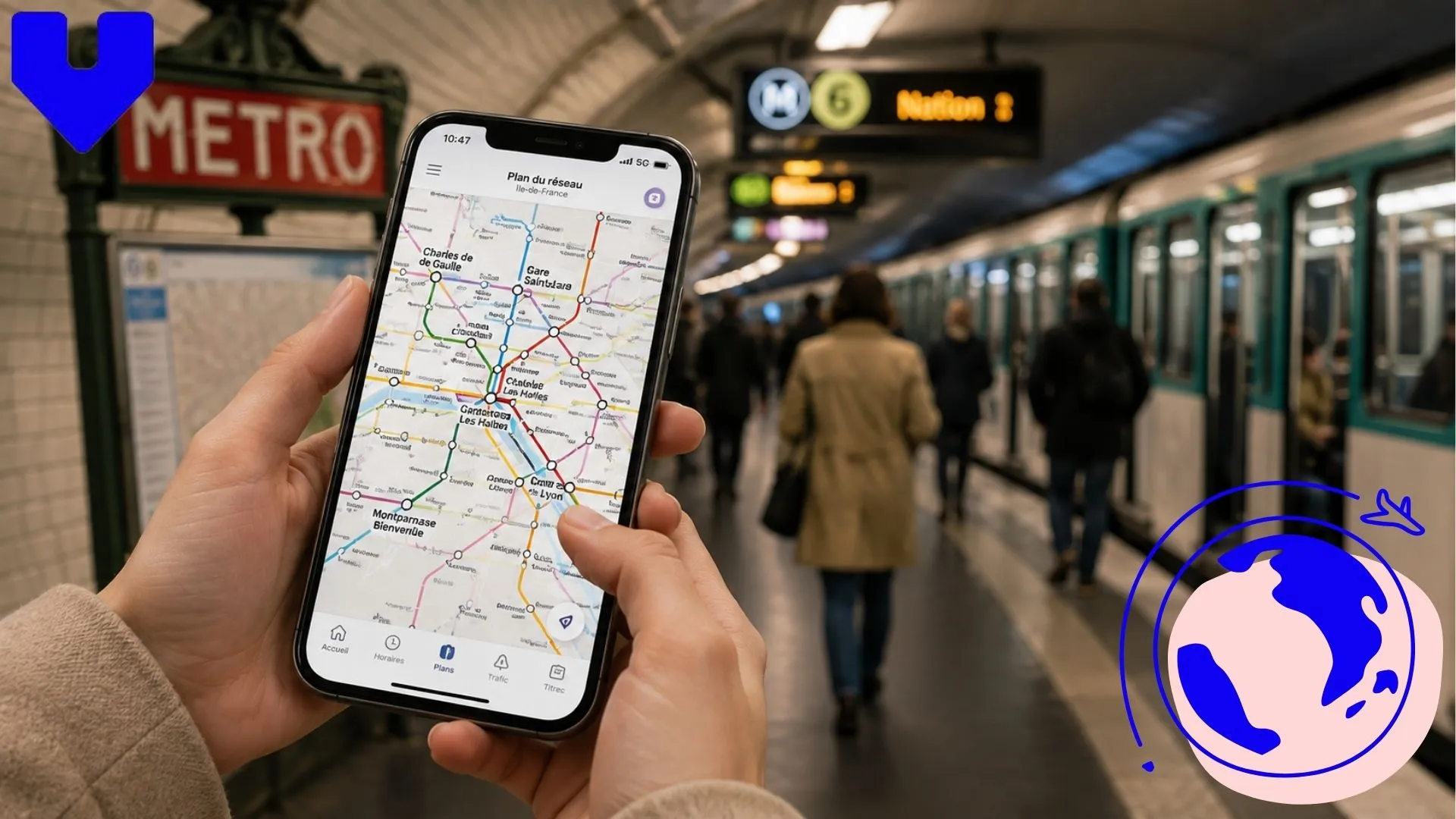
Signal can drop underground, particularly on older Metro lines, so if you rely on maps or translation apps while riding, it helps to know how to stay connected in the Paris Metro before your trip rather than figuring it out at a crowded platform.
Regional TER Trains for Smaller Towns
TER (Transport Express Regional) trains fill the gap between the TGV network and small-town France. These are slower, regional trains that connect places the high-speed lines skip, like Colmar in Alsace, Avignon’s smaller stations, or the towns around Bordeaux’s wine country.
TER trains are cheaper than the TGV, often 8 to 20 USD for a one to two-hour ride, and they rarely require advance booking. You can buy a ticket at the station an hour before departure and still get a seat.
Do TER Trains Run on Time?
TER trains are generally reliable, though rural lines can see more delays than the TGV network, especially during regional strikes, which happen periodically in France. Building in a 30 to 45 minute buffer for connections is a smart habit on TER routes.
These trains are ideal for day trips out of a base city. If you are staying in Lyon and want to see smaller cities beyond the famous ones, a TER ticket is usually your cheapest and simplest option.
Check out our plans
-

France 3 Days Unlimited Data
USD 6.00 -
France 7 Days Unlimited Data
USD 13.00 -
France 10 Days Unlimited Data
USD 17.00 -
France 15 Days Unlimited Data
USD 23.00
When Renting a Car Makes Sense?
Trains cover France’s cities well, but rural regions are a different story. If your trip includes the Loire Valley chateaux, the lavender fields of Provence, or the D-Day beaches in Normandy, a rental car is often the only practical way to see them on your own schedule.
Rental cars in France typically run 35 to 70 USD per day for a compact car, plus fuel, which averages around 1.85 USD per liter (roughly 7 USD per gallon). Most rentals include manual transmission by default, so request automatic in advance if you need it, since availability is limited and pricing is higher.
Do You Need an International Driving Permit?
US and UK license holders generally need an International Driving Permit alongside their home license to rent and drive legally in France. Requirements can vary by rental company and change periodically, so confirm directly with your rental provider and check current rules before booking.
What About Tolls and Parking?
France’s autoroutes (highways) use toll booths, and a three-hour drive can add 15 to 25 USD in tolls. Historic city centers like Avignon or Annecy often restrict or heavily charge for parking, so look for park-and-ride lots on the outskirts if you are driving into a town center.
A car also means relying on GPS and live traffic data in areas with patchy coverage, which is where having your own mobile data through an eSIM for France matters more than in a city where WiFi is everywhere.
Skip the Airport SIM Card Line
Activate data before you land and start navigating France right away
Intercity Buses for Budget Routes
For travelers watching every euro, FlixBus and BlaBlaCar Bus connect most major French cities at a fraction of the TGV price. A Paris to Lyon bus ticket can cost as little as 12 to 20 USD, compared to 35 USD and up for the train, though the ride takes six hours instead of two.
BlaBlaCar also runs a separate carpooling platform, where you share a ride with a local driver heading the same direction. It is popular for reaching smaller towns that neither the TGV nor FlixBus serve directly, and fares are often cheaper than a solo train ticket.
When Is the Bus Worth the Extra Time?
Buses make sense on routes where the time difference is small, like Lyon to Grenoble (about ninety minutes longer by bus than train but half the price), or when you are traveling overnight and can sleep through the journey anyway.
If you are building out a longer itinerary and comparing real costs across trains, buses, and hotels, this breakdown of France on a budget is a useful companion piece.
Booking Apps and Tools Worth Downloading
A handful of apps make getting around France noticeably smoother:
- SNCF Connect: the official app for TGV, TER, and Intercités bookings, plus real-time platform and delay information.
- Trainline: aggregates SNCF and other European rail operators, useful if your trip crosses into neighboring countries.
- Bonjour RATP or Citymapper: for real-time Paris Metro and RER routing, including service disruptions.
- Flixbus and BlaBlaCar: for booking bus and carpool routes directly.
- Google Maps: reliable for walking and driving directions once you have mobile data, though it can struggle with live transit updates in smaller towns.
All of these apps depend on a working data connection, and hotel or cafe WiFi will not help you mid-journey on a train or in a rental car. Most travelers set up a France eSIM before departure so these apps work the moment they land, without hunting for a local SIM card at the airport.
Never Lose Signal on a Rural Drive
Keep GPS working through the Loire Valley and Normandy countryside roads
Which Option Fits Your Trip?
| Transport | Best For | Typical Cost | Booking Lead Time |
|---|---|---|---|
| TGV | City to city, long distances | 35 to 90 USD | 3 to 4 months ahead for best fares |
| Paris Metro/RER | Getting around within Paris | 2 to 30 USD (single to weekly pass) | None |
| TER | Day trips, smaller towns | 8 to 20 USD | Same day is fine |
| Rental car | Rural regions, flexible routes | 35 to 70 USD/day plus fuel and tolls | 1 to 2 weeks ahead |
| Flixbus/BlaBlaCar | Budget long distance travel | 12 to 25 USD | A few days ahead |
Most trips through France end up combining two or three of these. A common pattern is TGV between major cities, Metro within Paris, and a rental car for a few days exploring one rural region like the Loire Valley or Provence. Planning around this mix, rather than picking one mode for the whole trip, is what actually gets you around France efficiently.
Whatever combination you choose, staying reachable matters just as much as the ticket in your hand, whether that is pulling up a boarding QR code on the platform or rerouting around a canceled TER connection. If you want the fuller picture of getting online before you land, this France travel guide covers connectivity city by city alongside the transport basics.
Frequently Asked Questions
For most trips, the TGV high speed train is the best way to get around France between major cities, combined with the Paris Metro for getting around the capital. Rental cars work better for rural regions like Provence or the Loire Valley that trains do not reach.
Yes, France has one of Europe’s best rail networks, so you can easily travel between major cities and even many smaller towns without a car. A car only becomes useful for reaching rural villages, vineyards, or countryside sites off the train lines.
Not for cities and popular regions, since TGV and TER trains cover most tourist routes well. You will likely want a car only if your itinerary includes rural areas like Normandy’s D Day beaches or Loire Valley chateaux that lack direct train access.
Intercity buses like Flixbus and BlaBlaCar Bus are usually the cheapest way to get around France, often costing 12 to 25 USD per route. Regional TER trains are a close second and faster, typically running 8 to 20 USD for shorter distances.
Yes, the French train system is well organized, with SNCF Connect handling bookings, seat selection, and real time updates. Stations have clear signage, and TGV trains post platform numbers about 20 minutes before departure, making it manageable even for first time visitors.
You can get around France without speaking French easily in cities, since ticket machines, apps like SNCF Connect, and most station staff support English. Learning a few basic phrases helps in smaller towns, and translation apps work well as long as you have mobile data.
The TGV is the best way to travel from Paris to other major French cities, reaching Lyon in about two hours and Marseille in just over three. Book three to four months ahead for the lowest fares, since prices rise closer to departure.
Yes, Uber operates in Paris and several other major French cities including Lyon, Marseille, and Nice, though coverage thins out in smaller towns. Local taxi apps and regional transit are often more reliable outside the biggest cities.

Seamless Mobile Data Everywhere













 English