




- George Town Festival
- 2026 Festival Run, and Is It Still Going in August
- The Permanent Street Art That Outlasts the Festival
- What to Expect at George Town Festival Events
- Getting to Penang and Around George Town
- Staying Connected in George Town’s Heritage Lanes
- Where to Base Yourself
- Practical Tips for First-Time Visitors
- Frequently Asked Questions
What Is the George Town Festival?
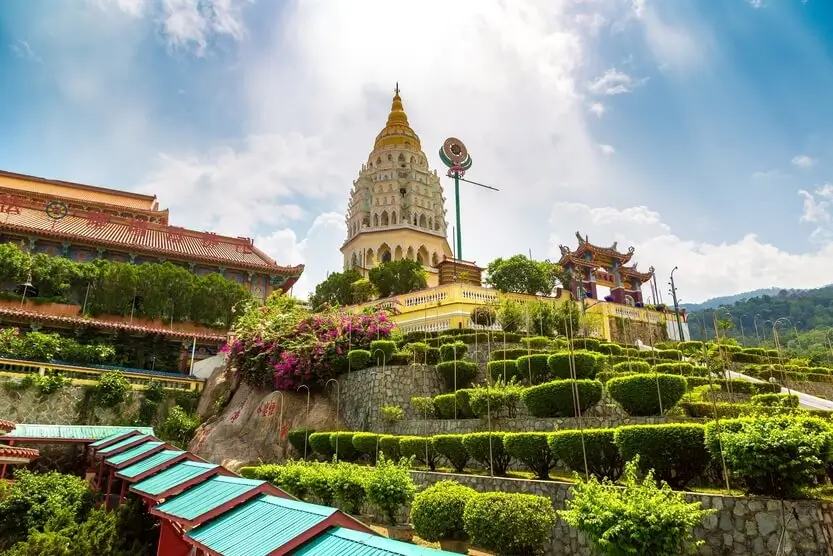
George Town Festival is an annual multidisciplinary arts festival held in George Town, the historic capital of Penang, Malaysia. It mixes visual art, street art commissions, theatre, dance, music, and community programming inside a UNESCO World Heritage Site, using colonial-era shophouses, warehouses, and public lanes as improvised stages and galleries.
It started in 2010 to mark George Town’s UNESCO inscription, and it has grown into a genuine cultural calendar event, drawing artists and performing groups from across Malaysia, Southeast Asia, and further afield. Unlike a food festival or a fireworks show, the George Town Festival is built around temporary occupation of real, lived-in heritage buildings. A shuttered shophouse becomes a black-box theatre for a weekend. A five-foot way becomes an outdoor gallery. That’s the draw for travellers who want Penang as a cultural destination, not just a culinary one.
Land in Penang already connected
Activate your Malaysia eSIM before takeoff so maps and Grab work the moment you arrive
When Does the 2026 Festival Run, and Is It Still Going in August?
George Town Festival typically runs across a stretch of late July into August, with the exact program and closing weekend varying by year. If you’re arriving in mid-August, it’s worth checking the official festival calendar before you land, since some years the flagship program wraps by the second week of August while community and fringe events continue a little longer.
Even if you land after the festival closes, you won’t miss out entirely. A large share of what makes George Town an arts destination, the street art specifically, is permanent and viewable year-round regardless of festival dates. Treat the festival’s official program as a bonus layer on top of a city that’s already an open-air gallery.
The Permanent Street Art That Outlasts the Festival
This is the part most visitors don’t realise until they’re standing in front of it: a large amount of George Town’s street art wasn’t painted by a random artist looking for a wall. Much of it was commissioned through the George Town Festival and related heritage-arts programs over the past decade, and it has stayed up as permanent installations rather than being repainted over.
The murals along Armenian Street, Cannon Street, and Lebuh Ah Quee, plus the steel-rod caricature sculptures scattered through the old town, have become tourist landmarks in their own right, independent of festival timing. That’s why George Town works as an arts destination on any given week of the year, not only during the festival window.
A few things worth knowing before you go looking for them:
- Murals are unmarked and scattered across a compact grid of narrow lanes, not laid out on a single main street.
- Some of the most photographed pieces (bicycle murals, the “kids on a swing” piece) sit down side lanes with no signage pointing to them.
- Early morning is the best time to shoot them without crowds and with softer light on the shophouse walls.
- A few originals have faded or been touched up over the years, so what you see may differ slightly from older photos online.
Never lose your way in George Town
Keep maps loaded through every narrow heritage lane with reliable mobile data
What to Expect at George Town Festival Events?
Programming typically spans theatre, dance, contemporary visual art exhibitions, live music, film screenings, and community workshops, spread across dozens of venues inside the heritage zone. Expect a mix of ticketed indoor performances and free outdoor installations, with events changing venue night to night rather than running from one fixed site.
A typical festival evening might involve a ticketed contemporary dance performance in a converted warehouse, a free outdoor light installation two streets over, and a pop-up food stall built around the crowd rather than the other way round. Venues aren’t always permanent buildings either; some are shophouses that only open to the public for the festival run and go back to being private residences or storage the rest of the year. That’s part of the appeal, but it also means the same event listing can point to a different address than what shows up when you actually arrive.
Check out our plans
-
Malaysia 3 Days Unlimited
USD 6.00 -
Malaysia 7 Days 5GB
USD 9.00 -
Malaysia 7 Days Unlimited
USD 13.00 -
Malaysia 10 Days Unlimited
USD 17.00 -
Malaysia 15 Days 8GB
USD 15.00 -
Malaysia 15 Days Unlimited
USD 23.00
Getting to Penang and Around George Town
Penang International Airport is well connected for a trip built around a festival with a fixed set of dates. Direct flights run from Kuala Lumpur in around 45 minutes, from Singapore in about an hour, and from several other regional cities across Southeast Asia, so a short festival trip is realistic even on a long weekend.

If you’re coming overland from Peninsular Malaysia’s mainland rail network, ferries from Butterworth connect directly to George Town’s ferry terminal on the island, a scenic and cheap alternative to the bridge if you’re not driving.
Once you’re in George Town itself, the heritage core is genuinely easy to get lost in. Streets are narrow, many run one-way or pedestrian-only, and block numbering doesn’t always follow a logical order from one lane to the next. A working maps app on your phone isn’t a nice-to-have here, it’s close to essential, especially once festival venues start popping up in buildings that don’t otherwise have addresses listed anywhere.
Grab is the practical option for getting from the airport or the ferry terminal into the heritage zone, and for hopping between festival venues that are too far apart to comfortably walk in Penang’s heat and humidity.
Staying Connected in George Town’s Heritage Lanes
Between pulling up maps in a maze of shophouse lanes, booking Grab rides from the airport or ferry terminal, and tracking down festival venues that shift location through the month, you’ll be leaning on your phone’s data connection more than you might expect on a typical city break. Roaming charges from your home carrier can add up fast in a country you’re only visiting for a few days, and hotel WiFi in older heritage buildings isn’t always reliable enough to trust for real-time navigation.
A Malaysia eSIM is the straightforward fix. You activate it before you land, so you land already connected instead of hunting for a local SIM counter, and it works across the maps, ride-hailing, and messaging apps you’ll actually be using while festival-hopping through George Town. It’s worth setting up a day or two before departure so you’re not troubleshooting activation from the arrivals hall. If you do run into trouble once you land, our eSIM troubleshooting checklist covers the most common fixes, and our guide on what to do when your phone says no service abroad walks through the usual causes if signal drops out mid-trip.
If Penang is one stop on a wider Southeast Asia route, it’s also worth reading up on regional eSIM options built for backpackers covering multiple countries on one plan, rather than buying a fresh eSIM for every border you cross.
Chase festival venues without missing a beat
Track shifting event locations and book rides instantly with data that just works
Where to Base Yourself?
Staying inside or right on the edge of the UNESCO heritage zone puts you within walking distance of most festival venues, which matters when the program is spread across dozens of small sites rather than one central hub. Areas around Armenian Street, Love Lane, and Chulia Street put you in the thick of both the murals and the festival action.
Boutique heritage hotels housed in converted shophouses are popular during festival season and tend to book out early, so confirm your stay well ahead of your travel dates. If you’re comparing hotel WiFi against your own connection for streaming festival updates or video-calling home, our guide on what to check before trusting free hotel WiFi is worth a read before you rely on it for anything time-sensitive.
Practical Tips for First-Time Visitors
- Book festival tickets for marquee performances in advance; free outdoor and street events don’t need booking, but popular ticketed shows do sell out.
- Wear comfortable, breathable shoes; George Town’s tropical heat and uneven five-foot ways make sightseeing tiring faster than you’d expect.
- Carry a mix of cash and card; many smaller heritage cafes and stalls still prefer cash.
- Check venue addresses the same day, since festival locations can shift or get confirmed closer to the event date.
- Confirm your Malaysia eSIM is active before you leave home so you’re not relying on airport WiFi to sort out connectivity on arrival.
George Town Festival is a genuine reason to see Penang as more than a food stop, and the permanent street art it left behind means the city rewards a visit whether or not you land inside the official festival window. For the practical side of the trip, from confirming your route through unfamiliar lanes to booking Grab rides between venues, get set up before you land so you can spend your time looking at the art instead of your signal bars. Explore Voye Global’s full range of destinations at Voye Global before your next trip.
Frequently Asked Questions
George Town Festival is an annual multidisciplinary arts festival in Penang’s UNESCO-listed heritage zone, featuring theatre, street art, live music, dance, and installations staged inside colonial shophouses and public lanes across George Town.
The festival typically runs across late July into August each year, though exact 2026 dates and closing events can shift, so check the official calendar before booking, especially if you’re arriving in mid-August.
It’s held across George Town, the UNESCO World Heritage-listed capital of Penang island, Malaysia, with events spread through heritage shophouses, warehouses, and open lanes rather than a single fixed venue.
Many outdoor installations and street events are free to attend, while marquee theatre, dance, and music performances usually require tickets. The permanent street art around George Town can also be viewed for free year-round.
Fly into Penang International Airport with direct connections from Kuala Lumpur (about 45 minutes) and Singapore (about an hour), or take a ferry from Butterworth if travelling via Peninsular Malaysia’s mainland rail network.
You can catch theatre and dance performances, browse contemporary art exhibitions, watch outdoor installations, and explore the city’s famous street art murals, many of which were originally commissioned through the festival itself.
Yes, it’s a genuine reason to see Penang beyond its food scene. The mix of live performance and a UNESCO heritage backdrop makes it one of Southeast Asia’s more distinctive arts events, and the permanent murals extend the appeal beyond the festival dates.
The festival generally spans several weeks across July and August, though the exact length and the mix of ticketed versus free programming can vary from year to year.

Seamless Mobile Data Everywhere












 English