




Fast travel is burning people out. Racing between hotels, hitting every landmark in a 72-hour window, and racking up airport miles for a few Instagram shots is starting to feel less like a vacation and more like a second job. That is exactly why slow travel, the intentional practice of staying in one place for weeks or even a full month, is having a serious moment in 2026.
Slow travel is not just a trend. It is a genuine shift in how people want to experience the world. Instead of checking off countries, slow travelers settle into neighborhoods, shop at local markets, learn a few words of the language, and actually build routines. The result is a deeper, richer, and honestly far more affordable way to see the world.
The nine cities in this guide have been chosen specifically for the long-stay experience. Each one offers the right mix of cost-effectiveness, quality of life, reliable infrastructure, and that rare but essential ingredient: a welcoming atmosphere for outsiders who want to spend a meaningful month discovering the place.
Before you pack, one important note on staying connected. Slow travel does not mean going off-grid. Whether you are working remotely, navigating maps in an unfamiliar city, or staying in touch with family back home, a reliable mobile data connection is non-negotiable. A Voye Global eSIM is one of the smartest investments a slow traveler can make. With coverage across 130+ countries, plans valid for up to 365 days, and the ability to activate your plan instantly via QR code before you even board your flight, Voye makes sure you land connected from minute one. No hunting for a local SIM card. No roaming shock on your next bill. Just seamless data wherever you go.
Now, let us get into the cities.
1. Lisbon, Portugal
Best For: Digital nomads, culture lovers, retirees
Average Monthly Budget: USD 1,800 to USD 2,800
Visa Situation: EU citizens can stay freely; non-EU travelers can explore Portugal’s Digital Nomad Visa (D8)

Lisbon has quietly become one of the most beloved slow travel cities in Europe, and in 2026 it is still earning that reputation every single day. The city sits at the edge of the Atlantic with tram lines that wind through seven hills, neighborhoods that feel like villages within a city, and some of the most affordable coffee in Western Europe.
The Alfama district, with its narrow cobblestone streets and Fado music drifting from open windows at night, rewards the traveler who stays long enough to truly absorb it. The LX Factory market, the Belem waterfront, and the wild surf beaches of Cascais are all within easy reach for a weekend outing.
For a month-long stay, neighborhoods like Campo de Ourique or Mouraria offer authentic residential life, excellent local restaurants, and access to excellent grocery shopping, all at prices that feel generous by any Western standard. Internet speeds are fast throughout the city, coworking spaces are plentiful and affordable, and the time zone is close enough to both Americas and Asia to make remote work schedules manageable.
Slow Travel Tip: Buy a monthly transit pass. At roughly 40 euros, it gives you unlimited access to trams, buses, and the metro, which together cover virtually every corner of the city.
Check out our plans
-
Portugal 10 Days Unlimited Data
USD 30.00 -
Portugal 3 Days Unlimited Data
USD 10.00 -
Portugal 30 Days Unlimited Data
USD 58.00 -
Portugal 20 Days Unlimited Data
USD 50.00
2. Chiang Mai, Thailand
Best For: Digital nomads, budget travelers, wellness seekers
Average Monthly Budget: USD 900 to USD 1,600
Visa Situation: Thailand offers a 60-day tourist visa, extendable once; the Long-Term Resident (LTR) Visa is also an option for qualifying applicants

If Lisbon is the darling of Europe’s slow travel scene, Chiang Mai holds that title for Southeast Asia and has held it firmly for well over a decade. Situated in the mountainous north of Thailand, the city blends ancient temple culture with a world-class infrastructure built to support the global remote-working community.
The Old City, enclosed by a centuries-old moat, hosts weekend markets, cooking schools, meditation retreats, and yoga studios at every turn. Step outside those historic walls and you will find the Nimman neighborhood, lined with specialty coffee shops, coworking hubs, and restaurants serving cuisine from across the world.
What makes Chiang Mai extraordinary for the slow traveler is the sheer value. A private room in a quality apartment costs between USD 300 and USD 500 per month. A full meal at a local restaurant rarely costs more than USD 2 to USD 4. The city has a well-developed healthcare system, a large expat community, and a climate that, outside of the March to May smoke season, is genuinely pleasant.
Slow Travel Tip: Stay for the Yi Peng Lantern Festival in November if your dates allow. Watching thousands of paper lanterns rise into the night sky from the Ping River is one of the most extraordinary experiences in all of travel.
Check out our plans
-
Thailand 10 Days Unlimited Data
USD 27.00 -
Thailand 3 Days Unlimited Data
USD 8.00 -
Thailand 20 Days Unlimited Data
USD 39.00 -
Thailand 30 days 15GB
USD 12.00 -
Thailand 7 Days Unlimited Data
USD 18.00
3. Medellin, Colombia
Best For: Young travelers, digital nomads, city explorers
Average Monthly Budget: USD 1,000 to USD 2,000
Visa Situation: Many nationalities receive a 90-day visa-free entry; Colombia also offers a digital nomad visa for those working remotely

Medellin’s transformation over the past two decades is one of the most remarkable urban reinvention stories in the world. Once a byword for danger, the city today is a vibrant, innovative, and thoroughly welcoming destination that has attracted a growing wave of long-stay travelers who simply do not want to leave.
The El Poblado neighborhood is the most popular base for international visitors, with restaurant rows, rooftop bars, and boutique hotels packed into a walkable area with a young and energetic vibe. For a slower, more local experience, the Laureles and Envigado neighborhoods offer great value, quieter streets, and a chance to live alongside Colombian families rather than primarily within the expat bubble.
Medellin’s permanent spring climate, a result of its elevation in the Andes at around 1,500 meters, means temperatures hover comfortably between 18 and 27 degrees Celsius year-round. The cable car system connecting the city to hillside communities is both a practical transit option and one of the best city views you will ever get for the price of a bus ticket.
Slow Travel Tip: Take a free city walking tour in your first week. Local guides bring the city’s complex history to life in ways that no guidebook can replicate, and tipping is the only cost.
Check out our plans
-
Colombia 15 days 5GB
USD 22.00 -
Colombia 7 days 3GB
USD 15.00 -
Colombia 30 days 8GB
USD 35.00 -
Colombia 30 days 15GB
USD 49.00
4. Tbilisi, Georgia
Best For: History buffs, wine lovers, adventurous travelers
Average Monthly Budget: USD 800 to USD 1,500
Visa Situation: Citizens of most countries can enter Georgia visa-free and stay for up to 365 days, making it one of the most accessible destinations on earth for slow travelers

Tbilisi is one of the best-kept secrets in slow travel, and 2026 is the year it deserves far more attention. Nestled at the crossroads of Europe and Asia, Georgia’s capital is a city of ancient churches, sulfur bathhouses, extraordinary wine culture, and one of the most photogenic Old Towns on the continent.
The Abanotubani district, where natural sulfur springs have fed bathhouses for centuries, offers a distinctly otherworldly experience that you can access for just a few dollars. The Rustaveli Avenue area pulses with culture, museums, and galleries, while the wine regions of Kakheti are a short marshrutka (minibus) ride away for weekend escapes.
Georgia’s 365-day visa-free policy for most nationalities makes it uniquely attractive for true slow travelers who want to go deep into a culture over an extended period. The cost of living is remarkably low, and the Georgian people are famous for their hospitality, a cultural tradition called Tamada that transforms every meal into a memorable gathering.
Slow Travel Tip: Learn to navigate a Georgian feast. The table is always the center of social life here, and accepting invitations from locals is a genuine window into one of the world’s oldest and most fascinating cultures.
Check out our plans
-
Georgia 15 days 5GB
USD 14.00 -
Georgia 30 days 8GB
USD 15.00 -
Georgia 30 days 15GB
USD 26.00
5. Porto, Portugal
Best For: Creative travelers, wine enthusiasts, retirees
Average Monthly Budget: USD 1,500 to USD 2,500
Visa Situation: Same EU and Digital Nomad Visa framework as Lisbon

Porto earns its own separate entry on this list rather than simply being lumped in with its more famous southern cousin. While Lisbon gets the international spotlight, Porto quietly delivers an equally rich slow travel experience at slightly lower prices and with what many long-stay visitors consider an even more authentic soul.
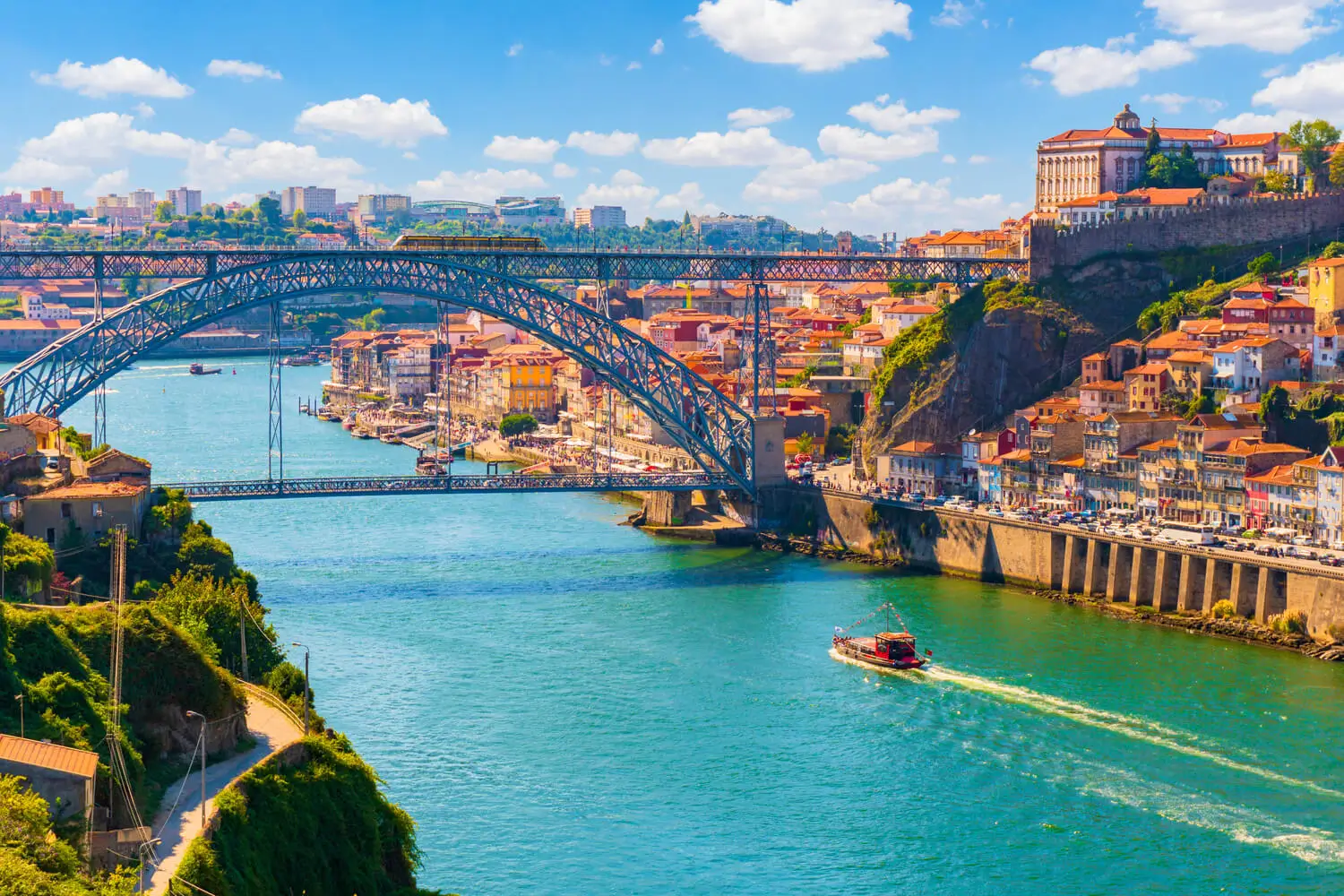
The Ribeira waterfront, a UNESCO World Heritage Site, frames the Douro River with colorful tile-fronted buildings, port wine cellars just across the bridge in Vila Nova de Gaia, and a daily rhythm that feels genuinely unhurried. The Foz do Douro neighborhood, where the river meets the Atlantic, offers long beach walks, excellent seafood, and cool ocean breezes even in summer.
Porto’s creative scene has exploded in recent years. The Bombarda corridor is packed with independent galleries and concept stores, and the city’s coworking infrastructure, while smaller than Lisbon’s, is excellent quality. A month here will feel far too short.
Slow Travel Tip: Take the train to Douro Valley for a day of wine tasting along the river. This is one of the world’s great wine-producing landscapes and is just over an hour from Porto’s Sao Bento station.
Check out our plans
-
Portugal 10 Days Unlimited Data
USD 30.00 -
Portugal 3 Days Unlimited Data
USD 10.00 -
Portugal 30 days 25GB
USD 20.00 -
Portugal 20 Days Unlimited Data
USD 50.00
6. Hoi An, Vietnam
Best For: Solo travelers, couples, culture seekers
Average Monthly Budget: USD 700 to USD 1,400
Visa Situation: Vietnam offers an e-visa for 90 days to most nationalities, renewable in-country

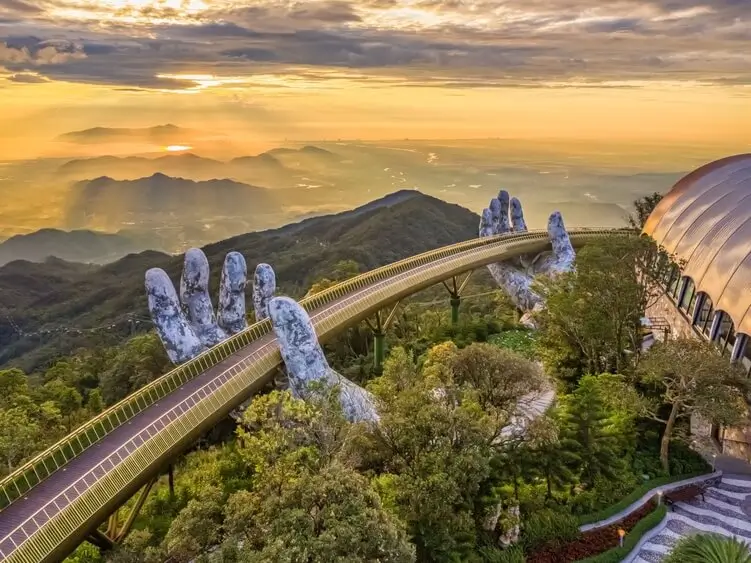
Hoi An is, quite simply, one of the most beautiful small cities in Asia. Its ancient town, another UNESCO World Heritage Site, is a preserved masterpiece of trading-port architecture with Japanese covered bridges, Chinese merchant houses, and Vietnamese street food that is widely considered the best in the country.
For slow travel, Hoi An has a unique advantage: its compact size. Everything worth experiencing is walkable or a short bicycle ride away. The beach at An Bang is just four kilometers from the old town and offers a completely different, more relaxed atmosphere with beachfront restaurants and far fewer crowds than Da Nang’s busier shores.
The cost of living is genuinely exceptional. A well-appointed apartment or long-stay guesthouse room can be had for USD 200 to USD 350 per month, meals cost USD 1 to USD 3 at local restaurants, and fresh produce from the Central Market is some of the finest you will taste anywhere in Southeast Asia.
Slow Travel Tip: Take a Vietnamese cooking class in your first week. Hoi An is famous for its cooking schools, and learning to make White Rose dumplings or Cao Lau noodles will deepen your relationship with the city’s food culture throughout your stay.
Check out our plans
-
Vietnam 10 Days Unlimited
USD 30.00 -
Vietnam 15 Days 8GB
USD 12.00 -
Vietnam 3 Days Unlimited
USD 10.00 -
Vietnam 7 Days 5GB
USD 8.00 -
Vietnam 20 Days Unlimited
USD 50.00 -
Vietnam 30 Days 15GB
USD 18.00
7. Valencia, Spain
Best For: Food lovers, outdoor enthusiasts, families
Average Monthly Budget: USD 1,800 to USD 2,800
Visa Situation: EU citizens stay freely; non-EU travelers should explore Spain’s Digital Nomad Visa or Non-Lucrative Visa depending on circumstances

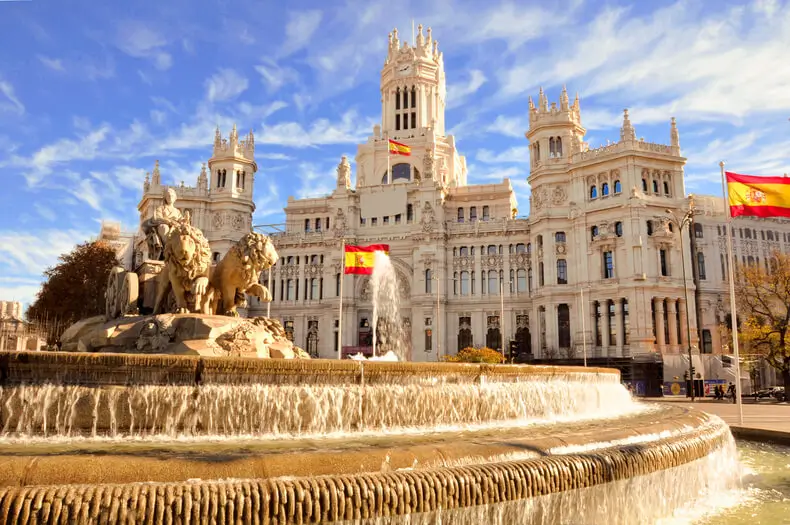
Valencia is the argument that Europe’s slow travel sweet spot does not have to mean grey skies and cramped apartments. Spain’s third-largest city sits on the Mediterranean coast with over 300 days of sunshine per year, a 6-kilometer beach right in the city, and a food culture so distinctive and proud that it gave the world paella.
The city moves at a pace that tourists often mistake for laziness but residents know it is simply civilization working correctly. Lunch is the main meal of the day, taken slowly between 2 pm and 4 pm. Dinner does not start until 9 pm at the earliest. The Mercado Central, one of Europe’s finest fresh food markets, operates in a stunning modernist building that has anchored city life for over a century.
For a month-long stay, neighborhoods like Ruzafa, Benimaclet, and the Cabanyal fishing district offer the most authentic daily-life experience. Public transport is excellent and affordable, beaches are accessible by bicycle along dedicated cycling paths, and the City of Arts and Sciences complex provides world-class cultural programming year-round.
Slow Travel Tip: Get a VLC card for public transit and a bicycle membership with Valenbisi, the city’s bike-sharing system. Between the two, you can cover the entire city for about USD 30 per month.
Check out our plans
-
Spain 15 days 8GB
USD 9.00 -
Spain 3 Days Unlimited Data
USD 9.00 -
Spain 30 days 25GB
USD 23.00 -
Spain 20 Days Unlimited Data
USD 46.00 -
Spain 10 Days Unlimited Data
USD 27.00
8. Oaxaca, Mexico
Best For: Culture seekers, food lovers, artists
Average Monthly Budget: USD 1,000 to USD 1,800
Visa Situation: Most nationalities receive a 180-day tourist entry stamp on arrival

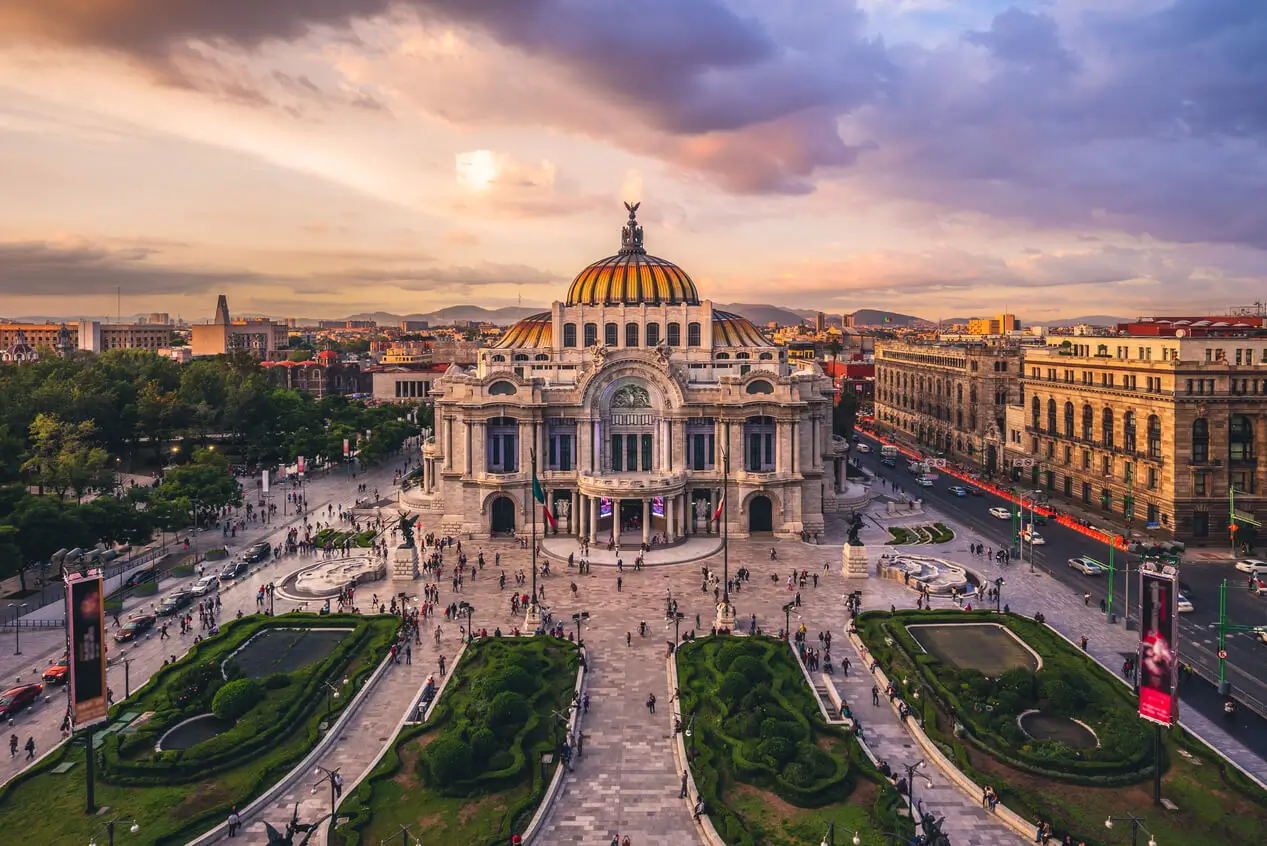
Oaxaca is the kind of city that travelers visit for a week and end up extending their stay by a month. Located in southern Mexico at 1,500 meters elevation, the city combines an extraordinary pre-Columbian indigenous heritage with one of the world’s most celebrated food cultures in an intimate, walkable colonial center that glows gold in the evening light.
The street food scene alone justifies a month-long commitment. Tlayudas, mole negro, memelas, chapulines (roasted grasshoppers), and the local specialty of chocolate-infused everything are just the beginning. The weekly markets at Tlacolula and Zaachila draw indigenous Zapotec vendors from across the valley with produce, textiles, and handicrafts that represent living traditions stretching back thousands of years.
Oaxaca’s arts scene is equally world-class. The city is home to a remarkable concentration of galleries, artisan workshops specializing in Alebrijes (painted wooden animals), black clay pottery, and hand-woven rugs, and an annual cultural festival calendar that rivals cities ten times its size.
Slow Travel Tip: Rent a bicycle or a scooter for a day and explore the archaeological sites of Monte Alban and Mitla independently. They are among the finest pre-Columbian ruins in all of Mexico and are easily accessible from the city center.
Check out our plans
-
Mexico 10 Days Unlimited
USD 29.00 -
Mexico 3 Days Unlimited
USD 12.00 -
Mexico 7 Days Unlimited
USD 22.00
9. Ljubljana, Slovenia
Best For: Nature lovers, sustainable travelers, city explorers
Average Monthly Budget: USD 1,600 to USD 2,400
Visa Situation: EU citizens stay freely; non-EU travelers are subject to Schengen Zone rules (90 days in any 180-day period)

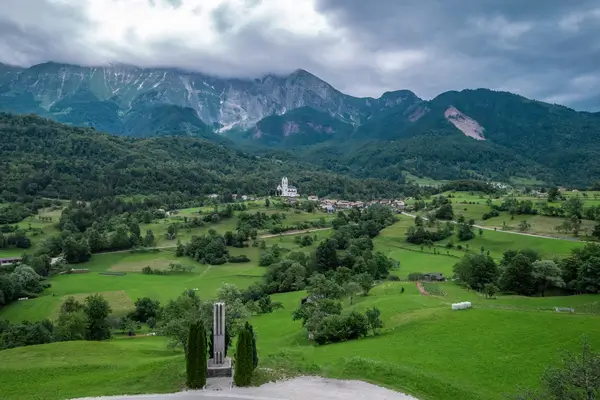
Ljubljana is the European city that most slow travelers have not yet discovered, which makes right now the perfect time to go. Slovenia’s compact, car-free capital sits between the Alps and the Adriatic with a castle on the hill, a river curving gently through the center, and a commitment to sustainability and quality of life that has made it one of the greenest capitals in Europe.
The old town is entirely pedestrianized, making daily life a genuine pleasure of unhurried walks between the covered market, independent bookshops, and the city’s excellent cafe culture. Lake Bled, arguably the most photographed scene in all of Slovenia, is just 55 kilometers from the city center and makes for an extraordinary weekend trip.
What sets Ljubljana apart for slow travel is the sheer efficiency and quality of everyday life. Public services work reliably, English is widely spoken, healthcare is excellent, and the surrounding countryside offers hiking, cycling, wine tasting in the Vipava Valley, and sea access along Slovenia’s short but gorgeous Adriatic coastline.
Slow Travel Tip: Visit the open-air Central Market on a Saturday morning and assemble a picnic of local cheeses, charcuterie, freshly baked bread, and seasonal produce. The banks of the Ljubljanica River provide a perfect setting.
Check out our plans
-
Slovenia 10 Days Unlimited
USD 17.00 -
Slovenia 3 Days Unlimited Data
USD 6.00 -
Slovenia 7 Days 5GB
USD 9.00 -
Slovenia 7 Days Unlimited Data
USD 13.00 -
Slovenia 30 Days Unlimited
USD 39.00 -
Slovenia 20 Days Unlimited
USD 29.00
How to Stay Connected Across All 9 Cities?
One of the most common anxieties among first-time slow travelers is connectivity. Whether you are working remotely from a Tbilisi apartment, navigating the backstreets of Hoi An without a data plan, or trying to video call home from a Medellin cafe, reliable mobile data is the invisible infrastructure that holds the slow travel lifestyle together.
This is exactly where a Voye Global eSIM makes an enormous practical difference. Rather than buying a local SIM card in each country, negotiating contracts in foreign languages, and potentially losing your home number in the process, Voye gives you a single digital SIM solution that works across all the countries on this list and 130 more besides.
Key advantages for slow travelers specifically:
- Instant Activation: Download your eSIM before departure, scan the QR code, and you are live the moment your plane lands. No queues at the airport kiosk, no hunting for a phone shop in an unfamiliar city.
- Long-Validity Plans: Voye offers plans valid for up to 365 days, which means a committed slow traveler spending three or four months abroad can stay covered on a single plan rather than repeatedly purchasing new ones.
- 30-Day Plans Built for Monthly Stays: The 30GB plan valid for 30 days is perfectly structured for the month-long stay model. It provides sufficient data for remote work, navigation, streaming, and communication without the stress of constantly monitoring a limited data allowance.
- Hotspot Access on Every Plan: Every Voye plan includes full hotspot tethering, which means you can also connect your laptop or tablet to your phone’s connection, invaluable for anyone working remotely from rented apartments or cafes with unreliable WiFi.
- No SIM Swapping: Because eSIM is entirely digital, your physical SIM slot remains free for a local number if you choose to add one, and you can switch between your Voye plan and local data with no hardware required.
Quick Comparison: 9 Cities for Slow Travel in 2026
| City | Country | Monthly Budget (USD) | Visa-Free Entry | Best Season |
|---|---|---|---|---|
| Lisbon | Portugal | 1,800 to 2,800 | EU + D8 Visa | Sep to Nov |
| Chiang Mai | Thailand | 900 to 1,600 | 60-day tourist | Nov to Feb |
| Medellin | Colombia | 1,000 to 2,000 | 90 days (most) | Dec to Mar |
| Tbilisi | Georgia | 800 to 1,500 | Up to 365 days | May to Oct |
| Porto | Portugal | 1,500 to 2,500 | EU + D8 Visa | Sep to Nov |
| Hoi An | Vietnam | 700 to 1,400 | 90-day e-visa | Feb to May |
| Valencia | Spain | 1,800 to 2,800 | EU + Nomad Visa | Mar to Jun |
| Oaxaca | Mexico | 1,000 to 1,800 | 180-day stamp | Oct to Apr |
| Ljubljana | Slovenia | 1,600 to 2,400 | Schengen 90 days | May to Sep |
Final Thoughts: Choose Depth Over Distance
The most transformative travel experiences are rarely the result of covering the most ground. They come from the morning you find your favorite bakery in a foreign city, the evening you stumble into a neighborhood festival no guidebook mentioned, or the conversation you have with a local shopkeeper on your third week, when they finally start treating you as a regular rather than a tourist.
Slow travel requires a shift in mindset. It asks you to resist the compulsion to see everything and instead commit to seeing something properly. The nine cities in this guide are built for exactly that kind of experience. Each one rewards time, patience, and genuine curiosity.
Pack light, stay long, arrive connected, and give yourself the gift of a place rather than just a passport stamp.
Frequently Asked Questions
What is slow travel?
Slow travel is the practice of spending an extended period, typically two weeks to several months, in a single destination rather than moving quickly between multiple locations. The focus is on quality of experience over the quantity of places visited.
How much money do I need for a month of slow travel?
It depends heavily on your destination. Southeast Asian cities like Chiang Mai or Hoi An can be experienced comfortably for under USD 1,500 per month including accommodation, food, and activities. European cities like Lisbon or Valencia typically require USD 2,000 to USD 2,800 for a comfortable month-long stay.
Do I need a special visa for a month-long stay abroad?
Many countries offer visa-free stays of 30 to 90 days for holders of strong passports. Georgia is particularly exceptional at 365 days visa-free for most nationalities. Always verify the specific requirements for your passport at the relevant embassy or official government website before you travel.
What is the best eSIM for slow travel?
Voye Global is an excellent choice for slow travelers due to its coverage across 130+ countries, long-validity plans of up to 365 days, full hotspot access on all plans, and competitive pricing. You can activate it before departure and have data ready from the moment you land.
Can I work remotely while slow traveling?
Yes. All nine cities on this list have strong coworking infrastructure, reliable internet, and time zones that are workable for remote professionals based in Europe or the Americas. A Voye Global eSIM ensures you have backup connectivity even when coworking space WiFi is unreliable.

Seamless Mobile Data Everywhere










 English