



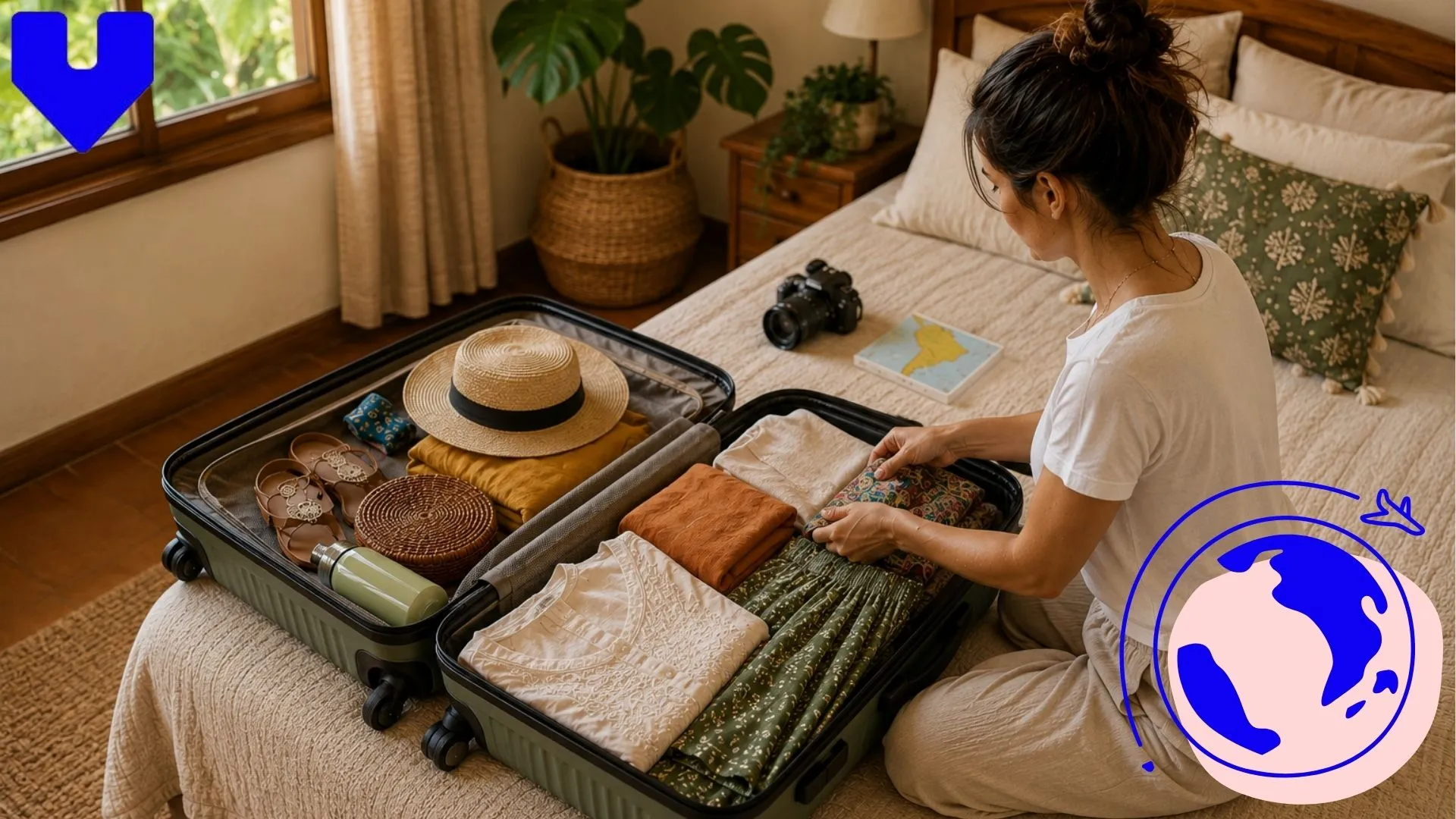
Quick Answer: What to Pack for Sri Lanka?
At minimum, pack lightweight breathable clothing, a scarf or sarong for temple visits, grippy sandals plus closed shoes for hikes, a compact rain jacket, mosquito repellent, and one light layer for the hills. Sri Lanka’s climate is tropical nearly everywhere except Nuwara Eliya and Ella, which run noticeably cooler.
Clothing for Heat, Humidity and Temple Modesty
Sri Lanka sits close to the equator, so daytime temperatures on the coast and in Colombo usually hover between 27 and 33°C (80 to 91°F) year-round, with humidity that makes it feel warmer. Cotton and linen breathe far better than synthetic fabrics here.
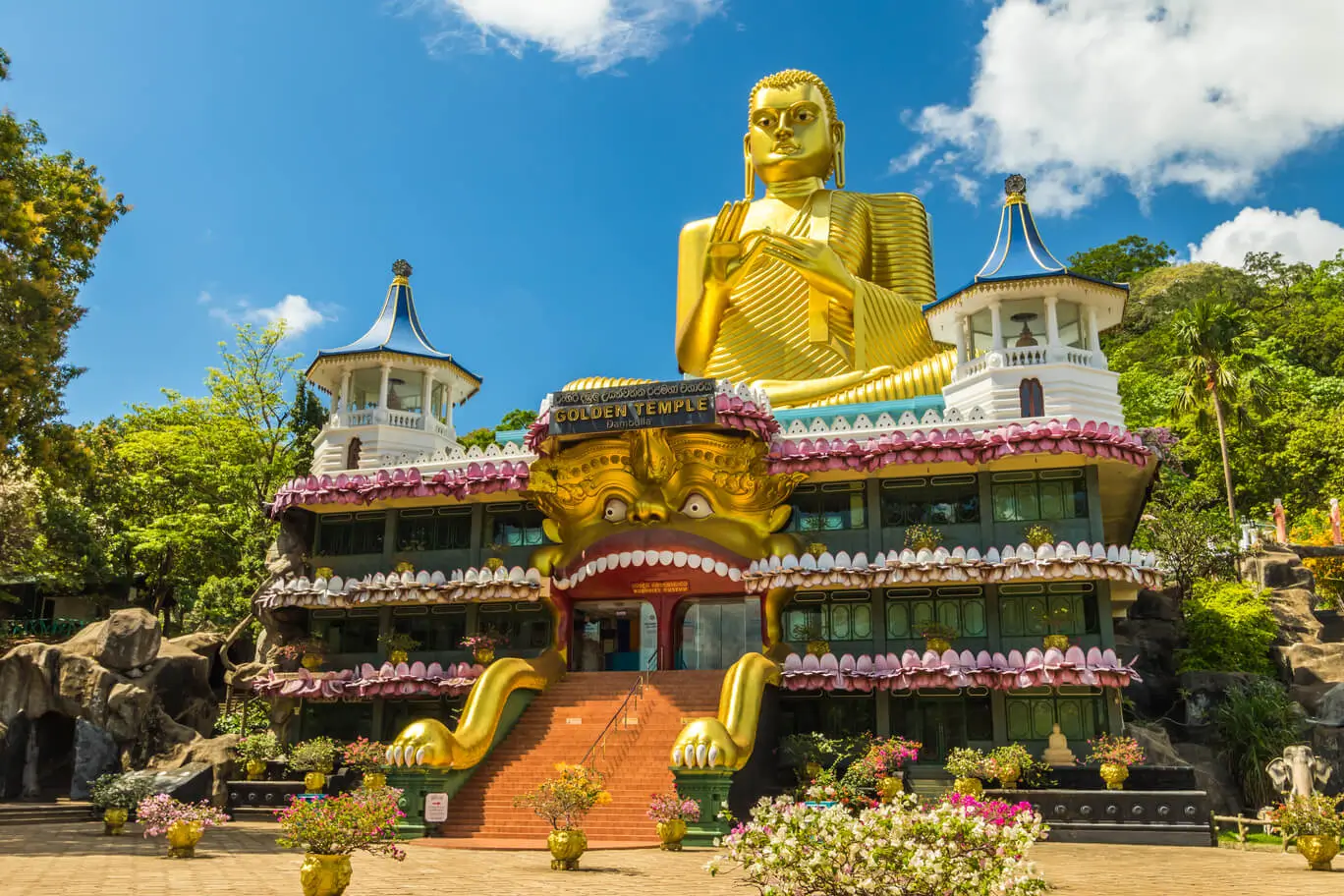
But modesty rules matter just as much as comfort. Temples like the Temple of the Tooth in Kandy, Dambulla Cave Temple, and Sigiriya’s surrounding shrines require shoulders and knees to be covered, for both men and women.
What to pack:
- 5 to 7 lightweight breathable tops (cotton or linen blends)
- 2 to 3 pairs of loose trousers or long skirts for temples
- A sarong or large scarf, useful as an instant temple cover-up, beach towel, or train blanket
- 1 to 2 modest swimsuits for beach towns like Unawatuna or Mirissa
- A lightweight, quick-dry outfit for humid days in Colombo or Galle
Shorts are fine on beaches and in casual towns, but pack at least one pair of knee-length shorts or trousers you can switch into before entering a temple compound.
Stay Connected Across the Island
Get mobile data ready before you land in Colombo, Kandy, or Ella
Footwear for Beaches, Hikes and Ancient Ruins
You’ll be barefoot more often than you expect. Most temples, including Sigiriya’s base shrines and Kandy’s Temple of the Tooth, require shoes off before entering, and the stone or marble floors can get scorching hot at midday.
Pack:
- Slip-on sandals for temples and beach walking, easy on and off
- A pair of closed, grippy sneakers or light hiking shoes for climbing Sigiriya Rock, Adam’s Peak, or Ella’s Little Adam’s Peak
- Flip-flops for guesthouses and showers
- Thin socks if you’re tackling Adam’s Peak’s early morning climb; temperatures near the summit drop enough to matter
Rain Gear for Monsoon Season
Sri Lanka actually has two monsoon seasons that hit different coasts at different times. The southwest monsoon runs roughly May to September and soaks the west and south coasts, while the northeast monsoon brings rain to the east coast and Cultural Triangle from October to January. Rain can appear even outside these windows, so don’t skip this section regardless of when you travel.
Pack:
- A compact, packable rain jacket rather than a bulky umbrella-only setup
- A small dry bag or waterproof pouch for your phone and passport
- Quick-dry clothing that won’t stay damp for days in humid air
- A foldable umbrella as backup, useful for sudden downpours in cities
Local sudden showers tend to pass within 30 to 60 minutes, so you rarely need full waterproof gear, but keeping electronics dry matters more here than almost anywhere else on the itinerary.
Check out our plans
-
Sri Lanka 3 Days Unlimited
USD 6.00 -
Sri Lanka 7 Days Unlimited
USD 13.00 -
Sri Lanka 7 Days 5GB
USD 15.00 -
Sri Lanka 10 Days Unlimited
USD 17.00 -
Sri Lanka 15 Days Unlimited
USD 23.00 -
Sri Lanka 15 Days 8GB
USD 29.00
Health and Insect Protection Essentials
Mosquitoes are active from dusk onward island-wide, particularly near Yala National Park, Sigiriya, and coastal lagoons. Combine repellent with light long sleeves in the evening rather than relying on one method alone.
Pack:
- DEET-based insect repellent (30% or higher) for evenings and jungle areas
- Reef-safe sunscreen, SPF 30 or higher, since the equatorial sun burns fast even on cloudy days
- A basic first-aid kit with rehydration salts, antidiarrheal medication, and any prescription medication in original packaging
- Hand sanitizer and a reusable water bottle with a filter, useful since tap water isn’t recommended for drinking
- A wide-brim hat for temple and ruin visits, where shade is often limited
Hill Country Layer: Why Do You Need a Light Jacket?
Ela and Nuwara Eliya sit at elevations above 1,800 meters, and temperatures there can drop to 10 to 15°C (50 to 59°F) at night, a sharp contrast to the coast just hours away by train. Travelers who plan around the coastal heat often show up underdressed for this stretch.
Pack one light fleece or windproof jacket, plus a pair of long trousers you’re not already using elsewhere in your bag. If you’re riding the scenic train between hill towns, our Kandy to Ella train guide covers what the journey looks like and what to expect along the way, worth a read before you plan your route.
Tech and Documents Checklist
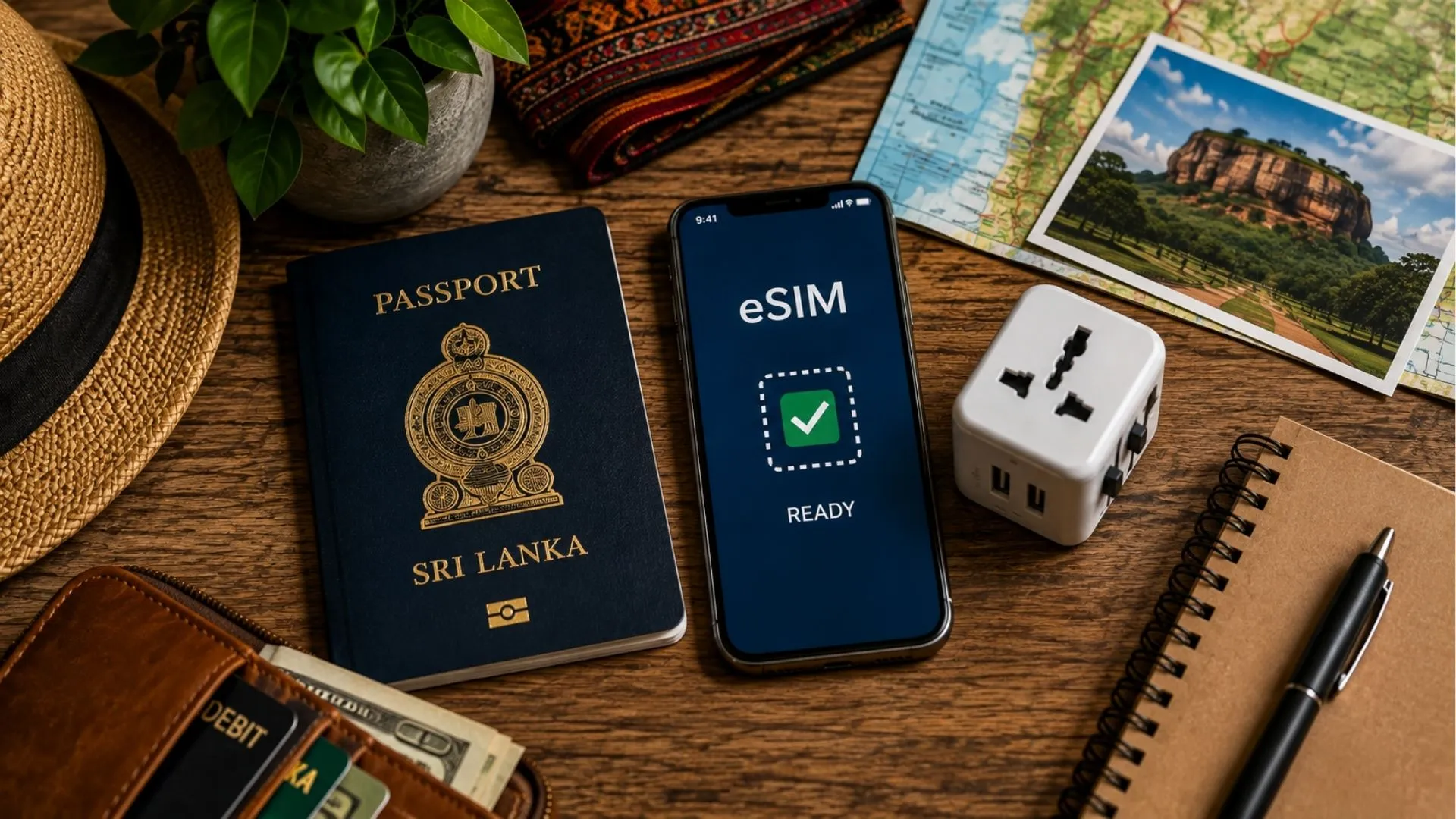
Passport, adapter, and phone with eSIM ready for travel to Sri Lanka
Beyond clothes, a short list of essentials keeps the trip running smoothly:
- Passport with at least six months’ validity, plus your Sri Lanka ETA (electronic travel authorization) confirmation
- Universal travel adapter; Sri Lanka uses type D, G, and M sockets depending on the building
- Portable power bank, useful on long train rides where outlets are scarce
- Printed or downloaded copies of hotel bookings and your itinerary in case of patchy signal in rural areas
- A working data plan set up before landing, so you’re not hunting for WiFi at the airport
Mobile coverage across Sri Lanka is generally solid in cities and tourist areas but gets patchy in the hill country and national parks. Setting up an eSIM from Voye Global before you fly means you land already connected, useful for maps on the Kandy-Ella train, ride-hailing apps in Colombo, and staying in touch if your itinerary changes. If you want a full walkthrough, our guide to the best eSIM for Sri Lanka breaks down coverage and plan options.
If you’re building out your itinerary alongside your packing list, our Sri Lanka travel guide and Sri Lanka itinerary and travel tips cover routes, food, and stays worth planning around.
Pack Smart, Travel Lighter
Skip roaming fees and set up instant data for your whole trip
Packing List Summary Table
| Category | What to Pack | Why It Matters |
|---|---|---|
| Clothing | Cotton/linen tops, modest trousers, sarong | Handles heat and temple dress codes |
| Footwear | Sandals, closed sneakers, flip-flops | Covers temples, hikes, and beaches |
| Rain gear | Packable jacket, dry bag, umbrella | Monsoon rain hits different coasts by season |
| Health | Repellent, sunscreen, first-aid basics | Protects against mosquitoes and strong sun |
| Hill country | Light jacket, long trousers | Ella and Nuwara Eliya run much cooler |
| Tech & documents | Adapter, power bank, eSIM, ETA copy | Keeps you connected and organized on arrival |
A well-planned packing list makes the shift between Sri Lanka’s climates feel effortless instead of stressful. Pack breathable layers for the coast, modest cover-ups for temples, real footwear for the ruins, and one warm layer for the hills, and you’ll be ready for whatever the island throws at you next. Before you check that bag closed, run through our eSIM checklist for international travel so connectivity is one less thing to sort out after you land.
Frequently Asked Questions
Wear lightweight, breathable clothing like cotton or linen, with loose trousers, skirts, or dresses that cover the knees. Pack a scarf or sarong for temple visits, comfortable sandals for beaches, and closed shoes for hikes around ruins and hill country trails.
Avoid tight, revealing, or see-through clothing in public areas, and never wear shorts, sleeveless tops, or swimwear inside temples. Skip clothing with Buddha imagery too, as it’s considered disrespectful and is discouraged in many parts of the country.
General dress is casual and modest, with shoulders and knees covered in temples, religious sites, and rural towns. Beach areas and tourist hubs like Colombo and Galle are more relaxed, but a what-to-pack-for-Sri-Lanka plan should always include one modest, temple-ready outfit.
Yes, shoulders should be covered when visiting temples, shrines, and other religious sites across the island. A lightweight scarf or shawl works well since it can be added quickly at the entrance and removed once you’re back outside in beach or city areas.
There’s no strict clothing law for tourists, but wearing swimwear inside temples or clothing that mocks or disrespects Buddha imagery is culturally offensive and can lead to being turned away. Tattoos of Buddha have also caused entry issues at some sites in the past.
For a week to ten days, pack 5 to 7 tops, 2 to 3 bottoms, one temple-appropriate outfit, and a swimsuit, then plan to do laundry locally. Humidity means clothes won’t stay fresh long, so lighter packing with quick-dry fabrics works better than overpacking.
Slip-on sandals are ideal since temples require shoes off frequently, while closed sneakers or light hiking shoes are essential for climbing Sigiriya Rock or Adam’s Peak. Pack flip-flops for guesthouses too, rounding out a practical three-shoe rotation for the whole trip.
Shorts are fine on beaches and in casual tourist towns, but they’re not accepted inside temples, shrines, or other religious sites. Pack at least one pair of knee-length shorts or trousers you can switch into before entering a temple compound.

Seamless Mobile Data Everywhere













 English