




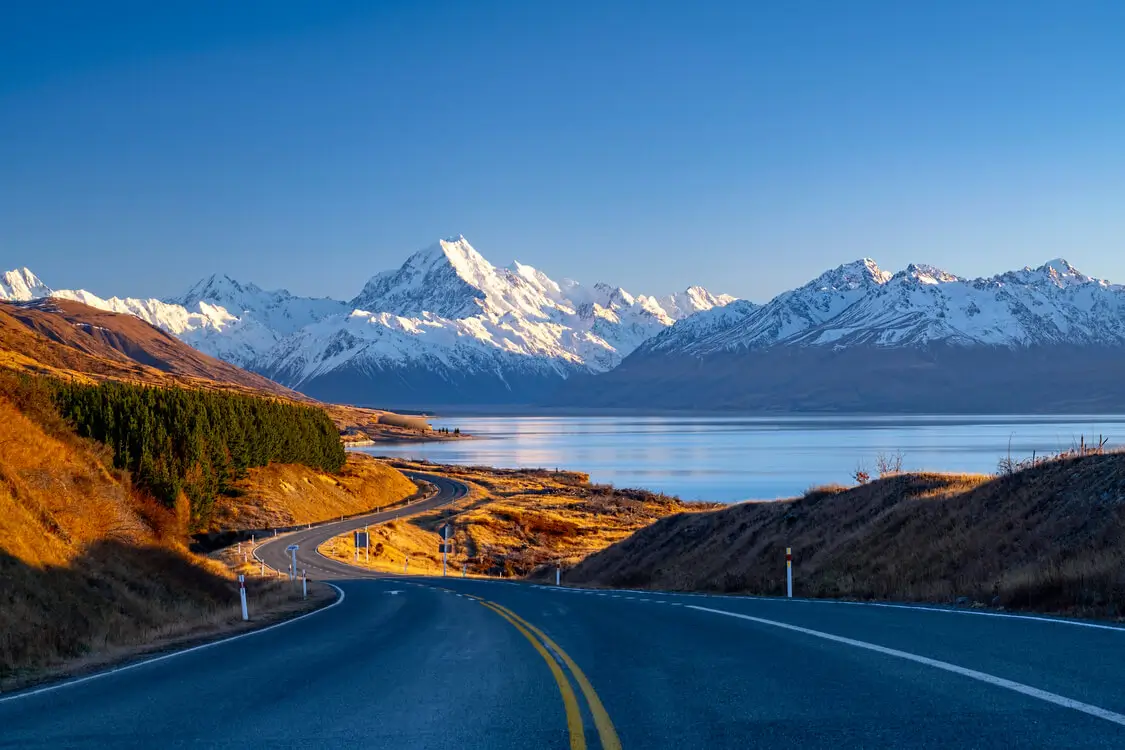
Planning a trip to New Zealand is a dream for many travelers, and for good reason. From breathtaking alpine landscapes and pristine beaches to vibrant cities and rich Maori culture, the country offers a wide range of experiences that cater to every kind of traveler. However, one of the first questions that comes to mind when organizing such a journey is the cost. Understanding how much a trip to New Zealand will cost can help you plan better and avoid unexpected expenses along the way.
The truth is, the cost of traveling to New Zealand varies significantly depending on your travel style, preferences, and the time of year you visit. Whether you are a budget backpacker, a mid-range traveler, or someone seeking a luxury escape, New Zealand can accommodate your needs. In this guide, we break down the expected costs, provide practical budgeting tips, and help you create a realistic travel plan that aligns with your financial expectations.
Average Cost of a Trip to New Zealand
A typical two-week trip to New Zealand generally ranges between $2,500 and $5,000+ USD per person, excluding international flights. This estimate depends heavily on your travel style, accommodation choices, transportation preferences, and activities.
Stay Connected New Zealand
Reliable data for maps, bookings, and travel updates anytime.
On average, daily expenses come to about NZD 330 or roughly $200 USD per person for a mid-range experience. This includes accommodation, meals, transportation, and some activities. Travelers on a tighter budget can spend less, while those seeking luxury can easily exceed this range. Understanding these baseline figures gives you a solid starting point for planning your travel budget.
Before you arrive, most international travelers must account for the International Visitor Conservation and Tourism Levy (IVL) and the NZeTA (Electronic Travel Authority). As of 2024/2025, the IVL increased to NZD 100. Combined with the NZeTA fee (NZD 17–23), you should budget approximately NZD 120 per person for entry alone. These must be paid online or via the mobile app before you depart for New Zealand.
Daily Budget Breakdown for Travelers
Your daily expenses in New Zealand can vary widely depending on your travel style. Here is a general breakdown to help you understand what to expect.
Budget Travelers
If you are traveling on a tight budget, you can expect to spend between NZD 100 and NZD 150 per day. This includes staying in hostels or dormitories, cooking your own meals, and using public transportation or budget-friendly rental options.
Mid-Range Travelers
For a more comfortable experience, mid-range travelers typically spend between NZD 250 and NZD 450 per day. This allows for private accommodation such as motels or Airbnbs, dining out occasionally, renting a car, and participating in guided tours or activities.
Luxury Travelers
Luxury travel in New Zealand starts at NZD 500 per day and can go significantly higher. This includes staying in high-end hotels, enjoying fine dining, booking private tours, and indulging in premium experiences like helicopter rides or exclusive excursions.
Accommodation Costs in New Zealand
Accommodation is one of the biggest expenses during your trip. The cost varies depending on the type of stay you choose and the season.
Hostels are the most affordable option, with dorm beds ranging from NZD 25 to NZD 45 per night. Private rooms in hostels cost more but still remain budget-friendly.
Mid-range travelers can expect to pay between NZD 150 and NZD 200 per night for a decent hotel room or private rental. These accommodations often offer more comfort and privacy, making them a popular choice.
Luxury accommodations, including boutique hotels and resorts, can cost NZD 300 or more per night. These properties often provide stunning views, premium amenities, and exceptional service.
Booking your accommodation in advance, especially during peak travel seasons, can help you secure better rates and availability.
Check out our plans
-
New Zealand 7 days 5 GB
USD 9.00 -
New Zealand 15 days 8GB
USD 15.00 -
New Zealand 30 days 15GB
USD 23.00 -
New Zealand 30 days 25GB
USD 34.00
Transportation Costs and Getting Around
Transportation in New Zealand is another major cost factor. The country’s stunning landscapes make road trips extremely popular, but they come with associated expenses.
Rental cars typically cost NZD 110 to NZD 150 per day for a standard vehicle during peak season. It is also important to budget for “one-way fees” – often ranging from NZD 150 to NZD 300 – if you plan to pick up a car in one city and drop it off in another. Fuel prices remain high, so renting a car offers the most flexibility but remains one of the largest expenses for independent travelers.
Campervans are another popular option, especially among adventurous travelers. While they can be cost-effective for accommodation and transportation combined, prices fluctuate depending on demand and season.
Public transportation is available in major cities but is limited in rural areas. Buses are a budget-friendly option for traveling between cities, though they may not offer the same convenience as a rental car.
Domestic flights can also be considered if you are traveling between the North and South Islands, saving time but adding to your expenses.
Cost of Food and Dining
Food costs in New Zealand can vary depending on how often you eat out versus cooking your own meals. On average, travelers spend around NZD 50 or more per day on food.
Budget travelers can save money by shopping at supermarkets and preparing their own meals. Many hostels and accommodations provide kitchen facilities, making this a practical option.
Eating out at casual restaurants typically costs between NZD 25 and NZD 40 per meal. For a mid-range dining experience, including a main course and a drink, expect to pay between NZD 50 and NZD 80 per person, while fine dining at premier lodges or city restaurants can easily exceed NZD 120.
Trying local cuisine is an essential part of the travel experience, so it is worth allocating a portion of your budget for dining out.
Activities and Experiences
New Zealand is known for its wide range of activities, from outdoor adventures to cultural experiences. These activities can significantly impact your overall budget.
Popular activities such as boat tours and adventure sports typically cost between NZD 150 and NZD 500. Major “bucket-list” items like glacier heli-hikes now range from NZD 650 to NZD 800, and many of the famous Great Walks (like the Milford Track) now implement differential pricing, where international visitors pay higher hut fees than residents – often around NZD 110–150 per night.
However, one of the best aspects of New Zealand is the abundance of free or low-cost activities. Hiking trails, beaches, scenic viewpoints, and national parks offer incredible experiences without a hefty price tag.
Balancing paid activities with free experiences can help you stay within your budget while still enjoying everything the country has to offer.
Travel Easy in New Zealand
Seamless internet for exploring cities and remote scenic spots.
Best Time to Visit and Its Impact on Cost
The time of year you visit New Zealand plays a significant role in determining your travel costs.
The peak season runs from December to February, which is summer in New Zealand. During this time, prices for accommodation, flights, and rental vehicles are at their highest due to increased demand.
The shoulder seasons, from March to April and September to November, offer better value. During these months, you can enjoy pleasant weather, fewer crowds, and more affordable prices.
Traveling during the off-season can lead to significant savings, though some activities and attractions may have limited availability.
Money Saving Tips for Traveling to New Zealand
If you want to make the most of your budget, consider these practical tips.
Travel during shoulder seasons for lower prices and fewer crowds.
Book accommodation and transportation well in advance.
Use supermarket options and cook your own meals when possible.
Take advantage of free outdoor activities like hiking and sightseeing.
Consider shared transportation or group tours to reduce costs.
Implementing these strategies can help you stretch your budget without compromising your experience.
Connectivity and Travel Convenience
Staying connected while traveling is essential for navigation, bookings, and communication. Using an eSIM in New Zealand is a convenient way to access mobile data without the hassle of physical SIM cards. Many travelers now prefer digital solutions by Voye Global to ensure seamless connectivity throughout their trip. Having reliable internet access can also help you find deals, manage reservations, and stay informed during your journey in New Zealand.
Is New Zealand Worth the Cost?

New Zealand is often considered an expensive destination, but the value it offers makes it worth every dollar. The country’s natural beauty, diverse landscapes, and unique experiences create memories that last a lifetime.
Whether you are exploring fjords, hiking through national parks, or experiencing local culture, the quality of experiences justifies the cost. Careful planning and budgeting can help you enjoy a fulfilling trip without overspending.
Conclusion
Traveling to New Zealand requires thoughtful planning, especially when it comes to budgeting. While costs can vary depending on your travel style and preferences, having a clear understanding of expenses helps you make informed decisions. From accommodation and transportation to food and activities, each element contributes to your overall travel budget.
Ultimately, a trip to New Zealand is an investment in unforgettable experiences. By choosing the right time to visit, managing your expenses wisely, and balancing comfort with affordability, you can create a journey that fits your budget while still enjoying the best that this incredible destination has to offer.

Seamless Mobile Data Everywhere









 English