




New Zealand has become one of the most desired travel destinations for Americans who want a mix of adventure, breathtaking scenery, and a relaxed lifestyle. From the snow-covered mountains of the South Island to the lively streets of Auckland, the country offers experiences that feel straight out of a movie. However, one question often comes up before booking flights and planning an itinerary: Is New Zealand expensive for Americans?
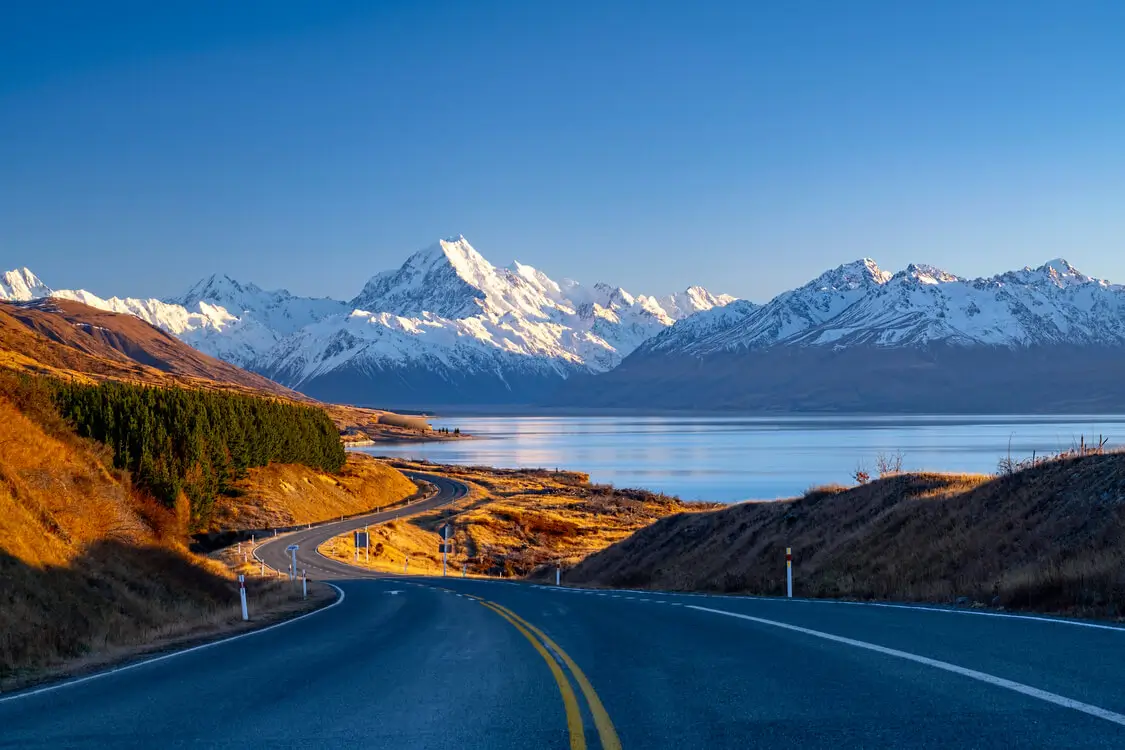
The short answer is yes, New Zealand can feel expensive for many American travelers, especially when compared to certain parts of the United States. Flights, accommodation, transportation, and dining costs can quickly add up. At the same time, there are also areas where visitors may find better value than expected. Free natural attractions, no tipping culture, and affordable public spaces can balance some of the higher expenses. Understanding where your money goes can help you prepare a realistic budget and enjoy your trip without stress.
Understanding the Cost of Travel in New Zealand
For Americans planning a trip to New Zealand, airfare is usually the first major expense. Since New Zealand is located far from the United States, long-haul flights are rarely cheap. Depending on the season, round-trip airfare from major US cities can range from moderate to very expensive. Peak travel months such as December and January often come with higher ticket prices because of summer tourism in New Zealand.
Stay Connected Across New Zealand
Enjoy reliable travel data while exploring cities, mountains, and scenic routes.
After arriving, many travelers notice that daily costs can also feel higher than expected. Hotels, rental cars, and tourist activities often cost more than comparable services in the United States. Imported goods are expensive because New Zealand is geographically isolated, which affects everything from groceries to electronics.
Still, Americans who plan carefully can manage expenses effectively. Budget travelers often save money by staying in hostels, cooking meals, and exploring free outdoor attractions. Luxury travelers, on the other hand, may spend significantly more due to premium accommodations and adventure activities.
Why New Zealand Feels Expensive?
There are several reasons why New Zealand appears costly to visitors from the United States.
First, the country relies heavily on imported products. Shipping items to a remote island nation increases costs, and those expenses are reflected in retail prices. Everyday items such as clothing, electronics, and packaged foods may seem noticeably more expensive compared to American stores.
Second, wages and operational costs are relatively high. Restaurants, hotels, and tourism companies factor labor expenses into their pricing. This means travelers often pay more for services.
Third, tourism plays a major role in New Zealand’s economy. Popular destinations such as Queenstown and Rotorua are built around tourism, so pricing is often designed for international visitors.
Even though prices may initially seem high, many travelers feel the experiences justify the expense. Hiking through national parks, seeing crystal clear lakes, and exploring unique Maori culture create memories that many consider priceless.
Accommodation Costs Across New Zealand
Accommodation is one of the biggest travel expenses in New Zealand. Prices vary depending on the region, season, and type of stay.
In major cities such as Auckland and Wellington, hotels can be expensive, especially in central locations. Mid-range hotels often cost more than similar options in many American cities. Luxury properties and waterfront accommodations can raise the budget even further.
However, travelers can still find affordable choices. Hostels are popular across New Zealand and are known for being clean and well-maintained. Holiday parks also provide budget-friendly cabins and camping facilities.
Airbnb-style accommodations are common in both cities and rural areas. Renting apartments or private homes can help groups and families save money on both lodging and food.
For travelers exploring multiple regions, campervan travel has become extremely popular. While renting a campervan requires an upfront investment, it combines transportation and accommodation into one expense. Many Americans find this option both adventurous and practical.
Check out our plans
-
New Zealand 7 days 5 GB
USD 9.00 -
New Zealand 15 days 8GB
USD 15.00 -
New Zealand 30 days 15GB
USD 23.00 -
New Zealand 30 days 25GB
USD 34.00
Transportation Expenses for Americans
Transportation costs in New Zealand can surprise American visitors. Public transportation exists in major cities, but many travelers prefer renting a car to explore the country fully.
Rental car prices vary by season, but fuel is where Americans will notice the biggest difference. New Zealand sells “petrol” by the liter rather than the gallon. With roughly 3.78 liters in a US gallon, a pump price that looks “low” can actually equate to over $8.00 or $9.00 USD per gallon. Budgeting for fuel is essential for those planning a long-distance road trip across the North and South Islands.
Road trips remain one of the best ways to experience New Zealand. Scenic drives through mountains, coastlines, and countryside create unforgettable experiences. Because of this, many travelers accept the higher fuel costs as part of the adventure.
Domestic flights between the North and South Islands are a convenient way to save time, and they are often more affordable than travelers expect. With competition between carriers like Air New Zealand and Jetstar, short-haul flights (such as Auckland to Christchurch) can frequently be found for under $75 USD, making flying a competitive alternative to long ferry rides or drives.
Public buses are another option for budget-conscious travelers. Intercity bus networks connect popular destinations and are generally more affordable than flying.
Food and Dining Costs in New Zealand
Many Americans notice that eating out in New Zealand can feel expensive. Restaurant meals often cost more than expected, particularly in tourist areas.
Casual dining still adds up quickly when combined with drinks and desserts. Since there is no strong tipping culture, the final bill may still feel manageable compared to dining in the United States, where tips are expected.
Coffee culture is also huge in New Zealand. Cafes are everywhere, and quality coffee is considered part of daily life. While cafe meals and specialty drinks may seem costly, many travelers appreciate the quality and fresh ingredients.
Grocery costs vary depending on your shopping habits. Because New Zealand is an agricultural powerhouse, local staples like high-quality grass-fed beef, lamb, cheese, and seasonal produce (like kiwis and stone fruits) are often cheaper and fresher than their US equivalents.
However, because it is an island nation, out-of-season items and American-branded packaged goods carry a heavy “import premium.” Eating like a local is the most effective way to keep your food budget low.
Travelers who cook some of their own meals usually save a significant amount during longer stays. Supermarkets offer a variety of options for budget-conscious visitors.
Is New Zealand More Expensive Than the United States?
The answer depends on where in America you live and how you travel.
Whether New Zealand feels more expensive than the United States depends on where Americans live and how they travel. Fuel, imported products, and tourist activities are often more costly, but the strong US dollar can help offset some expenses through favorable currency exchange rates.
One major difference is that prices in New Zealand already include taxes, so there are no hidden charges added at checkout. In addition, New Zealand does not have a strong tipping culture, which can make dining and services feel more affordable compared to the United States.
For Americans considering relocation, healthcare, education, safety, and work-life balance often provide better overall value. While daily expenses may be higher in some areas, many people feel the lifestyle and natural beauty make New Zealand worth the cost.
Fast Data For Travelers
Access maps, bookings, and social apps without expensive roaming charges.
Budget Travel in New Zealand
Traveling to New Zealand does not always require a luxury budget. Many Americans successfully explore the country while keeping expenses under control.
Some effective ways to save money include:
- Traveling during the shoulder seasons, when flights and hotels are cheaper
- Using public transportation or shared rides whenever possible
- Booking accommodations early for better rates
- Cooking meals instead of eating out every day
- Prioritizing free attractions like beaches, hiking trails, and parks
New Zealand’s natural beauty is one of its biggest advantages for budget travelers. Some of the country’s most stunning experiences cost absolutely nothing. Walking trails, scenic viewpoints, waterfalls, and lakes are accessible without expensive entrance fees.
Camping is another affordable way to experience the country. Holiday parks and campgrounds provide low-cost accommodation options while allowing travelers to stay close to nature.
The Real Cost of Tourist Activities
Adventure tourism is one of New Zealand’s biggest attractions, but it often comes with a premium price tag.
Activities such as bungee jumping, skydiving, glacier tours, and helicopter rides can significantly increase travel expenses. Queenstown, known as the adventure capital of the world, is especially famous for high-adrenaline experiences.
Boat tours, wildlife excursions, and guided hikes also add to the budget. While these experiences are expensive, many travelers consider them once-in-a-lifetime opportunities.
The good news is that not every memorable activity requires spending a fortune. Some of the best experiences involve simply exploring the outdoors. Visiting beaches, hiking in national parks, and driving through scenic landscapes provide incredible value.
Travelers should prioritize activities based on personal interests instead of trying to do everything. This approach keeps the budget balanced while still creating unforgettable memories.
Shopping and Everyday Expenses
Americans visiting New Zealand often notice higher prices on consumer products. Electronics, fashion items, and imported brands can cost substantially more than in the United States.
This is why many travelers avoid shopping heavily during their trip. Instead, they focus on experiences and local products.
Local markets are excellent places to find handmade crafts, fresh produce, and unique souvenirs. Buying locally made products often feels more worthwhile than purchasing imported goods.
Currency exchange rates also influence affordability. When the US dollar is strong against the New Zealand dollar, Americans may feel they are getting better value. Monitoring exchange rates before traveling can help with budgeting.
Using digital payment methods and travel-friendly banking options also reduces unnecessary transaction fees.
Internet Connectivity and Travel Convenience

Staying connected while traveling in New Zealand is important for navigation, communication, and trip planning. Many travelers now prefer using an eSIM instead of relying on physical SIM cards.
An eSIM for New Zealand allows Americans to activate mobile data quickly without changing their primary number. This makes it easier to access maps, book transportation, and stay connected throughout the trip.
Reliable internet access is especially useful during road trips across remote areas. Travelers often use mobile data to check weather conditions, locate nearby accommodations, and find fuel stations.
For convenient connectivity, many travelers choose Voye Global to stay online while exploring New Zealand. Having stable internet access can make travel smoother and reduce the stress of navigating unfamiliar locations.
Cost of Living for Americans Moving to New Zealand
The cost of living in New Zealand varies by location, with cities like Auckland being more expensive than smaller towns. Housing, groceries, and fuel can feel costly, especially for imported products, but healthcare and public services are generally more affordable than in the United States.
Many Americans are attracted to New Zealand for its high quality of life, safety, work-life balance, and beautiful outdoor environment. Despite higher daily expenses, the country remains appealing for families, remote workers, and digital nomads.
Conclusion
New Zealand can feel expensive for Americans, especially when it comes to flights, accommodation, transportation, and tourist activities. However, careful planning, budget-friendly travel choices, and the strong US dollar can help reduce overall expenses. The absence of tipping culture and the availability of free natural attractions also add value for travelers.
Despite the higher costs, many visitors believe New Zealand is worth the expense because of its breathtaking landscapes, outdoor adventures, and unique cultural experiences. Whether traveling on a budget or seeking luxury, understanding the costs in advance helps Americans enjoy a smoother and more rewarding trip.

Seamless Mobile Data Everywhere











 English