




If you’re building a Japan itinerary around Gion Matsuri Festival 2026 in Kyoto and Fuji Rock Festival in Niigata, you’re about to experience two completely different sides of the country in the same month. One is a centuries-old procession of towering wooden floats through narrow Kyoto lanes. The other is three days of live music, mud, and mountain air at a ski resort turned festival ground. Getting between them, and staying connected through both, takes a bit of planning.
This guide walks you through both festivals, how to travel between them, and how to keep your phone working reliably whether you’re squeezed into a Kyoto crowd or camping in the hills of Naeba.
Two Festivals, Two Sides of Japan
Gion Matsuri and Fuji Rock could not be more different, and that contrast is exactly why pairing them into one trip works so well.
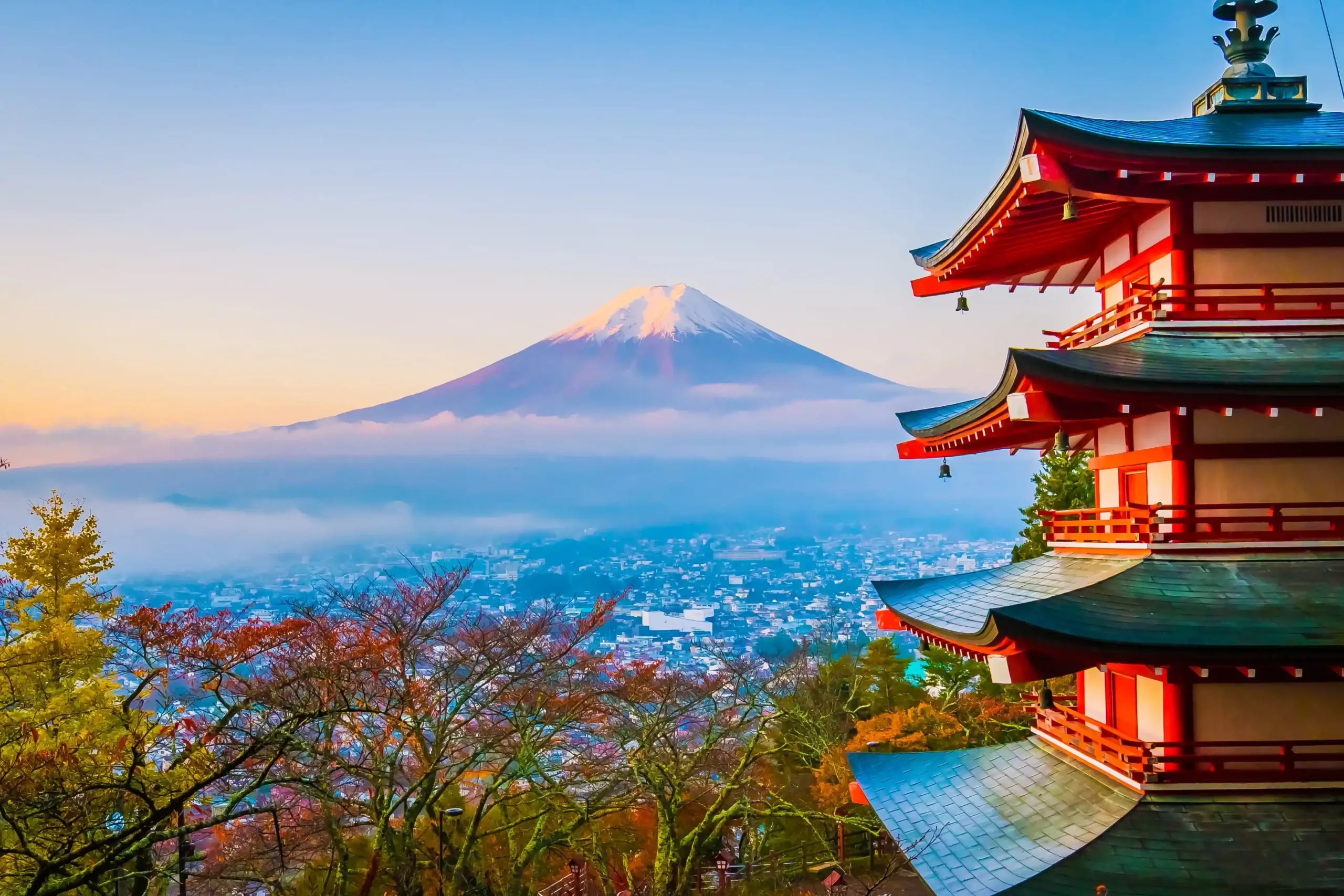
Gion Matsuri is Kyoto’s signature summer festival, running throughout July with roots going back to the ninth century. It centers on Yasaka Shrine and fills the city’s historic streets with music, food stalls, and elaborately decorated floats called yamaboko.

Fuji Rock Festival, by contrast, is Japan’s largest outdoor music festival. It takes place at Naeba Ski Resort in Niigata Prefecture, a few hours north of Tokyo, and draws international and Japanese acts across multiple stages set among forest and mountain scenery.
Traveling from one to the other means moving from dense urban tradition to open-air rural festival grounds, a shift that changes what you need from your phone as much as what you pack in your bag.
What Are the Gion Matsuri Festival 2026 Dates and Highlights?
Gion Matsuri runs for the entire month of July, though most travelers plan around two key stretches: the Saki Matsuri in mid-July and the Ato Matsuri toward the end of the month. Exact dates shift slightly year to year, so it’s worth checking current listings closer to your trip. For a detailed day-by-day breakdown, see our Kyoto July Gion Matsuri guide.
Yamaboko Junko Float Parade
The Yamaboko Junko, the main float parade, is the festival’s biggest draw. Two processions move through central Kyoto, one in mid-July and a smaller one about a week later, each with more than twenty towering floats pulled by hand through the streets.
Best Viewing Spots in Kyoto
Shijo-dori and Kawaramachi-dori get the heaviest crowds, so arrive at least an hour early if you want a curbside spot. Paid grandstand seating is available and sells out early. Quieter side streets near Yasaka Shrine offer a calmer view of the evening yoiyama, when floats are lit with lanterns and streets fill with food stalls.
Stay Connected From Kyoto to Naeba
Cover parade crowds and mountain festival grounds with one reliable data plan.
Planning the Journey Between Kyoto and Fuji Rock Festival 2026
Getting from Kyoto to Fuji Rock takes some coordination once your Gion Matsuri Festival 2026 plans are set, but it’s manageable in a single travel day if you plan ahead.

Transport from Kyoto to Niigata
The fastest route is the Tokaido Shinkansen from Kyoto to Tokyo, around two and a half hours, followed by the Joetsu Shinkansen to Echigo-Yuzawa Station, about 80 minutes. From Echigo-Yuzawa, festival shuttle buses run directly to Naeba Ski Resort, typically taking 40 to 50 minutes. Budget a full day for the trip if you want buffer time for transfers and luggage.
Fuji Rock Festival 2026 Dates and Location
Fuji Rock is held annually over three days in late July at Naeba Ski Resort in Yuzawa, Niigata Prefecture. Ticket prices and the full lineup are typically confirmed in spring, so check official festival channels closer to the date before booking flights and accommodation.
Why Does Connectivity Matter at Crowded Festivals?
Anyone who has tried to load a map in the middle of a packed Kyoto side street during the evening yoiyama of Gion Matsuri Festival 2026 knows the problem firsthand. Tens of thousands of people funnel into a few blocks, mobile networks get congested, and public WiFi hotspots either don’t exist or slow to a crawl under the load.
At Fuji Rock, the challenge flips. You’re not fighting crowd congestion so much as distance from cell towers, since the festival sits in a mountain valley away from dense urban infrastructure. Reception can be patchy near some stages, and campsite WiFi is not something to count on.
In both cases, relying on venue WiFi is risky. A dedicated data connection on your own device, rather than a shared network everyone else is also trying to use, makes a real difference when you need directions, tickets, or a way to find your group.
Staying Connected Across Cities and Rural Festival Areas
Kyoto’s mobile networks are generally strong given how many tourists pass through the city each July, but a personal roaming plan from your home carrier can still get expensive fast, especially if you’re posting photos or video calling home throughout the trip. Once you head north to Naeba, coverage becomes more dependent on carrier infrastructure in a rural mountain area, so having a plan that works reliably across both environments matters more than picking the cheapest option available.

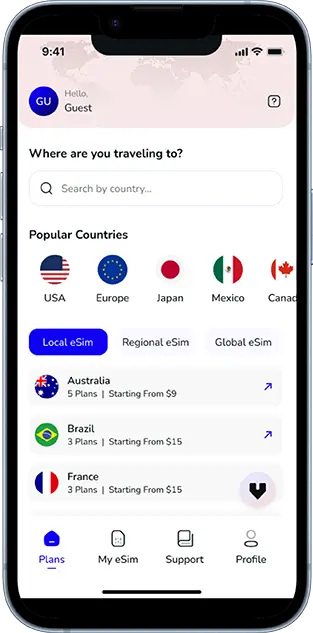
This is where a Japan eSIM plan earns its keep. An eSIM is a digital SIM card built into most phones from the last several years, activated with a QR code rather than a physical chip, so you can set it up before you even land. It runs on local Japanese networks rather than an expensive international roaming agreement, which keeps data costs predictable across a trip that spans Kyoto’s dense streets and Niigata’s mountain valleys alike.
Check out our plans
-
Japan 10 Days Unlimited Data
USD 30.00 -
Japan 15 Days Unlimited Data
USD 43.00 -
Japan 20 Days Unlimited
USD 50.00 -
Japan 3 Days Unlimited Data
USD 10.00
Voye Global’s Japan eSIM plans cover both scenarios, giving you flexible data you can top up on the go if a few extra days at Fuji Rock, or an unplanned stopover in Tokyo, stretch your trip longer than expected. For more on how eSIM technology handles varied environments like this, our guide to choosing the best travel data eSIM breaks down what to look for.
If your festival season extends beyond these two events, our Japan summer festivals 2026 guide and Tokyo summer festival guide cover more events worth building into the same trip. If train travel between cities is part of your plan, our piece on unforgettable train journeys across Japan is worth a read before you book your Shinkansen tickets.
Using Maps, Translation, Tickets and Festival Updates
A working data connection does more heavy lifting on a festival trip than most travelers expect.
- Maps and navigation: Kyoto’s temporary road closures during Gion Matsuri and Naeba’s sprawling festival grounds both make relying on memory unreliable. Live GPS keeps you oriented.
- Translation apps: Menus, signage, and shrine information are often Japanese-only outside major tourist areas. A translation app with camera scanning saves real time.
- Digital tickets: Fuji Rock entry and many Gion Matsuri grandstand seats now use QR-code tickets that need to load and scan on the spot.
- Live schedule updates: Stage times at Fuji Rock shift, and parade routes or road closures during Gion Matsuri can change with weather. Checking official updates in real time helps you avoid missing what you came for.
- Staying in touch: Splitting up in a crowd this size is easy. Messaging apps and live location sharing help your group regroup quickly.
Voye Global Japan eSIM: Your Connectivity Solution for Both Festivals
Whether you’re tracking a parade route through central Kyoto or checking which stage a headliner is playing at Naeba, staying connected shouldn’t mean hunting for WiFi or watching your roaming bill climb. Voye Global eSIM plans activate instantly, cover networks across Japan, and let you top up data without switching SIM cards mid-trip, so the only thing you need to plan around is the festival schedule itself.

For a broader look at building a full Japan itinerary around events like these, our Japan travel guide for 2026 is a useful starting point before you lock in flights.
Plan Your Two Festival Japan Trip
Get flexible data that works in crowded Kyoto streets and rural Niigata.
Conclusion
Gion Matsuri and Fuji Rock sit at opposite ends of what a Japan trip can look like, one steeped in tradition and shrine processions, the other loud, muddy, and built around live music in the mountains. Pairing them into a single July itinerary means covering serious ground, from Kyoto’s packed streets to Niigata’s ski-resort-turned-festival-site, and staying connected through both keeps the logistics from getting in the way of the experience. A Japan eSIM plan that works across cities and rural festival grounds alike is one less thing to worry about once you land.
Frequently Asked Questions
Gion Matsuri runs throughout July 2026, with the main Yamaboko Junko float parades typically held in mid-July and again about a week later. Exact daily dates can shift slightly, so confirm current listings closer to your travel dates.
Gion Matsuri is Kyoto’s best known summer festival, centered on Yasaka Shrine and dating back to the ninth century. It features month-long events culminating in parades of elaborately decorated wooden floats called yamaboko through the city’s historic streets.
Yes, Gion Matsuri is widely considered one of Japan’s most significant cultural festivals. The combination of centuries-old floats, lantern-lit evening streets, and food stalls offers a rare look at living tradition few other festivals match.
Kyoto Station is the main gateway, reachable by Shinkansen from Tokyo, Osaka, or other major cities. From there, the festival area around Yasaka Shrine and Shijo-dori is a short bus or subway ride, though many visitors simply walk given July’s closures.
The evening before each Yamaboko Junko parade, known as yoiyama, is often considered the best experience, when floats are lit with lanterns and streets fill with food stalls. The parade days themselves offer the main daytime spectacle.
Yes, Gion Matsuri has been held annually for over a thousand years, with only rare exceptions during major disruptions. It remains one of Kyoto’s most consistent and anticipated summer events, drawing crowds from across Japan and abroad.
Light, breathable clothing is best given Kyoto’s hot and humid July weather. Many visitors and locals wear yukata, a casual summer kimono, especially during the evening yoiyama, though regular clothing and comfortable walking shoes work fine too.
Yes, most of the parade route along streets like Shijo-dori and Kawaramachi-dori is free to view from the sidewalk, though good spots fill up early. Paid grandstand seating is available for a more comfortable, guaranteed view if booked in advance.

Seamless Mobile Data Everywhere














 English