




Traveling to Georgia is an experience that blends centuries-old traditions, dramatic mountain landscapes, vibrant city life, and some of the most welcoming hospitality in the world. Nestled at the crossroads of Europe and Asia, this small yet culturally rich country offers everything from ancient monasteries perched on cliffs to bustling markets and cozy wine cellars. Whether you are planning to explore Tbilisi’s charming old town, trek through the Caucasus Mountains, or indulge in authentic Georgian cuisine, preparation is key to making the most of your journey.
Before you pack your bags, it is essential to understand the practical, cultural, and safety aspects of traveling in Georgia. From navigating transportation and handling money to respecting local customs and staying safe, having the right information can transform your trip from good to unforgettable. This guide covers everything you need to know before traveling to Georgia, helping you travel smarter, safer, and more confidently.
Understanding safety and security in Georgia
While Georgia remains generally safe regarding crime, travelers in 2026 should exercise a high degree of caution in Tbilisi due to ongoing political demonstrations. Protests frequently occur near Parliament on Rustaveli Avenue and can lead to sudden street closures or clashes with security forces. It is advised to monitor local news, avoid large gatherings, and allow extra travel time when moving through the city center. However, like any travel destination, it is important to remain aware of your surroundings and take standard precautions.
Stay Connected in Georgia
Fast, reliable data for smooth travel across Georgia.
Petty theft can occur, particularly in crowded tourist areas, public transport, and busy markets. Keep your belongings secure, avoid displaying expensive items, and use anti-theft bags if possible. Scams are not widespread but do exist. Some travelers have reported situations where they were invited into bars or clubs and later presented with inflated bills. It is best to stick to reputable establishments and check prices beforehand.
One of the most important safety considerations is avoiding the breakaway regions of South Ossetia and Abkhazia. These areas are politically sensitive and should not be entered under any circumstances. Always respect local laws and follow travel advisories issued by your government.
Driving conditions and transportation realities
Transportation in Georgia offers both convenience and challenges. While the country has improved its infrastructure over the years, driving conditions can still be unpredictable. Reckless driving is not uncommon, and traffic rules are not always strictly followed. Pedestrians should be cautious, as drivers may not always yield the right of way.
If you plan to rent a car, be prepared for narrow roads, sharp mountain turns, and occasional poor road conditions, especially in rural areas. Driving at night is not recommended due to limited visibility and unpredictable driving behavior. In mountainous regions, particularly during winter, snow chains are often mandatory.
For most travelers, public transportation is a practical and affordable option. Marshrutkas, which are shared minibuses, are widely used across the country. They are fast and inexpensive but can be crowded and less comfortable. Taxis are also readily available, and ride-hailing apps make getting around cities easier.
Money matters and payment tips
Understanding how money works in Georgia will help you avoid unnecessary stress during your trip. The official currency is the Georgian Lari (GEL), and it is widely used across the country. In major cities like Tbilisi and Batumi, credit and debit cards are commonly accepted in hotels, restaurants, and larger stores.
However, cash remains essential, especially in rural areas, small shops, guesthouses, and local markets. It is advisable to carry a reasonable amount of cash with you at all times. ATMs are widely available in cities, but access may be limited in remote regions.
Currency exchange offices are easy to find and generally offer competitive rates. Avoid exchanging money at airports unless necessary, as rates may be less favorable. Keeping small denominations can also be helpful for transportation and smaller purchases.
Check out our plans
-

Georgia 7 days 3GB
USD 9.00 -
Georgia 15 days 5GB
USD 14.00 -
Georgia 30 days 8GB
USD 15.00 -
Georgia 30 days 15GB
USD 26.00
Cultural etiquette and local customs
Georgia is known for its deep-rooted traditions and strong sense of hospitality. Understanding and respecting local customs will not only enhance your experience but also help you connect more meaningfully with locals.
When visiting churches and monasteries, modest dress is required. Women are expected to cover their heads and wear long skirts, while men should wear long trousers. Many churches provide scarves and wraps at the entrance for visitors who are not appropriately dressed.
Hospitality is a cornerstone of Georgian culture. Guests are often treated with great generosity, and you may be invited to share meals or drinks. Refusing food or drink can sometimes be perceived as impolite, so it is best to accept graciously, even if only a small portion.
Language can be a barrier in some areas. While younger Georgians often speak English, older generations are more likely to speak Russian or Georgian. Learning a few basic phrases in Georgian can go a long way in building rapport and showing respect.
Food experiences and dietary considerations
Georgian cuisine is one of the highlights of visiting the country. Known for its rich flavors and unique combinations, it features dishes like khachapuri, khinkali, and a variety of meat and vegetable preparations. However, there are a few things to keep in mind when it comes to food.
Walnuts are a staple ingredient in many Georgian dishes, often used in sauces and fillings. If you have a nut allergy, it is important to communicate this clearly when ordering food. Pork is also widely consumed, which may be a concern for certain dietary preferences.
Vegetarians will find options available, but choices may be more limited compared to other destinations. Dishes like lobio (bean stew), vegetable salads, and eggplant preparations are commonly available.
While municipal tap water in Tbilisi legally meets safety standards, many travelers in 2026 report a strong chlorine taste due to heavy treatment, and aging pipes in the Old Town can occasionally cause discoloration. For the best experience, use a filter or stick to bottled water, especially in Batumi and rural regions where water quality is less consistent.
Health and travel insurance essentials
Healthcare facilities in Georgia vary in quality, with better services available in major cities. While basic medical care is accessible, more advanced treatments may require travel to larger hospitals or even outside the country.
Effective January 1, 2026, travel insurance is mandatory for all foreign citizens entering Georgia. Under the Law of Georgia “On Tourism,” you must possess a valid health and accident insurance policy for the entire duration of your stay. The policy must provide a minimum coverage of 30,000 GEL and be available in either English or Georgian. Failure to present proof of insurance (physical or electronic) at the border can lead to fines or denial of entry.
Georgia continues to manage a high population of stray animals. While the 2026 Dog Overpopulation Management Programme has increased vaccinations and tagging in major cities, the country is still categorized as high-risk for rabies. Avoid petting or feeding stray dogs, even those that appear friendly or are tagged. If you are bitten or scratched, seek medical attention immediately at a “rabies center” for post-exposure prophylaxis, as advanced treatment may only be available in Tbilisi.
Travel Smart in Georgia
Enjoy uninterrupted connectivity throughout your Georgia journey.
Weather patterns and packing advice
Georgia’s climate can be surprisingly diverse, depending on the region and time of year. Coastal areas tend to have a humid subtropical climate, while mountainous regions can be significantly cooler and more unpredictable.
Weather conditions in the mountains can change rapidly, even during summer. It is important to pack layers, including a fleece or jacket, regardless of the season. Comfortable walking shoes are essential, especially if you plan to explore cities or go hiking.
Rainfall can be unpredictable, so carrying a lightweight rain jacket or umbrella is a good idea. Sunscreen and sunglasses are also recommended, particularly during the summer months.
Exploring transportation apps and digital tools
Technology can make your travel experience in Georgia much smoother. Ride-hailing apps are widely used in cities and provide a convenient way to get around without language barriers. Navigation apps are also helpful for exploring both urban and rural areas.
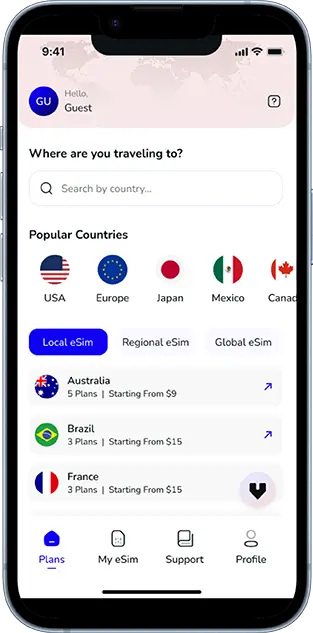
For travelers who rely on constant connectivity, having mobile data is crucial. Using a reliable eSIM solution ensures that you stay connected throughout your journey without the hassle of switching physical SIM cards. Choosing Voye Global for your Georgia eSIM can simplify navigation, bookings, and communication during your trip.
Experiencing sulfur baths and unique traditions
One of the most distinctive experiences in Georgia is visiting the sulfur baths, particularly in Tbilisi’s historic Abanotubani district. These bathhouses are fed by natural hot sulfur springs and have been a part of Georgian culture for centuries.
The experience typically involves soaking in warm mineral waters, followed by a scrub and massage. It is both relaxing and culturally enriching, offering insight into local traditions. Private rooms are available for those who prefer a more personal experience, while public baths provide a more social atmosphere.
Participating in this tradition is considered a must-do activity for many visitors, adding a unique dimension to their journey.
Navigating rural and remote areas

While Georgia’s cities are relatively modern and well-equipped, rural areas offer a different experience. These regions are known for their natural beauty, traditional lifestyles, and warm hospitality, but they may lack certain amenities that travelers are accustomed to.
Infrastructure can be limited, with fewer options for accommodation, dining, and transportation. Planning is crucial when visiting remote areas, including arranging transportation and confirming bookings in advance.
Carrying cash, having offline maps, and preparing for limited connectivity will help ensure a smooth experience. Despite these challenges, rural Georgia often provides some of the most memorable and authentic travel experiences.
Conclusion
Traveling to Georgia offers a rich blend of culture, history, and natural beauty that is hard to find elsewhere. From the lively streets of Tbilisi to the serene landscapes of the Caucasus Mountains, every corner of the country has something unique to offer. With its welcoming people and diverse attractions, Georgia continues to grow as a popular destination for travelers from around the world.
By understanding the practical aspects of safety, transportation, money, and cultural etiquette, you can approach your journey with confidence and ease. Thoughtful preparation allows you to fully immerse yourself in the experience, making your trip not only enjoyable but also deeply meaningful. Whether you are visiting for adventure, relaxation, or cultural exploration, Georgia promises memories that will stay with you long after you return home.

Seamless Mobile Data Everywhere













 English