




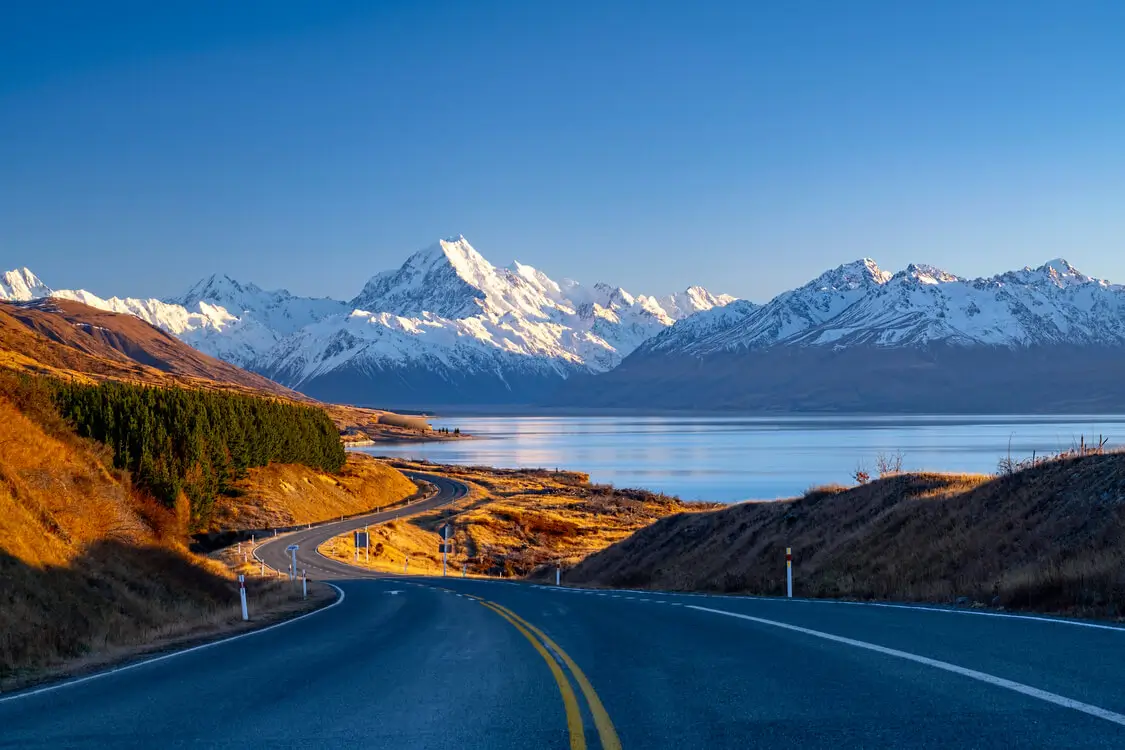
New Zealand is one of those destinations that instantly feels different the moment you arrive. From the snow-covered peaks of the South Island to the buzzing waterfronts of Auckland, the country offers a mix of adventure, relaxation, culture, and natural beauty that attracts travelers from every corner of the world. Whether you are planning a road trip through scenic landscapes, exploring Maori heritage, or trying local cuisine for the first time, New Zealand delivers unforgettable experiences at every step.
At the same time, traveling in New Zealand comes with its own set of cultural expectations, travel etiquette, and practical rules that every visitor should understand before landing. Knowing the right things to do and avoid can make your journey smoother, more respectful, and far more enjoyable. From driving on the left side of the road to understanding outdoor safety and local customs, this guide covers the essential do’s and don’ts in New Zealand for travelers who want to experience the country the right way.
Respect Maori Culture and Traditions
One of the most important things to remember while visiting New Zealand is the significance of Maori culture. The Maori people are the indigenous population of the country, and their traditions remain deeply connected to everyday life. Travelers often visit cultural villages, attend performances, and learn about traditional customs during their stay.
- Do take the time to understand local customs before participating in cultural experiences. Greeting people respectfully, listening carefully during ceremonies, and following instructions at sacred sites are all important. If you are invited to a traditional Maori gathering or performance, show genuine respect and interest.
- Do not treat Maori traditions as entertainment only. Avoid making jokes, interrupting ceremonies, or behaving casually at sacred locations. Certain places hold spiritual importance, and visitors are expected to act respectfully.
Understanding cultural etiquette not only helps you avoid uncomfortable situations but also allows you to connect more deeply with New Zealand’s identity.
Stay Connected New Zealand
Instant data access for maps, bookings, and travel updates.
Drive Carefully and Follow Road Rules
Road trips are one of the best ways to explore New Zealand. The country is filled with scenic highways, coastal routes, and mountain roads that create unforgettable travel memories. However, driving conditions can surprise visitors who are unfamiliar with local roads.
- Do remember that New Zealand drives on the left side of the road. International travelers should practice caution, especially when navigating roundabouts and narrow rural roads. Many highways are winding, and weather conditions can change quickly in certain regions.
- Do plan extra time for your journey. Distances may look short on maps, but roads often involve curves, hills, and single-lane bridges. Staying alert is essential.
- Do not underestimate fatigue while driving. Long road trips through scenic regions can become exhausting, particularly for travelers adjusting to a new time zone. Pull over regularly, take breaks, and avoid driving late at night in unfamiliar areas.
Travelers who plan to stay connected during their road trip often rely on a eSIM for navigation, travel updates, and emergency communication. Staying connected while exploring remote regions can make a major difference during long journeys.
Respect Nature and Outdoor Spaces
New Zealand is famous for its untouched landscapes, national parks, hiking trails, beaches, and lakes. The country takes environmental conservation seriously, and travelers are expected to do the same.
- Do follow the Leave No Trace principle. Carry your waste with you, use designated trash bins, and respect protected areas. Many hiking trails pass through fragile ecosystems that require careful preservation.
- Do stay on marked walking tracks. Straying from official paths can damage native plants and increase safety risks.
- Do not feed wildlife. Birds and animals in New Zealand are protected, and human food can harm them. Travelers often encounter unique species that exist nowhere else in the world, so protecting them is essential.
- Do not remove natural items such as rocks, shells, or plants from protected areas. Many national parks have strict conservation regulations.
Outdoor adventures are a huge part of the New Zealand experience, but respecting the environment ensures future travelers can enjoy the same beauty.
Understand the Weather Before Exploring
New Zealand weather can change rapidly, especially in mountain regions and coastal areas. A sunny morning can quickly turn into heavy rain or strong winds later in the day.
- Do check weather forecasts regularly before outdoor activities such as hiking, kayaking, or skiing. Even experienced travelers can be caught off guard by sudden weather changes.
- Do pack layers regardless of the season. Temperatures can vary greatly between regions and even within the same day.
- Do not ignore safety warnings or trail closures. Local authorities issue alerts for a reason, and conditions in remote areas can become dangerous quickly.
- Do not assume summer weather means complete safety. Sun exposure in New Zealand is particularly strong due to lower ozone levels, so sunscreen and hydration are essential.
Travelers often appreciate the flexibility that digital travel tools provide while navigating changing weather conditions. Reliable mobile access through Voye Global helps visitors stay informed while exploring different parts of the country.
Learn Basic Social Etiquette
New Zealanders are generally friendly, polite, and relaxed, but visitors should still understand basic social etiquette.
- Do greet people politely and say thank you when receiving help or service. Courtesy is appreciated in restaurants, hotels, stores, and public spaces.
- Do respect personal space and remain patient in queues. Public behavior tends to be calm and organized.
- Do not speak loudly in quiet public places or interrupt conversations aggressively. Travelers who behave respectfully often receive warmer interactions from locals.
- Do not compare New Zealand constantly to other countries while speaking with residents. Many locals appreciate visitors who show genuine interest in the country’s unique culture and identity.
Simple manners go a long way when interacting with people during your travels.
Check out our plans
-
New Zealand 7 days 5 GB
USD 9.00 -
New Zealand 15 days 8GB
USD 15.00 -
New Zealand 30 days 15GB
USD 23.00 -
New Zealand 30 days 25GB
USD 34.00
Prepare for Adventure Activities Responsibly
New Zealand is considered one of the world’s top destinations for adventure tourism. Travelers come here for bungee jumping, skydiving, jet boating, glacier hikes, and countless outdoor thrills.
- Do choose licensed and reputable tour operators for adventure activities. Safety standards in New Zealand are generally high, but it is still important to book responsibly.
- Do listen carefully to the instructions provided by guides and instructors.
- Do not take unnecessary risks for social media photos or videos. Dangerous stunts near cliffs, waterfalls, or mountain edges can lead to serious accidents.
- Do not ignore your physical limits. Some activities require fitness, balance, or endurance levels that travelers may underestimate.
Adventure tourism is exciting, but responsible decision-making ensures your experiences remain memorable for the right reasons.
Be Smart With Budgeting and Expenses
New Zealand is often considered an expensive travel destination compared to many other countries. Accommodation, dining, transportation, and adventure activities can add up quickly.
- Do set a realistic travel budget before your trip. Planning expenses in advance helps avoid financial stress later.
- Do book accommodations and popular tours early during peak travel seasons. Prices tend to rise significantly during holidays and summer months.
- Do not assume every area has affordable dining options available late at night, especially in smaller towns.
- Do not forget to carry a debit or credit card. Cash is accepted in many places, but digital payments are extremely common throughout the country.
Budget-conscious travelers often save money by cooking meals, booking campervans, and exploring free hiking trails.
Respect Biosecurity Rules at Airports
New Zealand has some of the strictest biosecurity laws in the world. Protecting the country’s ecosystem and agriculture is taken very seriously.
- Do declare food, outdoor equipment, and certain items at customs if required. Officials are strict but fair, and honesty is always the best approach.
- Do clean hiking boots, camping gear, and sports equipment before arriving in the country.
- Do not attempt to bring restricted food products, fresh produce, or undeclared items through customs.
- Do not ignore airport instructions regarding inspections or declarations. Fines for violations can be substantial.
Travelers who understand these rules ahead of time usually pass through the airport process much more smoothly.
Stay Connected While Traveling Across New Zealand

Reliable internet access can significantly improve your travel experience in New Zealand. Whether you are navigating mountain roads, checking weather updates, booking activities, or staying connected with family, mobile access plays a valuable role during the trip.
- Do arrange your connectivity before arriving in the country. Travelers increasingly prefer digital solutions because they are convenient and easy to activate.
- Do use maps, travel apps, and emergency communication tools while exploring remote areas.
- Do not rely entirely on public WiFi in every location. Smaller towns and rural regions may have limited access.
- Do not wait until the last minute to arrange mobile data if your itinerary includes road trips or outdoor adventures.
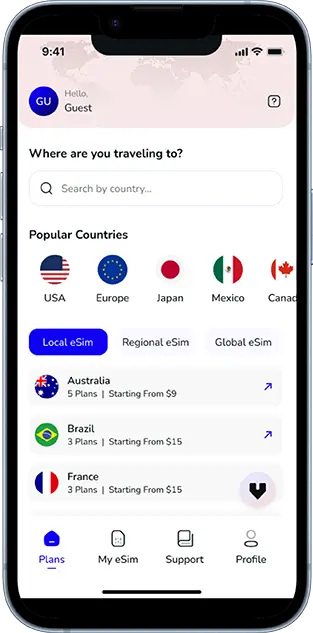
Many international travelers now choose a New Zealand eSIM because it allows immediate access to data without needing a physical SIM card. This makes travel planning more flexible and convenient from the moment you land.
Follow Local Dining and Tipping Customs
Food culture in New Zealand combines fresh seafood, local produce, international influences, and traditional Maori cooking styles. Travelers can enjoy everything from upscale restaurants to cozy cafes and farmers’ markets.
- Do try local specialties and support independent restaurants when possible. Exploring regional cuisine adds another layer to the travel experience.
- Do make reservations in popular tourist areas during busy seasons.
- Do not expect tipping to function the same way it does in the United States. Tipping is appreciated for excellent service but is not mandatory in most situations.
- Do not waste food unnecessarily. Sustainable dining practices are valued by many businesses and communities.
Dining experiences in New Zealand are generally relaxed, welcoming, and centered around quality ingredients.
Travel Smart in New Zealand
Reliable internet for navigation, communication, and trip planning.
Understand Camping and Freedom Camping Rules
Camping is extremely popular in New Zealand, especially among travelers exploring the country by campervan.
- Do use designated camping sites whenever possible. Many locations offer beautiful scenery along with proper facilities.
- Do check local regulations before freedom camping. Rules vary by region, and some areas prohibit overnight parking.
- Do not leave waste behind or dump wastewater illegally. Authorities take environmental violations seriously.
- Do not park overnight in unauthorized areas simply because they appear empty.
Responsible camping helps preserve New Zealand’s natural beauty while allowing travelers to continue enjoying outdoor experiences.
Respect Water Safety Guidelines
New Zealand beaches, lakes, and rivers are stunning, but water conditions can sometimes be unpredictable.
- Do swim at beaches with lifeguards whenever possible.
- Do pay attention to warning signs about strong currents, dangerous tides, or unsafe conditions.
- Do not underestimate river currents or ocean waves, even if the water appears calm.
- Do not dive into unknown water locations without checking depth and safety conditions first.
Water safety awareness is especially important for international travelers unfamiliar with local conditions.
Conclusion
Traveling through New Zealand is an unforgettable experience filled with breathtaking scenery, rich culture, outdoor adventures, and welcoming communities. Understanding the local do’s and don’ts allows travelers to enjoy the country more responsibly while building meaningful connections with the people and places they encounter. Respect for culture, environmental awareness, road safety, and smart travel planning all contribute to a smoother and more rewarding journey.
Whether you are hiking through national parks, driving along scenic coastal roads, experiencing Maori traditions, or exploring vibrant cities, preparation makes all the difference. Staying informed, connected, and respectful will help you experience the very best of the country without unnecessary challenges. With the right planning and a reliable New Zealand eSIM solution, travelers can explore confidently while making the most of every moment in this remarkable destination.

Seamless Mobile Data Everywhere













 English