



- Tanzania Weather by Month
- Best Time for a Tanzania Safari
- Wildebeest Migration Calendar
- Best Time to Visit Zanzibar Beaches
- Rainy Season in Tanzania
- Budget Travel: The Cheapest Months to Visit Tanzania
- So, What Is the Best Month to Visit Tanzania
- Staying Connected During Your Trip
- Quick Answer: When Should You Go
- Final Thoughts
- Frequently Asked Questions
Tanzania Weather by Month: What to Expect
Tanzania’s climate splits broadly into two dry stretches and two rainy stretches:
- December to February: warm and mostly dry, with short, scattered showers. Daytime temperatures in the Serengeti often reach 27 to 30°C (80 to 86°F).
- March to May: the long rains. Expect heavy afternoon downpours, muddy roads, and lush green scenery. This is Tanzania’s low season for tourism.
- June to October: the long dry season. Little to no rain, cooler mornings and evenings (especially in June and July), and consistently sunny days.
- November: the short rains, usually brief afternoon storms rather than all-day washouts.
Coastal areas like Zanzibar run slightly warmer and more humid year-round than the inland highlands and Serengeti plains, so pack accordingly if you’re combining both.
Heading to Tanzania on Safari
Stay connected across the Serengeti and Zanzibar without roaming bill surprises
Best Time for a Tanzania Safari: Dry Season Explained
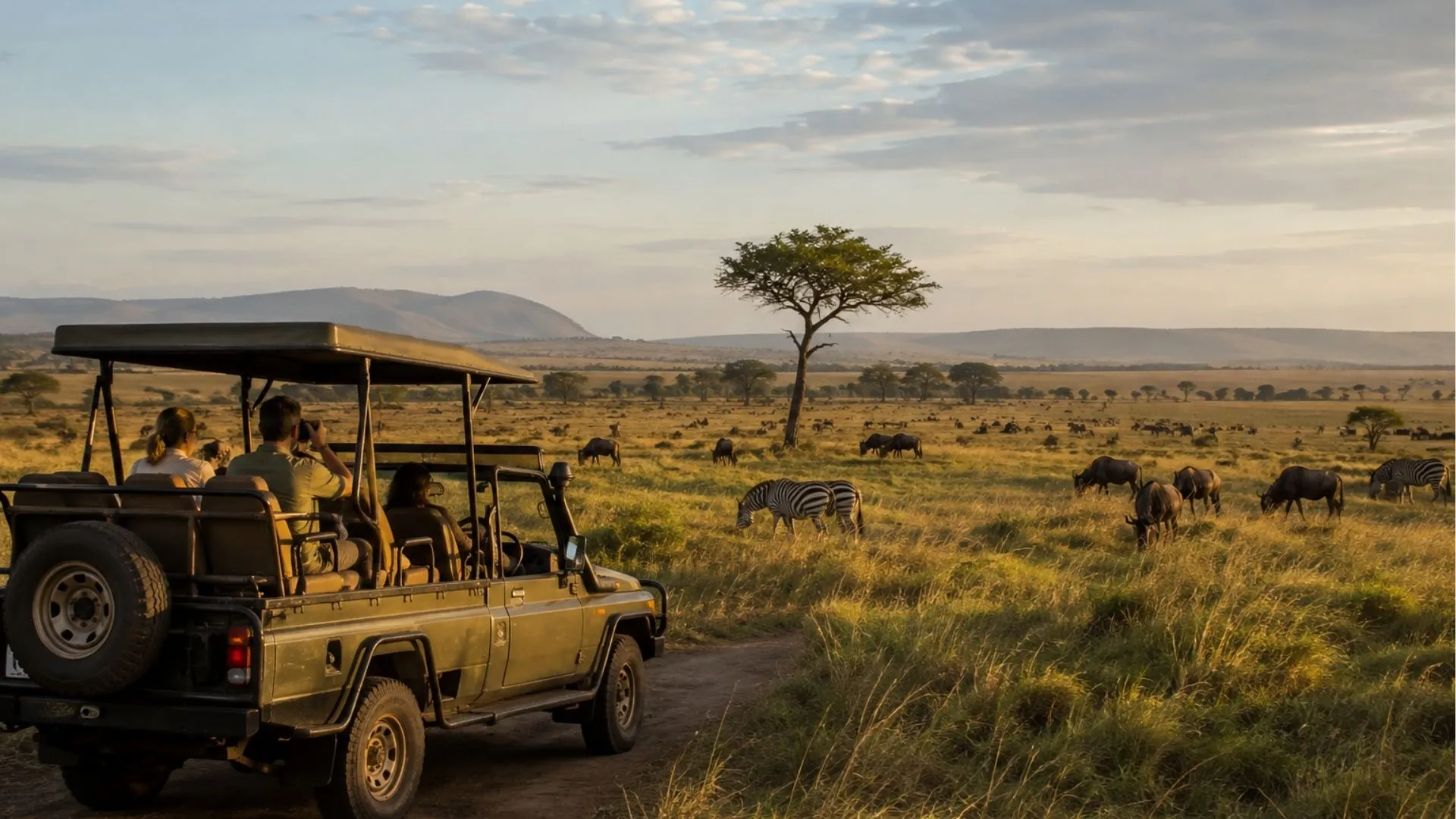
The dry season, roughly late June through October, is widely considered the best time for a Tanzania safari. With minimal rainfall, vegetation thins out, and animals gather near permanent water sources, making sightings easier and more predictable. Dirt roads in parks like the Serengeti, Tarangire, and Ngorongoro Crater stay firm and accessible, which matters when you’re covering long distances between camps.
July and August are peak safari months, both for weather and for the migration, so expect higher park fees and lodges booking out early. September and October offer very similar wildlife viewing with slightly thinner crowds.
For travelers weighing a longer African itinerary, our Africa travel guide covers how Tanzania compares to other classic safari and adventure destinations on the continent.
Wildebeest Migration Calendar: When and Where to See It?
The Great Migration is a year-round event, but where you’ll catch it changes by month:
- January to March: herds gather in the southern Serengeti and Ndutu area for calving season, when hundreds of thousands of wildebeest give birth within a few weeks.
- April to May: the herds begin moving north through the central Serengeti.
- June to July: dramatic river crossings at the Grumeti River, followed by movement toward the Mara River.
- August to October: the famous Mara River crossings, often the most photographed part of the migration. A large stretch of the Mara River runs through northern Serengeti, so you can witness these dramatic crossings entirely within Tanzania without crossing into Kenya.
- November to December: triggered by the onset of the short rains, the herds follow the fresh green grass and water back down toward the southern Serengeti. If witnessing a river crossing is your top priority, plan for July through September. If you’d rather see newborn calves and predator action without the crowds, January to March is worth considering instead.
Best Time to Visit Zanzibar Beaches
Zanzibar runs on its own rhythm, slightly different from the mainland safari circuit. The best time to visit Zanzibar beaches is June to October, when humidity drops, rainfall is minimal, and the Indian Ocean is calm and clear for snorkeling and diving around places like Mnemba Atoll. December to February is also a solid beach window, though it’s warmer and busier around the holidays.
Avoid the long rains from March to May if beach time is your main goal, since heavy showers and higher humidity can dampen an otherwise relaxing stretch of the trip. Many travelers combine a dry season safari with a few days unwinding in Zanzibar afterward, which lines up well since both destinations share the same June to October sweet spot.
Planning Your Migration Season Trip
Set up data before you land so maps and photos work instantly
Rainy Season in Tanzania: Should You Avoid It?
Not necessarily. The Tanzania rainy season, especially the short rains in November and the long rains from March to May, has real upsides if you’re flexible. Parks are far less crowded, lodge rates drop noticeably, and the landscape turns a vivid green that photographers often prefer over the dusty dry season look.
The trade-offs are real too: roads in southern and western parks (like Ruaha and Nyerere) can become impassable, forcing many camps there to close temporarily in April and May. However, the popular Northern Circuit (Serengeti, Ngorongoro Crater, and Lake Manyara) remains open and accessible year-round, offering great wildlife viewing even during the rains.
Budget Travel: The Cheapest Months to Visit Tanzania
If cost is your main driver, April and May are typically the cheapest months to travel to Tanzania. Lodge and camp rates during the long rains can drop by 20 to 40 percent compared to peak dry season pricing, and flights into Kilimanjaro International Airport or Zanzibar tend to be more available and less expensive.
November offers a middle ground: rates are lower than the June to October peak, but the rain is lighter and shorter, so you get a discount without sacrificing too much of the experience. If your dates are flexible, shoulder months like early June or late October can also land you decent weather at prices below full peak season.
So, What Is the Best Month to Visit Tanzania for You?
There’s no universal answer, but here’s a quick way to decide:
- Want the classic dry season safari with clear skies? Go July through September.
- Want to see the Mara River crossings? Aim for August or September specifically.
- Want newborn wildebeest calves and fewer tourists? Choose late January or February.
- Want a beach-first trip in Zanzibar? June to October, or December to February.
- Want the lowest prices and don’t mind rain? April or May.
- Want a balance of good weather, lighter crowds, and reasonable rates? November is often overlooked but works well.
Whichever month you choose, Tanzania rewards planning, since popular camps in the Serengeti and Ngorongoro Crater fill up months in advance for the July to October window.
Combining Tanzania With Other Stops
One eSIM keeps you online across multiple African countries seamlessly
Staying Connected During Your Trip
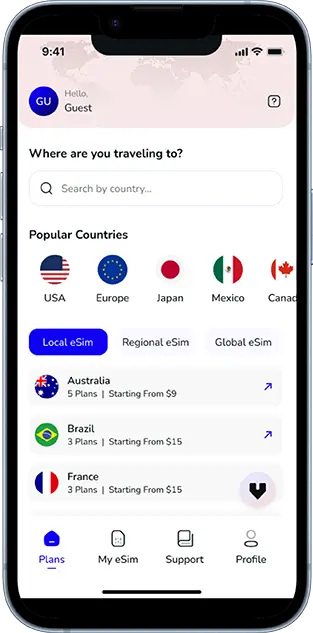
Mobile coverage across Tanzania has improved a lot in recent years, with reasonable 4G access in cities like Arusha, Dar es Salaam, and Zanzibar Town, though signal can be patchy in remote parts of the Serengeti or Ngorongoro Conservation Area. Rather than hunting for a local SIM card at the airport or paying steep roaming charges, many travelers now set up a Tanzania eSIM before they land, so maps, translation apps, and photo uploads work as soon as the plane touches down.
An eSIM is especially useful on safari, where you’ll want to share photos from that Mara River crossing or check in with family without waiting until you’re back at a lodge with WiFi. If your trip includes stops beyond Tanzania, it’s worth checking guides like best time to travel to Jordan or best time to visit Egypt if you’re building a longer Africa and Middle East itinerary, and our piece on traveling during monsoon season if you’re weighing rainy season travel elsewhere too.
Quick Answer: When Should You Go?
If you want one simple recommendation, aim for late June through October. This is Tanzania’s long dry season, when game viewing is at its best because animals cluster around rivers and waterholes, roads are passable, and skies stay clear for photography. January and February are a strong second choice if your main goal is watching the wildebeest calving season in the southern Serengeti.
There is no single wrong month to travel, but each one trades off differently between weather, wildlife, crowds, and price.
Final Thoughts
The best month to visit Tanzania really comes down to what you’re chasing: dramatic river crossings, newborn wildebeest, quiet beaches, or the lowest possible price. July through October covers the classic safari experience with the most reliable weather, January and February suit calving season fans, and April through May rewards budget-conscious travelers willing to work around the rain. Whatever window you pick, a bit of planning around weather, migration timing, and connectivity will make the trip run a lot smoother.
Frequently Asked Questions
July through September is the best month to visit Tanzania for a safari, since the long dry season concentrates wildlife near water sources and keeps roads passable. This window also overlaps with the dramatic Mara River crossings during the Great Migration.
April and May are typically the cheapest months to travel to Tanzania, with lodge rates dropping 20 to 40 percent during the long rains. November also offers lower prices with much lighter rainfall than the March to May season.
Tanzania has two rainy seasons: the long rains from March to May, which bring heavy daily downpours, and the short rains in November, which are brief and less disruptive. The long rains are the quietest and cheapest time to visit.
July is generally better if you want peak dry season weather and a chance at early river crossings during the migration. June still offers good dry conditions and slightly lower crowds and prices before the July to August rush begins.
July is usually the coldest month in Tanzania, with cooler mornings and evenings in the highlands and Serengeti, sometimes dropping close to 10°C (50°F) at night. Daytime temperatures still stay comfortably warm and sunny.
Yes, November is a good option since the short rains are brief afternoon showers rather than all-day storms. You’ll find lower prices, thinner crowds, and the wildebeest herds beginning their journey back toward the southern Serengeti.
August and September are best for the famous Mara River crossings, while January and February are ideal for witnessing the calving season in the southern Serengeti. The migration itself is a year round event that simply moves location by month.
Yes, Tanzania is a year round destination since the migration, wildlife, and Zanzibar beaches are accessible in every season. The experience simply shifts: dry months suit safaris, while rainy months offer lower prices and lush, quieter landscapes.

Seamless Mobile Data Everywhere











 English