




Traveling to Egypt is like stepping into a living museum where ancient history, vibrant culture, and breathtaking landscapes come together. From the iconic pyramids of Giza to the serene waters of the Nile, Egypt offers an unforgettable experience for every kind of traveler. However, one of the most important factors that can shape your trip is timing. Choosing the right season can make the difference between a comfortable, enriching journey and one that feels overwhelming due to extreme weather or crowds.
Egypt’s climate is predominantly desert, meaning it experiences hot summers, mild winters, and very little rainfall. While the country is a year-round destination, understanding seasonal variations helps travelers plan better. Whether you’re interested in sightseeing, cultural exploration, or relaxing by the Red Sea, this guide breaks down the best time to visit Egypt in detail so you can make the most of your trip.
Understanding Egypt’s Climate
Egypt has a subtropical desert climate, characterized by long, hot summers and short, mild winters. The country receives minimal rainfall, especially in southern regions like Luxor and Aswan. Daytime temperatures can vary drastically depending on the season and region, making timing essential for a comfortable experience.
Hassle-Free Egypt Connectivity
Skip SIM cards and activate your Egypt data in minutes.
During summer, temperatures often exceed 40°C, particularly in inland areas. Winters, on the other hand, are mild and pleasant, especially during the day, although nights can get surprisingly cool. Coastal regions such as the Red Sea enjoy slightly more moderate conditions, making them attractive year-round.
Best Overall Time to Visit Egypt – October to April
If you’re looking for the most comfortable weather across the country, the period from October to April is widely considered the best time to visit Egypt. During these months, temperatures are cooler and more manageable, especially for exploring outdoor attractions.
This is the ideal time for sightseeing in Cairo, visiting historical landmarks like the Valley of the Kings, and cruising along the Nile. The pleasant weather allows travelers to spend more time outdoors without the discomfort of intense heat.
October and November mark the beginning of the tourist season, with temperatures gradually dropping after the summer heat. March and April also offer favorable weather, although temperatures begin to rise slightly as summer approaches.
Peak Season – December to February
The peak tourist season in Egypt falls between December and February. This is when the weather is at its best, particularly for sightseeing. Daytime temperatures are mild, making it perfect for exploring ancient ruins, temples, and bustling cities.
However, this popularity comes with a trade-off. Tourist sites are often crowded, and accommodation prices tend to be higher. Major attractions like the pyramids and temples in Luxor can feel busy, especially during holidays and festive periods.
Despite the crowds, many travelers still prefer this season because of the comfortable climate. If you don’t mind the hustle and bustle, this is an excellent time to experience Egypt at its most vibrant.
Shoulder Season – March to April and September to November
For travelers who want a balance between good weather and fewer crowds, the shoulder seasons are ideal. These months provide a sweet spot where you can enjoy pleasant temperatures without dealing with peak season congestion.
March and April offer warm but manageable weather, making it a great time for cultural exploration. However, travelers must plan for the Khamaseen winds. These hot, sand-laden storms can strike suddenly, dropping visibility to near zero and causing temporary closures of sites like the Giza Plateau or even flight delays. If you’re traveling during this window, keep your itinerary flexible and carry a lightweight scarf to protect your face from blowing dust.
Similarly, September to November marks the transition from summer to cooler months. While September can still be warm, October and November become increasingly comfortable, making them excellent months for sightseeing and outdoor activities.
Check out our plans
-

Egypt 7 days 3GB
USD 15.00 -
Egypt 15 days 5GB
USD 22.00 -
Egypt 30 days 8GB
USD 35.00 -
Egypt 30 days 15GB
USD 49.00
Visiting Egypt in Summer – June to August
Summer in Egypt is not for the faint of heart. Temperatures can soar above 40°C, especially in southern regions like Luxor and Aswan. The heat can make daytime sightseeing challenging and sometimes even exhausting.
However, there are some advantages to visiting during this time. Fewer tourists mean less crowded attractions and more affordable accommodations. If you can handle the heat or plan your activities early in the morning and late in the evening, summer travel can still be rewarding.
Coastal destinations like Hurghada and Sharm El Sheikh are particularly attractive in summer because the Red Sea water temperature peaks at a balmy 28°C to 30°C, perfect for long snorkeling sessions. Conversely, while winter sightseeing is better, the sea can dip to 21°C in January and February; casual swimmers may find unheated hotel pools and the open ocean quite brisk during the peak winter months.
Best Time for Specific Destinations in Egypt
Different regions in Egypt have varying climates, so the best time to visit can depend on your itinerary.
Cairo is best visited between October and March when temperatures are mild and suitable for exploring the city’s historic sites and bustling markets. Summers in Cairo can be extremely hot, making outdoor activities less enjoyable.
Luxor and Aswan are most comfortable from November to February. These southern cities experience intense heat during summer, so winter months are ideal for visiting temples and archaeological sites.
Desert areas, including the White Desert and Siwa Oasis, are best explored between November and March. Cooler temperatures make desert excursions more enjoyable and safer.
For Red Sea destinations, the best time is during spring and autumn. The weather is warm, and the water temperature is perfect for swimming, snorkeling, and diving.
Best Time for Nile Cruises
A Nile cruise is one of the most popular ways to experience Egypt, offering a unique perspective of the country’s history and landscapes. The best time for a Nile cruise is between October and April, when temperatures are comfortable for both onboard relaxation and onshore excursions.
During this period, travelers can enjoy guided tours of temples and monuments without the extreme heat. Evening activities on the cruise also become more enjoyable due to the pleasant weather.
Travel Smart Across Egypt
Get reliable data for maps, bookings, and travel updates instantly.
Budget Travel vs Luxury Experience
Timing your visit can also impact your travel budget. Peak season brings higher prices for flights, hotels, and tours. If you’re planning a luxury experience and want the best weather, December to February is worth the investment.
For budget-conscious travelers, summer offers significant savings. Hotels and tours often provide discounts due to lower demand. Shoulder seasons also present a good opportunity to find deals while still enjoying decent weather.
Cultural Events and Festivals
Egypt hosts several cultural events and festivals throughout the year, which can enhance your travel experience. Religious holidays such as Ramadan and Eid bring a unique atmosphere, with vibrant night markets and special traditions.
While these events offer a deeper cultural insight, they can also affect business hours and the availability of services. Planning ahead is essential if your travel dates coincide with major holidays.
Travel Tips for Each Season
To make the most of your trip, it’s important to prepare according to the season you choose.
During winter, pack light layers as temperatures can vary between day and night. Comfortable walking shoes are essential for exploring historical sites.
In summer, prioritize lightweight, breathable clothing and stay hydrated. Sunscreen, hats, and sunglasses are a must to protect against the intense sun.
For shoulder seasons, a mix of summer and light winter clothing works best, as temperatures can fluctuate.
Staying Connected While Traveling

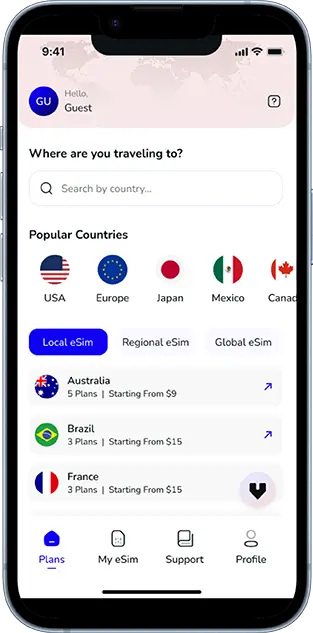
Staying connected during your trip is crucial for navigation, bookings, and sharing your experiences. Using a reliable eSIM for Egypt can make your travel smoother by providing instant connectivity without the need for physical SIM cards. Many travelers now prefer using services by Voye Global to ensure seamless internet access throughout Egypt, allowing them to stay connected without hassle.
How to Choose the Best Time for Your Trip?
Ultimately, the best time to visit Egypt depends on your travel priorities. If you value комфортable weather and don’t mind crowds, winter is ideal. If you prefer fewer tourists and better deals, shoulder seasons are a great choice. For budget travelers who can handle the heat, summer offers significant savings.
Consider what you want to experience during your trip. Whether it’s exploring ancient history, relaxing by the sea, or embarking on a Nile cruise, aligning your travel dates with your interests will help you make the most of your journey.
Conclusion
Egypt is a destination that offers something extraordinary in every season. While the cooler months from October to April are generally considered the best time to visit, each season has its own unique appeal. From the lively atmosphere of peak tourist months to the quiet charm of summer, the country adapts to different travel styles and preferences.
Planning your trip thoughtfully ensures a more enjoyable and memorable experience. By understanding Egypt’s climate, seasonal trends, and regional differences, you can choose the perfect time to explore this incredible destination. Whether you’re marveling at ancient wonders or soaking in the beauty of the Red Sea, Egypt promises a journey that stays with you long after you return home.
With the right timing and preparation, your Egyptian adventure can be as comfortable as it is unforgettable.

Seamless Mobile Data Everywhere













 English