




Chasing the aurora borealis usually comes down to a handful of real questions: is Iceland’s convenience worth trading Norway’s dramatic fjord backdrop, and does Finland’s glass igloo experience justify a Lapland detour? If you already know what the aurora is and you’re now comparing destinations, this guide skips the basics and gets straight to the tradeoffs.
Norway: The Fjord Backdrop
Norway wins on scenery. No other country pairs the aurora with a backdrop this dramatic, snow-capped mountains dropping straight into black fjord water, with the lights reflecting on the surface.
Best viewing locations
- Tromso: The unofficial aurora capital, with direct flights, guided tours, and enough cloud-break odds to make multi-night stays worthwhile.
- Lofoten Islands: Jagged peaks and fishing villages for photographers who want the aurora as part of a wider composition, not just the sky.
- Alta: Slightly less touristy than Tromso, with a dedicated Aurora Borealis Observatory.
Best months and what to expect
Late September through late March, with peak activity around the equinoxes in late September and late March. Expect temperatures from minus 5 to minus 15 Celsius on clear nights, and genuinely variable weather along the coast, so plan at least three to four nights to improve your odds.
The verdict
Norway is right for travelers who want the aurora as part of a bigger scenic experience, not just a checklist item. If the fjords themselves are part of the appeal, this is the country to pick over Iceland or Finland.
Get Data Before You Land
Activate your eSIM before your flight so you land ready to check aurora forecasts.
Iceland: The Most Accessible Option
Iceland is the easiest of the three big names to actually pull off. Reykjavik is a short flight from most of the US East Coast and Europe, and you can chase the aurora and soak in a geothermal lagoon on the same trip.

Best viewing locations
- Thingvellir National Park: Dark skies less than an hour from Reykjavik, no rental car detour required.
- Snaefellsnes Peninsula: Coastal cliffs and the Snaefellsjokull glacier as a backdrop, about two and a half hours from the capital.
- South Coast near Vik: Black sand beaches and basalt columns for a starker, more otherworldly frame.
Best months and what to expect
September through mid-April, with the darkest, longest nights in December and January. Iceland’s weather changes fast, but its compact size means you can drive to clearer skies in under an hour if Reykjavik clouds over.
The verdict
Iceland is best for travelers who want a shorter trip with less logistics, plus a geothermal bonus, natural hot springs, waterfalls, and glacier hikes, packed into the same itinerary. It’s the pragmatic choice when Norway feels like too much planning for one aurora attempt. If you want ideas beyond the aurora hunt, our guide to things to do in Iceland covers the rest of the country worth building a trip around.
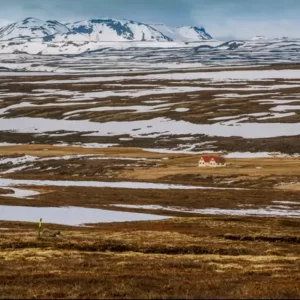
Finland: Glass Igloos and Lapland
Finland sells an experience more than a landscape. The glass igloo, where you watch the aurora from bed without leaving your room, is the reason people choose Finnish Lapland over Norway or Iceland.
Best viewing locations
- Saariselka and Ivalo: The core glass igloo and aurora cabin region, with reliably dark, low light-pollution skies.
- Rovaniemi: More built up (it’s also the official home of Santa Claus), with easier access and day-trip aurora camps.
- Levi: A ski resort town that doubles as an aurora base, with gondola access to higher, clearer viewpoints.
Best months and what to expect
Late August through early April. Finland’s Lapland region gets some of the flattest, most open terrain of the countries on this list, which means fewer mountains blocking your view but also fewer dramatic foregrounds.
The verdict
Finland is right for travelers prioritizing comfort and a specific bucket-list experience over raw scenery. If watching the aurora from a heated glass ceiling without setting an alarm sounds better than standing on a fjord at midnight, this is your country.
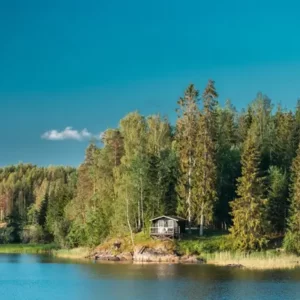
Sweden: The Quiet Alternative
Sweden’s Abisko National Park sits in a rain shadow created by nearby mountains, which genuinely gives it some of the clearest, most consistent skies in the aurora zone. It’s a strong pick for travelers who’ve already done Norway or Iceland and want somewhere quieter.

Best viewing locations
- Abisko: Home to the Aurora Sky Station, reachable by chairlift, and widely cited for having unusually stable weather.
- Kiruna: Sweden’s northernmost city, with an ice hotel and easy access to Abisko.
Best months and what to expect
September through March, with Abisko’s microclimate giving it an edge on clear-sky nights compared to the coastal weather of Norway or Iceland.
The verdict
Sweden suits repeat aurora chasers or anyone who wants fewer crowds and a scientifically-backed case for clear skies, without Norway’s fjord premium pricing.
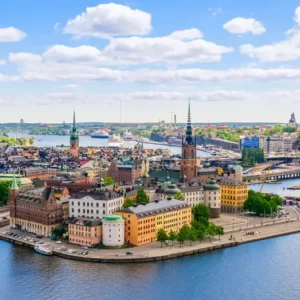
Canada: Yukon and Northwest Territories
For North American travelers, Canada’s Yukon and Northwest Territories are the closest thing to Norway’s wilderness feel without crossing the Atlantic.
Best viewing locations
- Yellowknife, Northwest Territories: Consistently ranked among the best aurora viewing spots worldwide, thanks to flat terrain, dry air, and dedicated aurora viewing domes.
- Whitehorse, Yukon: More accessible with direct flights from Vancouver, plus hot springs for post-viewing warm-ups.
Best months and what to expect
Mid-August through mid-April, with Yellowknife claiming some of the highest clear-night odds of any location on this list. Expect serious cold, often minus 20 Celsius or colder in midwinter.
The verdict
Canada is right for North American travelers who want Norway-level odds without the transatlantic flight, and don’t mind extreme cold in exchange for statistically strong viewing odds.
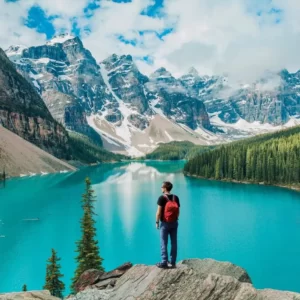
Greenland: Remote and Untouched
Greenland is the wildcard on this list, genuinely remote, minimally developed for tourism, and correspondingly free of light pollution and crowds.

Best viewing locations
- Kangerlussuaq: Greenland’s main international gateway and a common base for aurora tours.
- Ilulissat: Pairs aurora viewing with icebergs from the nearby Ilulissat Icefjord.
Best months and what to expect
September through early April. Flights are limited and often route through Iceland or Denmark, so factor in extra planning time and a higher budget than Norway or Iceland.
The verdict
Greenland is for travelers who’ve already done the accessible options and want something genuinely off the beaten path, with the tradeoff being cost and logistics.
Russia: For The Complete Tour
Murmansk and the Kola Peninsula sit well within the aurora zone and have historically been viable viewing regions. Given current travel restrictions and limited practical access for most international travelers, Russia is included here for completeness rather than as an active recommendation. Check current entry requirements carefully before considering it.
Alaska, USA: The Domestic Option
For US travelers who’d rather skip the passport altogether, Alaska is the strongest domestic pick among the best countries for aurora borealis viewing, even though it’s a state, not a country.
Best viewing locations
- Fairbanks: Sits directly under the auroral oval, giving it some of the most reliable viewing odds in North America.
- Chena Hot Springs: A resort near Fairbanks combining aurora viewing with geothermal soaking, similar in spirit to Iceland.
Best months and what to expect
Late August through mid-April, with Fairbanks reporting aurora activity on a significant share of clear nights during peak season.
The verdict
Alaska is right for US-based travelers who want strong odds without an international flight or passport, and who don’t mind Fairbanks’ deep winter cold.
Stay Found On Dark Arctic Roads
Reliable navigation data keeps you safe driving unlit rural roads at night
Staying Connected While Chasing Auroras
Every destination on this list shares one practical problem: the best viewing spots are remote by design. Light pollution kills aurora visibility, which means you’re often driving unlit roads well outside city coverage, in places like Abisko, Yellowknife, or Iceland’s Snaefellsnes Peninsula, where a dead phone signal is more than an inconvenience.
Three things you’ll actually need data for on an aurora trip:
- Aurora forecast apps: Kp-index trackers and cloud cover maps update in real time, and you’ll want to check them from the car before committing to a viewpoint.
- Navigation on dark roads: Rural roads in Lapland, the Yukon, and northern Norway are often unlit, with limited cell coverage from your home carrier and expensive roaming rates if it does connect.
- Sharing results in real time: Aurora displays move fast, and travelers often want to post or send photos to family while still standing outside in the cold.
Roaming with your home carrier across five or six different countries on a single trip, say Norway, Sweden, and Finland in one loop, gets expensive fast, and coverage gaps are common in the exact rural areas where auroras are best seen. A Voye Global eSIM lets you activate data instantly in each destination country before you land, without swapping a physical SIM card in freezing temperatures or hunting for a local shop in Tromso or Fairbanks. For multi-country aurora trips, checking regional eSIM plans covering the Nordic countries in one plan can be simpler than buying separate country plans for Norway, Sweden, and Finland.
If your aurora trip is one stop on a longer Europe itinerary, it’s also worth looking at broader seasonal guides like best countries to visit in April or best European countries to visit in May for planning the rest of your route, and comparing pocket WiFi vs eSIM if you’re still deciding how to stay online across multiple countries.
Which Country Should You Actually Pick?

If scenery is the priority, choose Norway. If ease of planning and a shorter trip window matter more, choose Iceland. If a specific bucket-list experience like a glass igloo is the deciding factor, choose Finland. Sweden, Canada, Alaska, and Greenland are strong picks once you’ve ruled out the big three for a specific reason: quieter skies, no transatlantic flight, or a genuinely remote experience.
Whichever destination you land on among the best countries for aurora borealis viewing, build in at least three nights for cloud cover, and sort out connectivity before you land so a forecast app or a dark rural road doesn’t become the thing that costs you the shot.

Frequently Asked Questions
Norway is often considered the best overall for its dramatic fjord scenery, while Iceland offers the easiest access and Finland provides a unique glass igloo experience. The right choice among the best countries for aurora borealis depends on whether you prioritize scenery, convenience, or a specific bucket-list stay.
Fairbanks, Alaska is the strongest US location, sitting directly under the auroral oval with reliable viewing odds from late August through mid-April. Chena Hot Springs near Fairbanks adds geothermal soaking to the experience, similar to Iceland’s hot spring pairing.
September through March is the core window across most aurora destinations, with the equinox months of late September and late March often producing the strongest activity. Longer, darker nights in December and January also improve viewing odds in Iceland, Norway, and Finland.
Iceland is more accessible with shorter flights and compact geography, letting you drive to clearer skies quickly, plus geothermal hot springs as a bonus. Norway offers more dramatic fjord scenery but requires more planning and typically a longer, colder trip.
Fairbanks reports aurora activity on a significant share of clear nights during peak season from late August to April, making it one of the more reliable spots in North America. Staying multiple nights and getting away from city lights improves your odds further.
Late August through early April covers the aurora season across Norway, Iceland, Finland, Sweden, Canada, Greenland, and Alaska. Peak activity tends to cluster around the September and March equinoxes, combined with the longest, darkest nights in December and January.
Rarely, and only during unusually strong geomagnetic storms that push the auroral oval further south into states like Minnesota, Michigan, or Maine. For reliable viewing without international travel, Alaska remains the only consistent US option among the best countries for aurora borealis.
Canada’s Yukon and Northwest Territories, along with Alaska, tend to be more affordable than Norway or Iceland for US travelers, avoiding transatlantic flights entirely. Within Europe, Sweden’s Abisko region is often cheaper than Norway’s Tromso for similar viewing odds.
Seamless Mobile Data Everywhere











 English