




The FIFA World Cup in the United States is more than just a football tournament. It is a chance to experience the size, diversity, and energy of one of the world’s biggest travel destinations while following your favorite teams from city to city. Fans arriving from different parts of the world will quickly realize that traveling across the USA is very different from moving between cities in smaller countries. Distances are massive, transportation options vary by region, and planning can make the entire experience far more enjoyable.
Whether you are visiting famous stadiums on the East Coast, heading to vibrant Southern cities, or exploring the West Coast between matches, understanding how to move efficiently will save you time, money, and stress. From domestic flights and high-speed rail corridors to buses, rental cars, and airport transfers, every transport option offers something unique for football fans.
Understanding the Scale of Travel in the USA
One of the first things international visitors should understand is the enormous geographical size of the United States. Unlike many countries where traveling between major cities takes just a few hours by train, journeys in the USA can sometimes involve cross-country flights lasting five to six hours. A trip from New York to Los Angeles, for example, covers almost the same distance as traveling across several European countries.
Cross City Connectivity
Discover uninterrupted mobile connectivity while exploring FIFA World Cup cities across America.
Because of these distances, transport planning becomes a key part of the World Cup experience. Fans who want to attend multiple matches in different cities should build a travel schedule early. Booking transportation and accommodations ahead of time can help avoid inflated prices during the tournament period.
The USA also offers a wide variety of transportation systems. Some cities have excellent public transit networks, while others are heavily dependent on cars and ride-sharing. Understanding what works best in each destination will help fans travel smoothly during the tournament.
Domestic Flights Will Be the Fastest Option
For most long-distance travel between World Cup cities, domestic flights will be the quickest and most practical option. The United States has one of the busiest aviation systems in the world, connecting major tournament destinations through hundreds of daily flights.
Travelers moving between cities such as Miami, Dallas, Los Angeles, Seattle, Atlanta, Boston, and New York will likely depend on air travel. Flights are especially useful when matches are scheduled close together in cities separated by large distances.
To make flying easier during the tournament, travelers should:
- Book flights several months before the tournament begins
- Choose airports close to city centers whenever possible
- Allow extra time for security checks and crowded terminals
- Keep digital boarding passes and match tickets easily accessible
Most major airports in World Cup host cities are well connected to downtown districts through trains, metro systems, or shuttle services. However, airport traffic can become extremely busy during major sporting events, so arriving early is always recommended.
Train Travel Between Major Corridors
Train travel is highly efficient in the Northeast Corridor – connecting Boston, New York, Philadelphia, and Washington D.C. – where rail is often faster than flying. However, outside of this specific region, passenger trains are less frequent and significantly slower than domestic flights, making them a better choice for sightseeing than for tight match schedules.
Stations are usually located in city centers, reducing the need for long airport transfers. Trains also provide more comfort and flexibility for travelers carrying luggage or football merchandise.
Fans attending multiple matches along the East Coast may find rail travel particularly convenient. Instead of dealing with airport queues, passengers can board trains directly from downtown terminals and enjoy scenic urban journeys between cities.
Rail travel in other parts of the country is more limited, but some routes still offer comfortable experiences for tourists who want to enjoy the landscape while moving between destinations. Travelers should remember that long-distance trains in the USA are often slower than domestic flights, making them better suited for relaxed travel schedules.
Buses Offer Budget Friendly Transportation
For football fans looking to manage expenses during the tournament, intercity buses can be one of the most affordable ways to travel between nearby host cities. Bus networks in the United States cover a large number of urban destinations and can be especially useful for short and medium-distance routes.
Travelers moving between nearby cities in Texas, the Northeast, or the Southeast may find buses practical and economical. Many modern bus services include comfortable seating, onboard Wi Fi, charging ports, and luggage storage.
Bus travel may take longer than trains or flights, but it often provides significant savings for budget-conscious travelers. Overnight routes can also help reduce hotel costs while maximizing sightseeing opportunities during the tournament.
Fans using buses should keep schedules flexible because traffic conditions in large American cities can sometimes lead to delays. Booking early is also important during peak tournament periods when demand increases.
Renting a Car for Flexible Travel
Road trips are deeply connected to American travel culture, and renting a car can give football fans maximum flexibility while exploring the country during the World Cup. This option works especially well for travelers planning to visit multiple cities within the same region.
For example, fans attending matches across Texas or the West Coast may benefit from driving between destinations. A rental car allows visitors to stop at smaller towns, scenic attractions, restaurants, and landmarks along the way.
Renting a car offers freedom, but match-day logistics can be challenging. Parking at World Cup venues is often limited and requires expensive, pre-paid permits. Fans should consider driving to a peripheral transit hub and using a shuttle for the ‘final mile’ to the stadium to avoid hours of post-match traffic congestion.
International travelers should also prepare for regional driving differences. Some cities are highly walkable with excellent public transport, while others require driving for almost every activity. Navigation apps and mobile connectivity become extremely important for road travel during the tournament.
Public Transportation Inside Host Cities
Once fans arrive in a World Cup city, local transportation becomes the next major factor. Fortunately, many major American cities offer extensive public transit systems that make it easier to move between hotels, fan zones, restaurants, and stadiums.
While cities like New York, Chicago, and Washington, D.C. have extensive rail networks, many World Cup stadiums are located in suburban areas outside the main city center. In destinations like Dallas (Arlington) or San Francisco (Santa Clara), fans should expect to supplement public transit with rideshare services or dedicated tournament shuttles to reach the stadium gates.
Other cities may rely more heavily on buses, light rail systems, or ride-sharing services. Travelers should research local transportation options before arriving in each destination.
Using public transport during the World Cup has several advantages:
- Lower transportation costs compared to taxis
- Easier access to crowded stadium districts
- Reduced stress during peak traffic periods
- Opportunities to experience local culture and neighborhoods
Many stadium areas may also introduce special shuttle services or temporary transport arrangements during tournament days. Fans should monitor local transit announcements regularly.
Saving Money While Traveling Between Cities
Attending multiple World Cup matches in the USA can become expensive quickly, especially when transportation costs are added to accommodation and ticket expenses. Smart planning can help fans stay within budget while still enjoying a memorable experience.
One of the best ways to save money is by booking transportation as early as possible. Prices for flights, trains, and hotels tend to rise sharply closer to major sporting events.
Travelers can also reduce costs by focusing on regional match schedules. Instead of crossing the country repeatedly, staying within one area for several games may lower overall travel expenses.
Flexible travel dates can make a major difference as well. Flying a day earlier or later than peak match traffic often results in cheaper fares and less crowded airports.
Budget travelers should also consider accommodations near public transit routes. Staying close to metro or train stations can eliminate the need for expensive taxis or rental cars.
Matchday Transport Planning
Buy reliable mobile data plans for smooth World Cup travel experiences today.
Airport Transfers and Arrival Tips
Arriving in a new city after a long journey can feel overwhelming, especially during an international sporting event with heavy crowds. Understanding airport transfer options ahead of time can make arrivals much smoother.
Most major World Cup cities offer several transportation choices from airports to downtown areas, including:
- Metro or train connections
- Airport shuttle buses
- Ride-sharing services
- Traditional taxis
- Rental car centers
Travelers should research the safest and fastest transfer option before landing. Some airports are located far from city centers, and traffic congestion can significantly increase travel times.
Keeping local transportation apps downloaded before arrival is highly recommended. Reliable mobile connectivity also helps travelers access digital tickets, hotel reservations, navigation tools, and emergency updates while moving between cities.
Staying Connected During the Tournament
Reliable internet access will play a major role in the World Cup travel experience. Fans will constantly depend on their phones for directions, transportation bookings, mobile payments, translation tools, and live match updates.
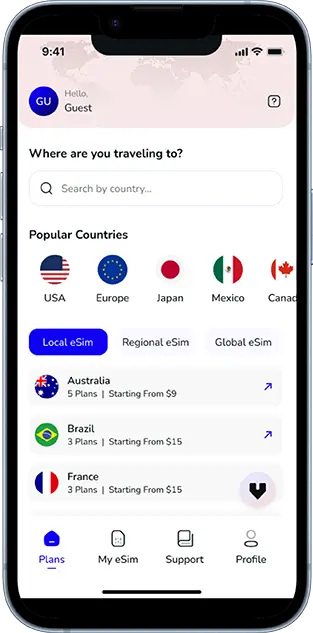
Using a travel-friendly eSIM is one of the easiest ways to stay connected throughout the tournament. Instead of searching for physical SIM cards after landing, travelers can activate mobile data before arrival and begin using maps and transport apps immediately.
Connectivity becomes especially valuable during transit delays, crowded stadium exits, or last-minute travel changes. Real-time updates can help fans react quickly and avoid unnecessary stress.
Choosing the Best Transportation Strategy

The ideal transportation strategy for the World Cup depends largely on personal travel style, budget, and match schedule. Some fans prioritize speed and convenience, while others want to explore the country slowly and enjoy the journey itself.
Travelers attending matches across distant regions should focus on efficient flight connections combined with strategic hotel planning. Fans staying within one region may benefit more from trains, buses, or rental cars.
Combining different transport methods is often the smartest approach. A traveler might fly between major regions, use trains for nearby cities, and rely on public transportation within urban centers.
Planning transportation around stadium locations is equally important. Some venues are easier to access through metro systems, while others may require driving or shuttle services.
Preparing for Match Day Transportation
Transportation becomes especially busy on match days. Roads near stadiums can experience heavy congestion, while metro systems and buses often become crowded with fans arriving at the same time.
Experienced travelers recommend arriving at stadium districts several hours before kickoff. This allows enough time for security checks, finding seats, and enjoying the atmosphere around fan zones.
Leaving immediately after a match can also create long delays. Many fans choose to spend extra time exploring nearby restaurants or public areas before returning to their hotels.
Keeping transportation plans flexible is one of the best ways to reduce stress during tournament travel. Unexpected schedule changes, weather conditions, and crowd management measures can all impact movement between venues.
Conclusion
Traveling between World Cup cities in the USA is an adventure that combines football, culture, and exploration on a massive scale. The country’s size and diversity create unforgettable experiences for international visitors, but they also make transportation planning an essential part of the journey. Fans who prepare early, understand regional travel differences, and choose the right mix of transportation options will enjoy a far smoother tournament experience.
From fast domestic flights and convenient East Coast trains to scenic road trips and budget-friendly buses, every travel method offers a different way to experience the excitement of the World Cup. With smart preparation, reliable connectivity, and flexible planning, football fans can focus less on logistics and more on enjoying every moment of the tournament across the United States. Travelers using a eSIM for FIFA from Voye Global can also stay connected throughout the journey, making navigation, digital ticket access, and real-time updates much easier while moving between World Cup cities.

Seamless Mobile Data Everywhere














 English