




You’re on deck, watching the coastline slowly disappear. The breeze feels different, the air smells like open water, and everything suddenly feels… far away.
And while you’re soaking in that moment, something else quietly shifts,
Your phone stops working the way you expect it to.
No alerts. No dramatic warning. Just a slow transition into a completely different kind of connectivity.
Let’s break down exactly what’s going on.
The Moment You Lose Land Signal
As your cruise ship moves farther from the coast, your phone gradually disconnects from land-based cellular towers. The signal weakens, data slows down, and eventually, you’re left without a reliable network.
At this point, your device starts searching for alternative connections, often shifting toward maritime or satellite networks. This transition is subtle, but it’s exactly when connectivity becomes limited, slower, and potentially more expensive if not managed properly.
Why Your Network Disappears?
Your phone depends on land-based cellular towers. Once your cruise ship moves far enough from shore, those towers are simply out of range.
What follows is a quick chain reaction:
- Signal bars drop suddenly.
- Mobile data becomes unstable or stops.
- Calls fail or don’t connect.
At this point, your phone is essentially “searching” for a network that no longer exists nearby.
Maritime Networks Take Over
Once your ship is beyond the reach of land-based towers, your phone may automatically connect to a maritime network supported by satellite systems. These networks are designed to provide basic connectivity in open waters, but they operate very differently from regular mobile networks.
Speeds can be slower, latency is higher, and most importantly, usage is often charged at premium rates. Even simple actions like refreshing an app or sending a message can consume costly data, making it important to stay aware of how your phone is connected.
Smooth Sailing with Data
Access maps, bookings, and apps easily throughout your cruise trip.
What Your Phone Connects to Instead?
Once you’re out at sea, your device may pick up a maritime or satellite-based network provided by the cruise ship.
You might notice unfamiliar network names like:
- “Cellular at Sea”
- “Maritime Network”
This is your phone switching from traditional infrastructure to satellite-supported connectivity.
The Hidden Cost of Staying Connected
Here’s where things get tricky:
- Data charges can be significantly higher than normal roaming.
- Calls and SMS may be billed at premium international rates.
- Background apps can quietly consume expensive data.
Even minimal usage can lead to unexpectedly high charges if you’re not careful.

Why Your Apps Start Acting Differently?
Once your connection shifts from stable land networks to limited or inconsistent maritime connectivity, your apps no longer function the way they normally do. Most apps are designed to rely on continuous, high-speed internet, something that isn’t always available at sea.
As a result, you may notice delays in messages, feeds that won’t refresh, and features that stop working altogether. Apps that depend on real-time data, like maps or streaming platforms, are usually the first to be affected.
However, apps with offline capabilities, such as downloaded content, notes, or your camera, continue to work without any issues. This shift highlights how dependent everyday apps are on strong connectivity, and why managing your internet usage becomes important during a cruise.
Limited Functionality at Sea
Without a stable internet connection:
- Messaging apps may stop sending or syncing.
- Social media feeds won’t refresh.
- Streaming services become unusable.
- Real-time apps like maps won’t function properly.
What Still Works?
Your phone isn’t completely useless, it just becomes more offline-oriented:
- Camera and videos work perfectly.
- Downloaded music, shows, or documents remain accessible.
- Notes, alarms, and basic tools function normally.
In a way, your phone shifts from a connected device to a personal utility tool.
The Real Risk: Unnoticed Roaming Charges
One of the biggest issues travelers face at sea isn’t losing connection, it’s being connected without realizing the cost.
When your phone links to a maritime network, background processes can continue using data silently. This includes app updates, email syncing, cloud backups, and location services. Even if you’re not actively using your phone, these functions can consume data and lead to unexpectedly high charges.
Because maritime and international roaming rates are significantly higher than standard plans, small usage can quickly add up. This is why managing your connectivity settings, such as enabling airplane mode or restricting background data, is essential to avoid unnecessary expenses during your trip.
Why Charges Happen Without You Realizing?
Many travelers assume they’re safe if they aren’t actively using their phone. That’s rarely true.
Background processes continue to run, such as:
- App updates.
- Email syncing.
- Cloud backups.
- Location services.
These can silently use data, even when your phone is idle.
The Simple Fix Most Experienced Travelers Use
To avoid this entirely:
- Switch on airplane mode as soon as the ship departs.
- Connect only to ship Wi-Fi if needed.
- Manually control when your phone accesses the internet.
It’s a small step that prevents a much bigger problem later.

Why This Is Really About Smarter Travel Planning?
What happens to your phone at sea is just one example of a larger pattern; travel doesn’t always work the way we expect it to.
Most people focus on the visible parts of a trip, like destinations, activities, and what to pack. But the experience is often shaped by smaller, less obvious details such as connectivity, accessibility, and day-to-day convenience.
Planning with these factors in mind helps avoid unnecessary stress, unexpected costs, and last-minute adjustments. It allows you to stay in control of your trip rather than reacting to problems as they arise.
In that sense, managing something as simple as your phone connection becomes part of a broader approach to traveling more efficiently and making better decisions throughout the journey.
Check out our plans
-

Cruise 1GB 7 Days
USD 29.00 -
Cruise 500MB 1 Day
USD 16.00 -
Cruise 3GB 30 Days
USD 49.00 -
Cruise 10GB 30 Days
USD 108.00 -
Cruise 5GB 30 Days
USD 70.00
Beyond Destinations and Itineraries
Most people plan trips around:
- Where they’re going.
- What they’ll wear.
- What they’ll do.
But often overlook:
- Connectivity limitations.
- Practical day-to-day logistics.
- Small decisions that impact the experience.
This is where preparation makes a noticeable difference.
Planning Smarter Makes the Experience Better
Understanding details like connectivity, packing efficiently, and anticipating real-world scenarios can completely change how smooth your trip feels.
Instead of just covering destinations, the focus is on:
- Practical travel readiness.
- Avoiding common mistakes.
- Making informed decisions before the trip even begins.
Because often, it’s the small, overlooked details that define the overall experience.
Why Choose Voye Global for Cruise Connectivity?
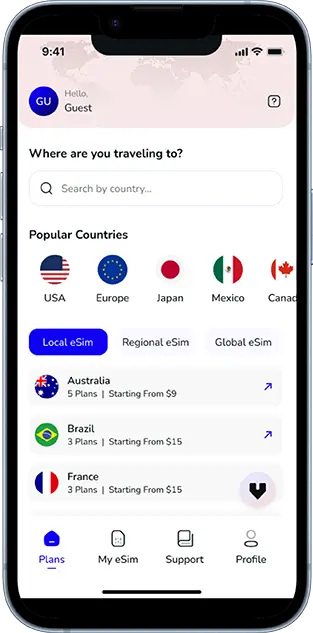
Voye Global is a leading international eSIM provider designed to keep travelers connected effortlessly.
Cruise ship Wi-Fi is often expensive and inconsistent, especially when the ship is far from shore. Relying solely on these networks can lead to slow speeds and high costs.
Voye Global offers a more efficient solution with its cruise eSIM data plan, designed specifically for travelers who want reliable connectivity without the usual limitations.
Reliable Coverage Across Sea and Ports
One of the biggest challenges during a cruise is maintaining consistent connectivity as you move between open waters and different destinations.
With Voye Global, you get:
- Coverage across 220+ cruise ships.
- Seamless connectivity both at sea and at port.
- Stable mobile data without constant network switching.
This ensures your connection remains consistent throughout your journey.
Cost-Effective and Transparent
Traditional maritime networks and onboard Wi-Fi packages can quickly become expensive, often without delivering the expected performance.
Voye Global’s cruise eSIM data plan provides:
- More affordable data options.
- Better value compared to ship Wi-Fi.
- Reduced risk of unexpected roaming charges.
Simple and Hassle-Free Setup
Staying connected shouldn’t require complicated steps.
With Voye Global:
- There’s no need to swap physical SIM cards.
- Activation is quick and straightforward.
- You can manage your data usage easily.
This allows you to focus on your trip instead of worrying about connectivity.
Designed for Modern Travel Needs
Whether you’re:
- Sharing moments in real time.
- Streaming during sea days.
- Staying in touch with family or work.
Voye Global ensures your connectivity supports your travel experience, rather than limiting it.
Smooth Sailing with Data
Access maps, bookings, and apps easily throughout your cruise trip.
Where Packing and Preparation Fit In
When connectivity becomes limited, what you’ve packed and how you’ve prepared start to matter much more than usual. Without constant internet access, you can’t rely on quick downloads, real-time searches, or last-minute fixes.
This is where thoughtful preparation makes a difference. Having essentials easily accessible, keeping important documents organized, and carrying items that don’t depend on connectivity, like offline entertainment or saved travel details, can make your experience smoother.
Packing isn’t just about what you bring; it’s about reducing dependency on things that may not always be available. A well-prepared traveler is less affected by disruptions and better equipped to handle the practical realities of being at sea.
Why What You Pack Still Matters?
When your phone connectivity is limited, what you’ve packed becomes more important than usual.
For example:
- Offline entertainment becomes essential
- Travel documents should be easily accessible
- Essentials should be kept in your day bag, not checked luggage
Smart packing complements smart planning, it ensures you’re not relying on connectivity for everything.
Small Mistake, Big Bill: The Roaming Trap
The moment your cruise ship leaves port, your phone quietly reminds you of one thing:
Travel changes the rules.
The more prepared you are for those changes, whether it’s connectivity, packing, or logistics, the more seamless your experience becomes.
And sometimes, it’s not about having more…
it’s about being prepared for what actually matters.
Seamless Mobile Data Everywhere














 English