




Ten days in Vietnam covers the full arc of the country: Hanoi’s chaotic street food culture in the north, the limestone karsts of Halong Bay, the lantern-lit streets of Hoi An, and the energy of Ho Chi Minh City in the south.
The country stretches more than 1,600 kilometers from north to south, making domestic flights essential for travelers with limited time. Fortunately, Vietnam’s air network is extensive, affordable, and efficient enough to make a north-to-south itinerary achievable within ten days.
This route follows the path that consistently works best for first-time visitors. You’ll start in Hanoi, spend a night in Halong Bay, continue to Central Vietnam for Hoi An and Da Nang, and finish in Ho Chi Minh City.
Before you leave, make sure you understand visa requirements, download essential travel apps, and arrange reliable mobile data. Vietnam is easy to navigate once you’re connected.
Entry Requirements for US and UK Travelers

Entry requirements differ slightly depending on your nationality.
UK Travelers
UK passport holders can enter Vietnam visa-free for short tourist visits. Your passport should have at least six months of validity remaining beyond your arrival date.
US Travelers
US travelers generally require a Vietnam e-Visa before arrival. Applications are completed online and should be submitted well before departure.
Arrival Tips
Immigration queues can be lengthy at both Hanoi’s Noi Bai International Airport and Ho Chi Minh City’s Tan Son Nhat Airport.
Having mobile data immediately after landing makes a significant difference. You’ll be able to access hotel bookings, transportation details, and navigation apps without relying on airport Wi-Fi.
Vietnam uses the Vietnamese Dong (VND). While cards are accepted at many hotels and larger restaurants, cash remains important throughout the country.
The Itinerary: Day by Day
This route follows a logical north-to-south progression:
- Days 1–2: Hanoi
- Day 3: Halong Bay
- Days 4–6: Hoi An
- Days 7–8: Da Nang
- Days 9–10: Ho Chi Minh City
Domestic flights connect the major destinations and save valuable time.
Days 1–2: Hanoi
Vietnam’s capital can feel overwhelming at first.
Thousands of motorbikes fill the streets, vendors operate from tiny storefronts, and the city seems to move at a pace unlike anywhere else.
Give it a day.
By the second morning, Hanoi begins to make sense.
Explore the Old Quarter
The Old Quarter remains the best place to base yourself.
Its historic streets were traditionally organized by trade, with individual streets specializing in products such as silk, metalwork, and herbs.
Today, the area is packed with cafés, restaurants, shops, and guesthouses.
Wake early and walk the streets before the city fully comes alive. Hanoi feels completely different at 7 a.m. compared to 7 p.m.
Hoan Kiem Lake
Located in the center of the city, Hoan Kiem Lake offers a calmer atmosphere.
Visit Ngoc Son Temple via the iconic red bridge and spend time watching locals practice tai chi around the waterfront.
Eat Hanoi’s Signature Dishes
Your first two days should revolve around food.
Prioritize:
- Bun Cha
- Pho
- Banh Mi
- Fresh spring rolls
- Egg coffee
Skip expensive international restaurants during your first visit. Hanoi’s best meals often come from modest establishments with plastic stools and crowded tables.
Temple of Literature
Founded in 1070, the Temple of Literature served as Vietnam’s first university.
Its peaceful courtyards and traditional architecture offer a welcome break from the city’s traffic and noise.
Day 3: Halong Bay
No first-time Vietnam itinerary feels complete without Halong Bay.
The UNESCO-listed bay contains thousands of limestone islands rising dramatically from emerald waters.
Overnight Cruise vs Day Trip
Choose an overnight cruise if possible.
Many visitors attempt a day trip from Hanoi, but the long travel time leaves limited opportunity to enjoy the bay.
An overnight cruise allows you to experience:
- Sunrise on the water
- Kayaking
- Cave exploration
- Evening activities onboard
- Less crowded viewing conditions
Cat Ba Island Alternative
Travelers looking for a quieter experience may prefer Cat Ba Island.
The scenery is similar, but the atmosphere feels more relaxed than the main cruise routes.
Kayaking
If there is one activity you should prioritize in Halong Bay, it is kayaking.
Paddling through hidden lagoons and beneath limestone cliffs offers perspectives unavailable from larger boats.
Landing in Da Nang? Start with Data.
Your Voye eSIM activates before you board. Navigate from Da Nang Airport to Hoi An with maps, ride-hailing apps, and booking confirmations ready the moment you land.
Days 4–6: Hoi An
Many travelers arrive in Hoi An intending to stay two nights and leave wishing they had booked four.
The town’s appeal is immediate.

Ancient Town
Hoi An’s UNESCO-listed Ancient Town remains one of Southeast Asia’s best-preserved historic trading ports.
Expect:
- Lantern-lined streets
- Traditional merchant houses
- Historic temples
- Riverside cafés
- Night markets
The best time to explore is early morning before tour groups arrive.
The second-best time is after sunset when lanterns illuminate the entire town.
Tailoring
Hoi An’s tailoring reputation is well deserved.
Custom shirts, dresses, jackets, and suits can often be completed within a couple of days.
Bring reference photos if you’re planning to have clothing made.
An Bang Beach
Located a short ride from the town center, An Bang Beach offers a welcome change of pace.
Spend an afternoon relaxing by the sea before returning to the Ancient Town for dinner.
My Son Sanctuary
A half-day trip to My Son reveals Vietnam’s ancient Cham heritage.
Often compared to a smaller version of Angkor Wat, the temple complex provides fascinating historical context beyond the country’s modern cities.
Marble Mountains
On the route between Hoi An and Da Nang, the Marble Mountains combine caves, temples, and panoramic viewpoints.
They’re worth a stop before continuing north.
Days 7–8: Da Nang
Da Nang is often treated as a transit city.
That is a mistake.
The city combines beaches, modern infrastructure, mountain scenery, and excellent food.
My Khe Beach
The beach stretches for miles and provides one of Vietnam’s most accessible coastal experiences.
The atmosphere is significantly more relaxed than many resort destinations elsewhere in Southeast Asia.
Dragon Bridge
Visit on a weekend evening if possible.
The bridge’s fire and water show has become one of Da Nang’s signature attractions.
Ba Na Hills and the Golden Bridge
The Golden Bridge, supported by giant stone hands, has become one of Vietnam’s most recognizable landmarks.
Arrive early to avoid peak crowds.
Han Market
For local shopping, Han Market offers a more authentic experience than many tourist-focused alternatives.
Days 9–10: Ho Chi Minh City

If Hanoi feels traditional, Ho Chi Minh City feels relentlessly modern.
The pace is faster.
The traffic is denser.
The energy is constant.
War Remnants Museum
This museum provides important historical context and is one of the most significant attractions in the country.
Plan at least two hours for your visit.
Cu Chi Tunnels
Located outside the city, the Cu Chi Tunnels offer insight into Vietnam’s wartime history.
Guided tours make the experience much easier to understand.
Ben Thanh Market
The city’s most famous market remains worth visiting, though bargaining is expected.
District 1
Most first-time visitors should stay in District 1.
It provides convenient access to major attractions, restaurants, rooftop bars, and transportation.
Bui Vien Walking Street
Those interested in nightlife should spend an evening exploring Bui Vien and the surrounding area.
The atmosphere is loud, energetic, and uniquely Ho Chi Minh City.
From Hanoi to Ho Chi Minh City — One eSIM Covers It All
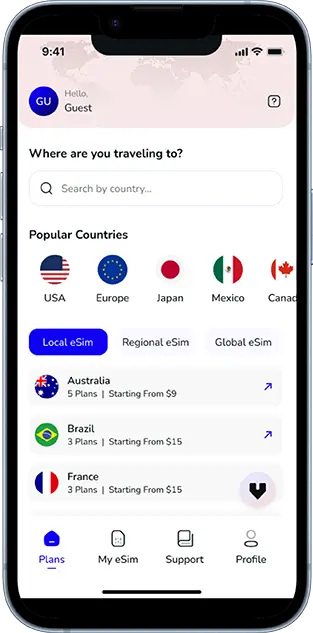
Vietnam is not covered by EU roaming arrangements, and international roaming fees can add up quickly. A Voye Vietnam eSIM keeps you connected across the entire country from the moment you arrive.
Getting Around Vietnam
Domestic Flights
For a 10-day trip, flights are essential.
They reduce travel time dramatically and allow you to see multiple regions without spending days on trains or buses.
Grab
Download Grab before arrival.
It is Vietnam’s most useful transportation app and removes the need to negotiate with taxi drivers.
Motorbike Taxis
For short urban journeys, motorbike taxis are often the fastest option.
Buses
Intercity buses remain affordable, though flights make more sense on a schedule this tight.
Voye eSIM: Staying Connected Across Vietnam

Vietnam is a highly connected travel destination, but staying connected requires planning.
Reliable data helps with:
- Grab rides
- Google Maps
- Translation apps
- Flight bookings
- Hotel reservations
- Restaurant searches
A Voye Vietnam eSIM activates before departure and keeps you connected throughout Hanoi, Halong Bay, Hoi An, Da Nang, and Ho Chi Minh City.
Benefits include:
- Fast setup via QR code
- Keep your primary number active
- Unrestricted hotspot sharing
- Coverage throughout major tourist regions
- 24/7 customer support

Practical Vietnam Tips for First-Timers
1. Carry Cash
Many small businesses still prefer cash payments.
2. Book Halong Bay Early
Quality cruise operators often sell out during peak travel periods.
3. Start Early
Vietnam can be extremely hot, particularly in central and southern regions.
4. Download Grab Before Arrival
This single app solves most transportation challenges.
5. Try Street Food
Some of the best meals in Vietnam come from the smallest establishments.
6. Learn to Cross the Road
Walk steadily and predictably. Traffic usually flows around pedestrians.
7. Stay Flexible
Vietnam rewards spontaneous decisions more than rigid schedules.
Frequently Asked Questions
Is 10 days enough for Vietnam?
Yes. Ten days allows first-time visitors to experience Hanoi, Halong Bay, Hoi An, Da Nang, and Ho Chi Minh City without feeling rushed.
What currency does Vietnam use?
Vietnam uses the Vietnamese Dong (VND).
Do cards work in Vietnam?
Cards are accepted at many hotels and larger businesses, but cash remains important.
How should I travel between cities?
Domestic flights are the most practical option for a 10-day itinerary.
Does my phone work in Vietnam?
Yes, but roaming charges can be expensive. A Vietnam eSIM is usually the more cost-effective option.
Conclusion

Ten days is enough to understand why Vietnam consistently ranks among the world’s most rewarding first-time travel destinations.
Hanoi introduces you to the country’s history, food, and energy. Halong Bay delivers the scenery you’ve seen in photographs. Hoi An slows the pace and provides some of Southeast Asia’s most atmospheric streets. Da Nang adds beaches and modern comforts, while Ho Chi Minh City ends the trip with a surge of energy that leaves a lasting impression.
You won’t see everything in ten days.
That’s the point.
A first trip to Vietnam should leave you wanting to return.
Seamless Mobile Data Everywhere














 English