




Planning for a cruise is exciting, but packing smart is what ensures a smooth and stress-free journey. While most travelers focus on clothing and travel documents, many overlook one crucial aspect of modern travel: staying connected.
A cruise is not just a vacation; it is a journey across multiple destinations, cultures, and experiences packed into one trip. From stepping onto the deck for the first time to exploring new cities at every port, every moment is planned with excitement. But behind a smooth experience is smart preparation. Packing right is not only about what you carry, but also how well you prepare for everything that comes your way during the journey.
From navigating ports to sharing moments in real time, connectivity plays a key role throughout your trip. Let’s walk through everything you should pack and how to stay prepared at every stage of your cruise.
The Classic Cruise Packing List
Packing for a cruise requires a balance between practicality and flexibility. Since you will be moving between destinations and activities, having the right essentials is key.
Most seasoned cruisers have the basics down. Here is what typically makes the list without much thought. These are the go-to items travelers rely on for every trip, forming the foundation of a well-packed suitcase. While these essentials cover the basics, they often do not account for the small details that can significantly improve your overall experience during the journey.
Documents and Travel Essentials
Your passport, boarding pass, travel insurance documents, and any visa paperwork for your ports of call should always be your starting point. Keep physical copies and digital backups stored separately. Losing either at a foreign port is a situation nobody wants to navigate.
Clothing for Every Occasion
Cruise packing is an art form. You need smart-casual outfits for dinner, comfortable daywear for port days, swimwear, and something slightly formal for special evenings onboard. Layers are essential, especially on Alaska or Northern Europe itineraries where temperatures shift dramatically between the deck and the shore.
Toiletries and Health Essentials
The health and comfort side of packing is where most experienced cruisers feel most prepared. A well-stocked kit typically includes:
- Personal hygiene products suited to your routine.
- Sunscreen and after-sun care, particularly for Caribbean and Mediterranean sailings.
- Motion sickness medication, whether prescription or over-the-counter.
- A basic first aid kit covering plasters, antiseptic, and pain relief.
These are the items that quietly save your trip when something goes slightly sideways on a shore day.
Smart Travel Add-ons That Make a Difference
Beyond the basics, a few smart additions can truly elevate your cruise experience. These are the items travelers often realize they need only after the trip has started. Adding them in advance can save time, reduce stress, and make your journey much more comfortable and efficient.
Portable Tech Essentials
- Power bank to keep devices charged through long port days.
- Universal travel adapter that works across your destination countries.
- Waterproof phone pouch for beach days and water excursions.
- Noise-cancelling headphones for sea days and long transfers.
Organisation Tools
- Packing cubes to maximise cabin storage and keep things tidy.
- Laundry bags to separate used clothing on longer voyages.
- Reusable water bottles to reduce single-use plastic and save money onboard.
All of this is sensible, well-considered packing. But even with every item above ticked off, most cruise packing lists still have a gap. A significant one.
Smooth Sailing with Data
Access maps, bookings, and apps easily throughout your cruise trip.
What Most Cruise Packing Lists Quietly Skip?
Here is the truth about cruising. You are going to want to be connected. Not just occasionally, constantly. You will want to navigate port cities without relying on downloaded maps that are three updates behind. You will want to video call family, share a sunset photo before the moment passes, and look up that restaurant recommendation someone mentioned at breakfast.
The assumption most first-time cruisers make is that the ship will sort it out. It will not. Not without a fight.
The Real Cost of Cruise Ship Wi-Fi
Onboard internet packages are notoriously expensive and frustratingly slow. Pricing often runs into hundreds of dollars for a week, with speed caps that make even basic browsing feel like dial-up. Add to that the fact that thousands of passengers are sharing the same satellite connection, and you have a recipe for constant buffering and dropped video calls.
What About Roaming?
Roaming at sea is even more unpredictable. Your home carrier may charge significant rates for maritime data, and coverage is inconsistent between ports and open water. You could arrive in Mykonos with a working signal and find yourself completely cut off two hours later mid-voyage.
This is the gap that a dedicated cruise data plan is built to solve.

Common Connectivity Mistakes Travelers Make
Even experienced travelers sometimes overlook connectivity planning, and it tends to catch them off guard at the worst possible moment.
Relying Only on Cruise Wi-Fi
It feels like the obvious solution because the ship provides it. But cruise Wi-Fi comes with real limitations that most passengers only discover after paying for it:
- Packages are expensive, often priced per day or per device.
- Speeds are limited and inconsistent, particularly in open water.
- Performance drops significantly when hundreds of passengers are online simultaneously.
Waiting Until Arrival to Figure It Out
Leaving connectivity planning until you board or reach your first port creates a different set of problems:
- Options become limited once you are already at sea.
- Local SIM cards at ports are rarely optimised for maritime use.
- Setup delays mean you lose connection during the early part of your trip when you need it most.
Planning in advance removes all of these frustrations entirely. Sorting your connectivity before departure means you board with everything already working, tested, and ready.
Why Connectivity Belongs at the Top of Your Packing List?
The Mediterranean, Caribbean, and Alaska are three of the world’s most photographed cruise routes. Every port is a content moment. Every sunrise over the water is worth sharing. Every map search for a local restaurant, taxi booking, or currency converter requires a signal.
Mediterranean Cruises
Ports like Barcelona, Rome, Santorini, Dubrovnik, and Istanbul are visually stunning and logistically complex. Getting from the port to the city centre, finding the right bus stop, or locating a hidden-gem restaurant all require reliable data. A patchy connection here is not just inconvenient, it can genuinely derail your shore time.
Caribbean Cruises
The Caribbean is all about spontaneity. Snorkelling spots, beach bars, and local markets are rarely pre-planned. You need a signal to explore freely, stay safe, and capture everything without scrambling for public Wi-Fi that may not exist outside the tourist zone.
Alaska Cruises
Alaska is remote by design. That is the appeal. But even in the wilderness, you will want to track glacier conditions, share wildlife sightings in real time, and stay in touch with people back home. A reliable data connection that works across ports and onboard is not a luxury here, it is a practical necessity.
Check out our plans
-

Cruise 10GB 30 Days
USD 108.00 -
Cruise 3GB 30 Days
USD 49.00 -
Cruise 1GB 7 Days
USD 29.00 -
Cruise 500MB 1 Day
USD 16.00 -
Cruise 5GB 30 Days
USD 70.00
Choosing the Right Cruise eSIM Data Plan
Not all connectivity solutions are built for life at sea. A standard travel data plan works on land but goes dark the moment your ship leaves port. What you need specifically is a cruise eSIM data plan, one that is designed to work aboard the ship itself using maritime cellular networks, not just at the ports you visit.
How Much Data Do You Actually Need?
This depends entirely on how you use your phone. Your data usage can vary based on activities such as browsing, using maps, checking emails, streaming videos, or staying active on social media. Travelers who rely on navigation, booking apps, and messaging will typically use moderate data, while those streaming content or uploading videos may require more. Understanding your daily habits and how often you plan to stay online will help you choose the right plan and avoid running out of data during your trip.
0.5GB for 1 day works for light users who just want messaging and basic maps during a short sailing window.
1GB for 7 days covers a week of moderate use, WhatsApp, emails, light browsing, and occasional social media.
3GB for 30 days is well suited for travellers who share photos regularly, use navigation daily, and join the occasional video call.
5GB for 30 days suits heavier users who stream music, post content consistently, or need to stay connected for work.
10GB for 30 days is the right choice for digital nomads, content creators, and anyone who does not want to think about data limits during a longer voyage.
Installation Takes Minutes
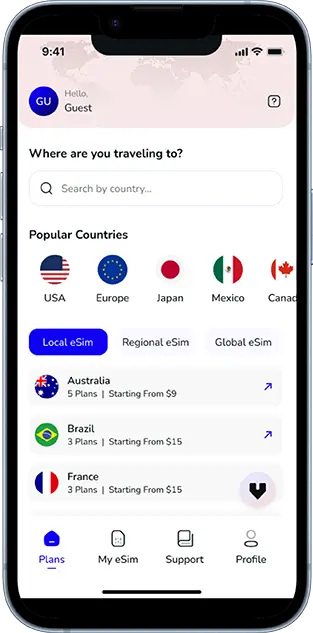
One of the biggest advantages of going digital is that there is nothing to collect at a port or carry in your wallet. You purchase your plan before you travel, receive a QR code, scan it on your device, and your connection is ready before you even step on board. No queuing. No SIM swapping. No hunting for a local store at a foreign port.

Stay Connected from Deck to Dock with Voye Global
When you are cruising across multiple destinations, staying connected should feel just as seamless as the journey itself.
Voye Global makes this possible by offering reliable connectivity wherever your cruise takes you. As an international eSIM provider, it ensures you stay connected the moment you step off the ship at any port.
Why Choose Voye Global for Your Cruise Journey?
The cruise plans are built specifically for maritime use, with coverage across more than 220 cruise ships from lines including Royal Caribbean, MSC, Carnival, Norwegian, Celebrity, Princess, Disney, and Holland America. This is not a general travel plan stretched to fit a cruise, it is a purpose-built cruise connectivity solution.
Pricing starts from $17 for a single day and scales up to $115 for 10GB over 30 days. There are no hidden renewal charges, no surprise billing, and no speed throttling dressed up as fair use. Transparent, straightforward, and genuinely affordable compared to anything the ship is selling.
Your existing SIM card stays active alongside the Voye plan, so your regular number remains reachable for calls and texts while Voye handles your data. The setup takes about three minutes and can be completed from home before you travel.
Perhaps the smartest feature is the ability to test your plan before departure. You know it works before you need it to work, which quietly removes one of the last remaining anxieties from the pre-cruise checklist.
No More Roaming on Cruises
Use eSIM to stay connected across all your cruise destinations.
Your Updated Cruise Packing List, In the Right Order
Before you zip up the suitcase, here is the list reordered to reflect what actually matters:
1. Cruise connectivity sorted: Plan purchased, QR code scanned, tested at home before departure
2. Travel documents: Passport, boarding pass, insurance, visas
3. Toiletries and health essentials: Prescriptions, motion sickness medication, sunscreen, first aid kit
4. Clothing for every occasion: Layered, versatile, and port-appropriate
5. Tech and gadgets: Adapter, power bank, waterproof pouch, noise-cancelling headphones
6. Organisation tools: Packing cubes, laundry bags, reusable water bottle
The list has not changed much. It has just been put in the right order.
Bags Packed, Signal Sorted, Now You Are Actually Ready
A cruise should feel effortless. The whole point is to wake up somewhere new, explore without a plan, and come home with stories worth telling. None of that happens the way it should if you spend shore time hunting for Wi-Fi or staring at a loading screen while the ship’s overpriced internet package drains your budget.
Sorting your connectivity before you leave is one of the simplest upgrades you can make to the entire trip. It costs less than a single dinner onboard, takes minutes to set up, and quietly improves every single day of the voyage.
Pack smart. Sail connected.
Seamless Mobile Data Everywhere














 English