




Immigrating to another country is a life changing decision. Whether you are aiming to grow your career, pursue education, reunite with family, or settle permanently, the first and most important step is choosing the right visa. Understanding immigration visa types before starting the application process can save time, money, and stress. Many applications are delayed or rejected simply because applicants apply under the wrong category.
This comprehensive guide explains the four main types of immigration visas: Work visas, Study visas, Family visas, and Permanent Residency (PR). It is written for beginners, with simple language, clear structure, and practical insights to help you make informed decisions.
What Is an Immigration Visa?
An immigration visa is an official authorization that allows a foreign national to enter, stay, and sometimes work or study in another country for a specific purpose and duration. Each visa type is designed for a different goal, such as employment, education, family reunification, or long term settlement.
Before choosing a visa, it is important to clearly define your purpose for moving. Immigration authorities assess applications based on intent, eligibility, and compliance with their rules.
Work Visas
What Is a Work Visa?
A work visa allows foreign nationals to legally work in another country for a specific employer, job role, or industry. In most cases, applicants must secure a job offer before applying.
Work visas are often temporary but can lead to permanent residency in some countries.
Who Is Eligible for a Work Visa?
Eligibility criteria vary by country, but most work visas require:
- A valid job offer from an approved employer
- Relevant education, skills, or work experience
- Proof of language proficiency in some cases
- Health and background checks
- Employer sponsorship or labor market approval
Highly skilled professionals are usually given priority.
Common Types of Work Visas
- Skilled work visas for professionals in high demand fields
- Temporary work visas for short term or seasonal roles
- Intra company transfer visas for employees moving within the same organization
- Freelancer or self employed visas in select countries
- Post study work visas for international graduates
Validity and Renewal
- Typically valid from 1 to 5 years
- Renewable depending on employment status
- Some visas allow a transition to PR after meeting criteria
Key Benefits
- Legal authorization to work
- Potential pathway to permanent residency
- Opportunity to gain international experience
- Often allows dependent family members
Limitations
- Tied to a specific employer or job role
- Job loss can affect visa status
- Lengthy application and approval process
Travel Without Network Gaps
Stay online during immigration steps, appointments, and border crossings.
Study Visas
What Is a Study Visa?
A study visa allows international students to pursue education in a foreign country. It is issued for the duration of the academic program and may include limited work rights.
Study visas are popular among students aiming for global exposure and future career opportunities.
Who Is Eligible for a Study Visa?
To qualify, applicants usually need:
- Admission offer from a recognized educational institution
- Proof of sufficient funds for tuition and living expenses
- Academic transcripts and certificates
- Proof of language proficiency
- Health insurance and medical clearance
Common Types of Study Visas
- Undergraduate student visas
- Postgraduate or master’s visas
- Doctoral or research visas
- Vocational and diploma course visas
- Exchange program visas
Validity and Renewal
- Valid for the length of the study program
- Renewable if course duration is extended
- Grace period often provided after graduation
Key Benefits
- Access to quality education
- Limited work rights in many countries
- Eligibility for post study work visas
- Cultural exposure and networking opportunities
Limitations
- Restricted working hours
- Requires proof of continuous enrollment
- Does not directly guarantee permanent residency
Family Visas
What Is a Family Visa?
A family visa allows individuals to join close family members who are citizens or legal residents of another country. It supports family reunification and long term stability.
Who Is Eligible for a Family Visa?
Eligibility depends on the relationship and sponsor status. Common requirements include:
- Proof of genuine family relationship
- Sponsor meeting income or accommodation requirements
- Marriage or birth certificates
- Background and health checks
Common Types of Family Visas
- Spouse or partner visas
- Dependent child visas
- Parent visas
- Fiancé or prospective marriage visas
- Dependent relative visas
Validity and Renewal
- Initial validity ranges from 1 to 3 years
- Renewable upon meeting relationship conditions
- Often leads to permanent residency
Key Benefits
- Right to live with family members
- Work and study rights in many cases
- Clear pathway to PR and citizenship
Limitations
- Long processing times
- Strict documentation requirements
- Relationship scrutiny by authorities
Prepare, Apply, Travel Connected
Avoid roaming issues while managing visas and overseas transitions.
Permanent Residency (PR)
What Is Permanent Residency?
Permanent residency allows individuals to live, work, and study indefinitely in a country without being a citizen. PR holders enjoy many rights similar to citizens, except voting and holding certain public offices.
PR is often the ultimate goal for migrants seeking long term settlement.
Who Is Eligible for PR?
Eligibility varies widely but often includes:
- Skilled professionals meeting points based criteria
- International graduates with local work experience
- Family members of citizens or PR holders
- Refugees and humanitarian applicants
- Investors or entrepreneurs
Common PR Pathways
- Points based skilled migration programs
- Employer sponsored PR visas
- Family sponsored PR visas
- Business and investor programs
- Transition from temporary visas
Validity and Renewal
- PR status is indefinite
- Travel validity usually 5 years
- Renewable as long as residency obligations are met
Key Benefits
- Freedom to live and work permanently
- Access to public healthcare and benefits
- Easier travel and re entry
- Pathway to citizenship
Limitations
- High eligibility standards
- Competitive selection systems
- Lengthy processing times
Comparison Table of Immigration Visa Types
| Visa Type | Purpose | Typical Validity | Work Rights | Path to PR |
|---|---|---|---|---|
| Work Visa | Employment | 1 to 5 years | Yes | Often |
| Study Visa | Education | Course duration | Limited | Indirect |
| Family Visa | Family reunification | 1 to 3 years | Yes | Yes |
| Permanent Residency | Long term settlement | Indefinite | Yes | Citizenship eligible |
Common Mistakes When Choosing a Visa
Many applicants make avoidable mistakes that lead to delays or refusals. Common errors include:
- Applying for a study visa when the real intent is employment
- Choosing a short term visa with no PR pathway despite long term goals
- Underestimating financial requirements
- Ignoring country specific eligibility criteria
- Submitting incomplete or inconsistent documents
Understanding your end goal is essential before selecting a visa category.
How Immigration Rules Vary by Country
Immigration policies differ significantly across countries. Here is a brief overview:
United States
- Strong emphasis on employer sponsorship
- Limited points based options
- Family based immigration is prominent
Canada
- Transparent points based systems
- Clear pathways from study and work to PR
- Provincial nomination programs available
United Kingdom
- Points based immigration framework
- Skilled Worker and Student routes are common
- Settlement options depend on visa type
Australia
- Skill focused migration system
- Strong demand occupation lists
- Clear PR pathways for skilled migrants
Always check official government sources, as rules change frequently.
Practical Tips to Choose the Right Visa
When deciding which visa to apply for, consider the following:
- Career goals: Work visas and skilled PR pathways suit long term professionals
- Education plans: Study visas are ideal for gaining international qualifications
- Family priorities: Family visas offer stability and long term settlement
- Settlement goals: Choose visas that align with permanent residency plans
- Budget and timelines: Some visas require higher financial proof and longer processing
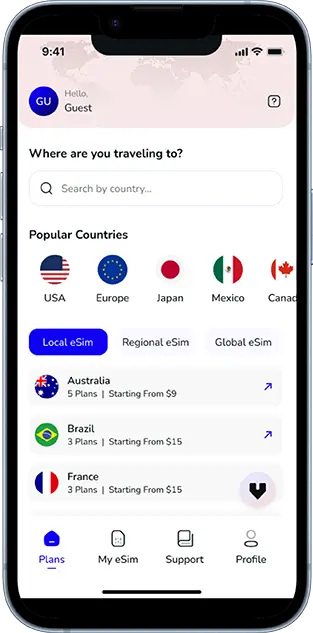
Staying organized is also important. Reliable mobile connectivity, such as using an eSIM, helps applicants stay connected during embassy interviews, upload documents securely, attend virtual appointments, and manage travel without disruptions.
Conclusion and Next Steps
Choosing the right immigration visa is the foundation of a successful migration journey. Work visas, study visas, family visas, and permanent residency each serve different purposes and come with unique benefits and limitations. By understanding eligibility requirements, validity periods, and long term pathways, applicants can avoid costly mistakes.
Next steps for applicants:
- Clearly define your short term and long term goals
- Research country specific immigration programs
- Prepare documents early and accurately
- Seek professional guidance if needed
- Stay updated on policy changes
With the right preparation and visa choice, the immigration process becomes clearer, smoother, and far more achievable.

Seamless Mobile Data Everywhere














 English