




Malaysia is one of Southeast Asia’s most vibrant travel destinations, offering a rich blend of cultures, cuisines, landscapes, and traditions. From the modern skyline of Kuala Lumpur to the tranquil beaches of Langkawi and the lush rainforests of Borneo, the country provides an experience that feels both diverse and deeply rooted in heritage. However, what truly sets Malaysia apart is its multicultural society, shaped by Malay, Chinese, Indian, and indigenous influences. This diversity also means that social norms and expectations can vary, making cultural awareness especially important for visitors.
For travelers, understanding what not to do in Malaysia is just as important as knowing what to see. Respecting local customs, following laws, and being mindful of etiquette will not only help you avoid trouble but also ensure a more meaningful and enjoyable trip. This guide walks you through essential things to avoid as a tourist in Malaysia, helping you navigate the country with confidence and respect.
Understanding Malaysian Culture and Social Etiquette
Malaysia is a predominantly Muslim country, although it embraces multiple religions and traditions. Because of this, cultural sensitivity plays a major role in everyday interactions. One of the most important things to remember is how you use your hands. The left hand is traditionally considered unclean, so you should avoid using it to eat, pass items, or greet others. Always use your right hand or both hands together when offering or receiving something.
Stay Connected in Malaysia
Enjoy seamless data connectivity across Malaysia without physical SIM hassle.
Public displays of affection are another area where travelers should exercise caution. While holding hands may be acceptable in some urban areas, kissing or hugging in public is generally frowned upon. This is especially true in conservative regions and religious spaces, where such behavior can be seen as disrespectful.
Body language also matters. Pointing directly at someone with your index finger is considered rude. Instead, use your thumb with your fingers folded or gesture with an open hand. Similarly, avoid touching someone’s head, even children, as the head is viewed as a sacred part of the body in many Asian cultures.
Raising your voice or showing anger in public is discouraged. Malaysians value harmony and politeness, so maintaining a calm and respectful tone will go a long way in making positive impressions.
Dress Code Expectations Across Different Settings
Malaysia’s tropical climate may tempt travelers to dress lightly, but modest clothing is often expected, particularly outside tourist hotspots. When visiting religious sites such as mosques, temples, or shrines, both men and women should cover their shoulders and knees. In many mosques, robes or scarves are provided, but it is always better to come prepared.
Even in cities, overly revealing clothing can attract unwanted attention or be considered inappropriate. In rural areas, conservative dress is even more important. Lightweight, breathable fabrics that provide coverage are ideal for staying comfortable while respecting local norms.
Beachwear is acceptable at resorts and designated beach areas, but it should not be worn in towns, restaurants, or public transport. Changing into appropriate attire before leaving the beach is a simple way to show cultural respect.
Avoiding Sensitive Topics in Conversations
Malaysia’s multicultural society is harmonious but sensitive when it comes to certain topics. Discussions about politics, religion, and race relations should be approached with caution or avoided altogether. These subjects can be complex and deeply personal, and expressing strong opinions may unintentionally offend locals.
Instead, focus on neutral and positive topics such as food, travel experiences, and cultural traditions. Malaysians are generally friendly and welcoming, and engaging in respectful conversation can lead to meaningful connections.
Dining Etiquette and Social Interactions
Food is a central part of Malaysian culture, and dining etiquette reflects local traditions. When eating with your hands, which is common in some settings, always use your right hand. If utensils are provided, you can use them comfortably, but the right-hand rule still applies when passing dishes or sharing food.
When meeting someone for the first time, avoid assuming a handshake is appropriate, especially with someone of the opposite gender. A polite nod or slight bow is often a safer option. If a handshake is offered, it is acceptable to reciprocate.
Tipping is not a common practice in Malaysia. Many restaurants include a service charge in the bill, so additional tipping is not expected. In hawker stalls and casual eateries, tipping is generally unnecessary.
Alcohol is available in many cities and resorts, but it is heavily taxed and can be quite expensive. It is not widely consumed by the Muslim community, so be mindful of your surroundings. While common in Kuala Lumpur, alcohol is much more restricted in conservative states like Kelantan and Terengganu.
Check out our plans
-

Malaysia 7 Days 5GB
USD 9.00 -
Malaysia 7 Days Unlimited
USD 13.00 -
Malaysia 15 Days 8GB
USD 15.00 -
Malaysia 15 Days Unlimited
USD 23.00 -
Malaysia 30 Days 15GB
USD 21.00 -
Malaysia 30 Days Unlimited
USD 39.00
Safety Tips and Common Tourist Mistakes
While Malaysia is generally safe for travelers, there are a few precautions to keep in mind. Be cautious of scams, especially in busy tourist areas. Strangers may approach you with offers of games, tours, or deals that seem too good to be true. Politely decline and rely on trusted sources for bookings and recommendations.
When using public transport like the LRT or MRT in Kuala Lumpur, remember that eating and drinking are strictly prohibited on trains and inside stations. Even finishing a small snack or a bottle of water can result in an on-the-spot fine.
Pickpocketing can occur in crowded places, so keep your belongings secure. Using a crossbody bag and avoiding displaying valuables can reduce risks.
Certain regions, such as parts of East Sabah, have travel advisories due to safety concerns. It is best to check official guidelines and avoid non-essential travel to these areas.
Respecting Religious Practices and Spaces
Religion plays an important role in Malaysian life, and visitors should be mindful when entering places of worship. Remove your shoes before entering temples or mosques, and follow any posted guidelines. Photography may be restricted in some areas, so always ask for permission if unsure.
During the holy month of Ramadan, Muslims fast from sunrise to sunset. While non-Muslims are not required to fast, it is respectful to avoid eating, drinking, or smoking in public during daylight hours in predominantly Muslim areas.
Understanding these practices not only helps you avoid mistakes but also enriches your travel experience by allowing you to appreciate local traditions more deeply.
Staying Connected and Travel Preparedness

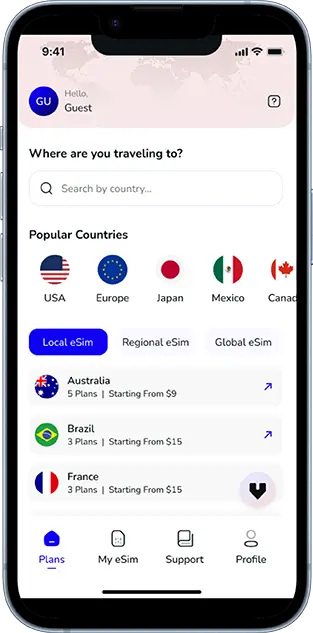
Modern travel requires staying connected, whether for navigation, communication, or bookings. Using an eSIM in Malaysia can make your journey smoother by providing reliable internet access without the hassle of physical SIM cards. Voye Global offers a convenient eSIM for Malaysia, allowing you to stay online from the moment you arrive.
Having access to maps, translation apps, and travel information can help you navigate cultural nuances and avoid potential misunderstandings. It also ensures that you can quickly access help or directions if needed.
Quick Reminders for a Respectful Trip
- Use your right hand for eating, greeting, and exchanging items
- Dress modestly, especially in religious and rural areas
- Avoid public displays of affection
- Stay away from drugs and prohibited items
- Respect local customs and religious practices
- Be cautious with conversations about politics, religion, and race
- Keep track of your visa and travel documents
Conclusion
Traveling to Malaysia is an enriching experience that offers a unique blend of culture, history, and natural beauty. However, being aware of what not to do is essential for making the most of your trip. By respecting local customs, following laws, and practicing good etiquette, you can avoid misunderstandings and create positive interactions with locals.
Ultimately, responsible travel is about more than just avoiding mistakes. It is about embracing the culture, showing respect, and leaving a positive impression. With the right mindset and preparation, your journey through Malaysia can be both memorable and meaningful, allowing you to fully appreciate everything this incredible destination has to offer.

Seamless Mobile Data Everywhere













 English