




The Serengeti Great Migration is not just a safari. It’s one of the most extraordinary natural events on the planet.
Imagine standing on the African savannah as thousands of wildebeest stretch across the horizon. Dust rises into the air, zebras move alongside the herd, and distant predators watch from the grasslands. Then suddenly, the animals begin to run. What follows is one of nature’s most dramatic displays of survival.
Every year, more than 1.5 million wildebeest, accompanied by hundreds of thousands of zebras and gazelles, travel across Tanzania’s Serengeti ecosystem and Kenya’s Maasai Mara in search of fresh grazing land. Along the way, they encounter crocodile-filled rivers, hungry predators, and challenging terrain in a never-ending cycle that has continued for centuries.
For travelers from the United States and the United Kingdom, witnessing the Great Migration is often a once-in-a-lifetime experience. However, planning the perfect safari requires understanding where the migration will be during your visit and what type of experience you’re hoping to have.
Whether you’re dreaming of dramatic river crossings, incredible wildlife photography, or your first African safari adventure, this guide will help you plan the perfect Serengeti Great Migration trip in 2026.
A Serengeti safari is often the highlight of a broader African adventure. If you’re planning to explore more of the continent before or after your safari, our Africa Ultimate Travel Guide covers some of the best destinations, experiences, and travel tips for making the most of your journey across Africa.
What Is the Serengeti Great Migration?
The Great Migration is the world’s largest terrestrial wildlife movement.
Each year, approximately:
- 1.5 million wildebeest
- 300,000 zebras
- 500,000 gazelles
move through the Serengeti-Mara ecosystem following seasonal rainfall patterns and fresh grazing opportunities.
Unlike many natural events, the migration doesn’t have a fixed start or finish. Instead, it’s a continuous journey that follows a circular route through Tanzania and Kenya.
What makes the migration so remarkable is the scale of wildlife involved and the predator-prey interactions that unfold throughout the year. Lions, leopards, cheetahs, hyenas, crocodiles, and other predators closely follow the herds, creating extraordinary wildlife encounters.
Why the Serengeti Great Migration Should Be on Your Bucket List

Many safari destinations offer incredible wildlife viewing. The Serengeti offers something much bigger.
This is nature operating on a scale few places can match.
Visitors experience:
- Endless herds stretching across the plains
- Big Five wildlife encounters
- Dramatic predator action
- World-famous river crossings
- Stunning African landscapes
- Exceptional photography opportunities
For many travelers, seeing the migration is the closest thing to witnessing nature’s greatest live performance.
The Serengeti is undoubtedly one of Africa’s most famous wildlife destinations, but it is far from the only incredible safari experience on the continent. Travelers looking to expand their wildlife adventures can also explore other renowned reserves and conservation areas in our guide to Safari Parks and Adventures, which highlights some of the best safari experiences across Africa and beyond.
Understanding the Great Migration Calendar for 2026

One of the most common questions travelers ask is:
“When is the best time to visit the Serengeti?”
The answer depends entirely on what you want to experience.
January to March: Calving Season
The year begins in the southern Serengeti and Ndutu region.
This is one of the most exciting stages of the migration because it’s calving season.
During a short period, approximately 500,000 wildebeest calves are born.
The abundance of newborn animals attracts predators from across the region, creating exceptional wildlife viewing opportunities.
Why Visit During Calving Season?
- Thousands of newborn animals
- Excellent lion sightings
- Active cheetah populations
- Outstanding wildlife photography
- Fewer crowds than peak season
For photographers and wildlife enthusiasts, this is one of the best times to visit.
Explore Tanzania Without Roaming Fees
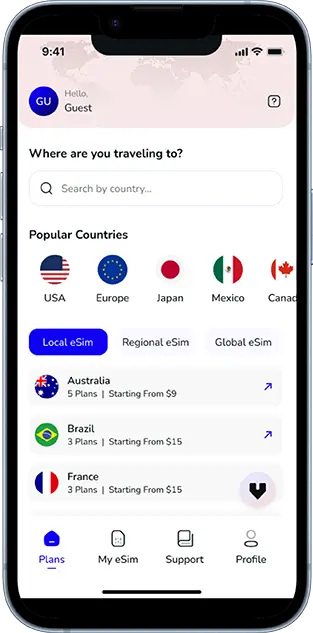
Stay connected throughout your safari adventure with reliable mobile data from Voye Global.
April to May: The Green Season
As seasonal rains arrive, the migration begins moving northwest through the Serengeti.
Many travelers overlook this period, but safari experts know it offers exceptional value.
The landscape transforms into a lush green paradise, accommodation rates often drop, and visitor numbers decrease significantly.
Why Consider the Green Season?
- Lower safari costs
- Fewer tourists
- Beautiful landscapes
- Excellent birdwatching
- More exclusive safari experiences
Travelers seeking value and flexibility often find this period surprisingly rewarding.
June to July: Western Corridor Adventures
By mid-year, the migration reaches the Western Corridor.
This stage is famous for the Grumeti River crossings.
While less famous than the Mara River crossings, these events still provide incredible wildlife drama as crocodiles patrol the waterways and predators remain close to the herds.
Why June and July Are Underrated
- Pleasant weather
- Excellent wildlife viewing
- Smaller crowds
- Great predator sightings
- Outstanding photography opportunities
Many safari veterans consider this one of the best times to experience the Serengeti.
August to October: The Famous Mara River Crossings
This is the stage most travelers dream about.
The migration reaches the northern Serengeti and prepares for the famous Mara River crossings.
Thousands of animals gather along the riverbanks, often hesitating before suddenly charging into crocodile-filled waters.
The crossings are dramatic, unpredictable, and unforgettable.
For an entirely different perspective on the Serengeti, many travelers choose to add a sunrise balloon safari to their itinerary. Floating silently above the plains offers breathtaking views of the migration, wildlife, and landscapes below. If unique aerial experiences interest you, take a look at our guide to the world’s most memorable Hot Air Balloon Rides.
Why River Crossings Are So Famous
The experience combines:
- Massive wildlife concentrations
- Predator encounters
- High-stakes survival drama
- Spectacular photography opportunities
For first-time safari travelers, this is often the most desirable time to visit.
However, it’s also the busiest period of the year, so early planning is essential.
November to December: The Return South

As seasonal rains return, the migration begins its journey back toward the southern Serengeti.
This season often flies under the radar but offers significant advantages.
Benefits of Visiting Late in the Year
- Lower visitor numbers
- Better accommodation availability
- Reduced costs
- Excellent wildlife viewing
- Beautiful green scenery
Travelers looking for a quieter safari experience should seriously consider this period.
Which Migration Season Is Right for You?
Best for First-Time Safari Travelers
August through October.
Best for Wildlife Photography
January through March.
Best for Budget-Conscious Travelers
April, May, and November.
Best for Big Cat Encounters
January through March.
Best for Avoiding Crowds
April, May, and November.
Choosing the right season is less about finding the “best” month and more about matching the experience to your travel goals.
Where to Stay During the Great Migration
One of the biggest mistakes travelers make is choosing accommodation without considering migration movements.
Many couples choose the Serengeti for a special celebration, honeymoon, or romantic getaway. If you’re looking for more affordable travel inspiration after your safari, our guide to Romantic Getaways Under USD 100 features memorable destinations that deliver incredible experiences without stretching your budget.
The Serengeti is vast, and staying in the correct region dramatically improves your safari experience.
Southern Serengeti
Best for:
- Calving season
- Predator activity
- January through March travel
Central Serengeti
Best for:
- First-time visitors
- Year-round wildlife viewing
- Flexible itineraries
Western Corridor
Best for:
- Grumeti River crossings
- June and July safaris
Northern Serengeti
Best for:
- Mara River crossings
- August through October visits
Mobile Migration Camps
For the ultimate migration experience, mobile camps relocate throughout the year to stay close to the herds.
These camps often provide some of the most immersive safari experiences available.
Beyond the Migration: Incredible Wildlife Year-Round

The migration may be the star attraction, but the Serengeti offers incredible wildlife throughout the year.
Visitors regularly encounter:
- Lions
- Leopards
- Elephants
- Buffalo
- Rhinos
- Cheetahs
- Hyenas
- Giraffes
- Hippos
- Crocodiles
The Serengeti remains one of Africa’s premier safari destinations regardless of migration timing.
If your African travel plans extend beyond Tanzania, Malawi is another destination worth considering. Known for its welcoming culture, beautiful landscapes, and stunning Lake Malawi, it offers a completely different side of Africa. Discover more in our Malawi Travel Adventure Guide.
Why Use a Voye Global eSIM for Tanzania?
Modern safari travel involves flights, lodge bookings, transfers, and multiple destinations.
Reliable connectivity makes everything easier.
A Voye Global eSIM for Tanzania allows travelers to stay connected from arrival to departure without searching for local SIM cards or paying expensive roaming fees.
Benefits of Voye Global eSIM
Instant Activation
Activate your eSIM before leaving home.
No Physical SIM Required
Keep your regular number while accessing local mobile data.
Reliable Coverage Across Tanzania
Stay connected in:
- Arusha
- Serengeti National Park
- Ngorongoro Conservation Area
- Zanzibar
- Dar es Salaam
Flexible Data Plans
Choose a package based on your safari length and travel needs.
How to Use a Voye Global eSIM
Step 1
Purchase your Tanzania eSIM plan.
Step 2
Receive your QR code via email.
Step 3
Install the eSIM before departure.
Step 4
Activate it when you arrive in Tanzania.
Step 5
Enjoy seamless connectivity throughout your safari adventure.
Stay Connected Wherever the Migration Takes You
Access maps, bookings, communication apps, and travel updates with Voye Global Tanzania eSIM.
Suggested 7-Day Serengeti Great Migration Itinerary
Day 1: Arrive in Arusha
Arrive in Tanzania and prepare for your safari adventure.
Day 2: Journey to the Serengeti
Transfer to the Serengeti and enjoy your first game drive.

Day 3: Full-Day Migration Safari
Spend the day following migration herds and searching for predators.
Day 4: Explore a New Region
Visit another part of the Serengeti based on migration movements.
Day 5: Wildlife Photography and Scenic Drives
Focus on wildlife encounters and capturing unforgettable moments.
Day 6: Ngorongoro Crater Excursion
Explore one of Africa’s most wildlife-rich destinations.
Day 7: Return to Arusha or Continue to Zanzibar
End your safari or extend your adventure with a beach escape.
What to Pack for a Serengeti Safari?
Clothing Essentials
- Neutral-colored shirts
- Lightweight trousers
- Warm jacket for morning game drives
- Comfortable walking shoes
Safari Equipment
- Binoculars
- Camera
- Spare batteries
- Power bank
- Travel adapter
Travel Essentials
- Passport
- Travel insurance
- Voye Global Tanzania eSIM
Common Planning Mistakes to Avoid

Booking Accommodation in the Wrong Region
Migration movements change throughout the year.
Waiting Too Long to Book
Popular safari camps often sell out months in advance.
Focusing Only on River Crossings
Every migration stage offers something unique.
Underestimating Distances
The Serengeti is enormous, and travel times can be longer than expected.
Forgetting Mobile Connectivity
Reliable data helps with communication, travel planning, and sharing your experience.
Before booking flights and accommodations, it’s important to ensure your travel documents are in order. Travelers from India planning an African safari can review our detailed guide on Visa Requirements for Indian Travelers, which provides useful information for international trip planning.
Your Tanzania Safari Starts Here
Stay connected throughout Tanzania with reliable mobile data from Voye Global eSIM.
Frequently Asked Questions
When is the best time to see the Serengeti Great Migration in 2026?
The best time depends on the type of migration experience you want. January through March is ideal for calving season and predator activity, while August through October is best for witnessing the famous Mara River crossings. June and July are excellent for Grumeti River crossings and fewer crowds.
Are Mara River crossings guaranteed?
No. Mara River crossings are natural events and cannot be predicted or guaranteed. Herds may wait for hours or days before crossing. However, visiting the northern Serengeti during peak migration season significantly improves your chances.
How many days do I need for a migration safari?
A minimum of four to five days is recommended, but seven days provides a more complete safari experience and greater flexibility to follow migration movements.
What animals can I see besides wildebeest during the migration?
Visitors commonly see lions, leopards, elephants, buffalo, rhinos, cheetahs, hyenas, giraffes, hippos, crocodiles, zebras, gazelles, and hundreds of bird species.
Is the Serengeti suitable for first-time safari travelers?
Yes. The Serengeti is one of Africa’s best safari destinations for beginners thanks to its excellent wildlife viewing, professional guides, and wide range of accommodation options.
Which Serengeti region is best for river crossings?
The Northern Serengeti is the best area for Mara River crossings, typically between August and October.
Can I combine a Serengeti safari with Zanzibar?
Absolutely. Many travelers combine a Serengeti safari with a few days in Zanzibar to enjoy beaches, culture, and relaxation after their wildlife adventure.
For travelers combining their safari with a coastal getaway, timing can make all the difference. Our guide to the Best Islands to Travel in August features stunning destinations for beach lovers and can help you decide where to unwind after your Serengeti adventure.
Why should I use an eSIM in Tanzania during my safari?
A Voye Global eSIM for Tanzania provides instant mobile data without the need for a physical SIM card. It helps travelers stay connected for lodge communication, navigation, travel planning, weather updates, and sharing safari memories.
Final Thoughts
The Serengeti Great Migration remains one of the most remarkable wildlife experiences on Earth. Whether you’re witnessing newborn calves during calving season, watching predators stalk the plains, or experiencing a dramatic Mara River crossing, every stage of the migration offers unforgettable moments.
The key to planning a successful safari in 2026 is understanding where the herds will be during your visit and selecting accommodations that place you close to the action.
After days spent watching wildlife roam the Serengeti, many travelers choose to continue their journey with a relaxing beach escape. If you’re searching for inspiration, our guide to the Best Islands to Visit highlights some of the world’s most beautiful island destinations that pair perfectly with an African safari adventure.
With the right planning, the perfect safari itinerary, and a Voye Global eSIM for Tanzania to keep you connected throughout your journey, you’ll be ready to experience one of nature’s greatest spectacles firsthand.

Seamless Mobile Data Everywhere











 English