




Planning your dream trip for 2026 but worried about overall costs? Travel is rewarding but can get expensive quickly as flights, hotels, food, activities, visas, and even unexpected expenses add up. The good news is that saving for your next adventure is achievable with the right plan and smart strategies. This complete guide explains simple, effective, and proven ways to save money for your 2026 trip. Whether you plan to visit Europe, Asia, the Middle East, the USA, or take a world tour, these steps will make your travel goals easier. You will also see how using a Voye Global eSIM helps you save significantly on roaming and connectivity expenses.
Why Start Saving Now for Your 2026 Trip?
Saving early gives you several advantages.
- More time means less pressure since savings accumulate naturally.
- You can book flights and hotels at lower prices months in advance.
- Early planning helps you create a realistic and achievable budget.
- Emergencies become manageable when you are financially prepared.
- You can benefit from favorable currency exchange rates by converting money early.
Step 1: Calculate How Much Your 2026 Trip Will Cost
Before saving, you must know your target. Here’s a breakdown of expenses to consider:
1. Flights
Depending on where you travel, flight costs vary dramatically.
Example budgets:
- Southeast Asia: $300–$700
- Europe: $600–$1200
- USA: $500–$1500
- Middle East: $250–$700
2. Accommodation
Costs depend on travel style:
- Hostels: $10–$40/night
- Budget hotels: $30–$90/night
- Mid-range: $90–$200/night
3. Daily Living Expenses
Include food, local transport, sightseeing, and more.
Daily average:
- Budget: $20–$50
- Mid-range: $50–$150
- Luxury: $150+
4. Visa Fees
Depending on destination:
- Schengen Visa: ~$85
- US Visa: ~$185
- Asian visas: $25–$50
5. Travel Insurance
Essential for international travel: $30–$100 depending on duration.
6. SIM or eSIM (Internet Access)
Traditional roaming can cost $10–$15/day, resulting in major expenses.
Using an international eSIM like Voye Global eSIM can drastically reduce the cost.
Step 2: Build a Savings Plan That Works
Once you have an approximate cost, divide it across months or weeks. For example, a $3000 trip over 12 months requires $250 per month or $8.30 per day. Breaking it down makes the goal easier to achieve.
Step 3: Open a Dedicated Travel Savings Account
A separate account keeps your travel fund safe from daily spending. It also allows you to track progress clearly. You can even name it something inspiring such as 2026 Europe Trip Fund. Setting up automatic transfers ensures consistency.
Global Coverage, Local Rates
Experience hassle-free connectivity wherever you go.
Step 4: Cut Unnecessary Expenses Without Feeling It
Small lifestyle changes create big savings.
Reduce eating out. If you spend $10 per day on takeout, switching to home cooked meals saves around $300 per month.
Cancel unused subscriptions such as extra streaming apps or forgotten memberships.
Make coffee at home. A daily $5 coffee becomes $150 per month.
Use cash back apps and reward credit cards for everyday purchases.
Buy essential items in bulk to reduce monthly spending.
Step 5: Track Your Expenses Consistently
You cannot save effectively without knowing where your money goes. Use tools like Notion, Google Sheets, Mint, Goodbudget, or YNAB to track categories such as food, transport, utilities, entertainment, subscriptions, and shopping. You will quickly discover areas to reduce or optimize.
Step 6: Boost Your Income with Easy Side Earnings
Increasing income speeds up your travel savings.
Freelancing on platforms like Upwork or Fiverr can add $200 to $1000 per month depending on your skills.
Sell unused items such as clothes, gadgets, or accessories.
Tutor online in subjects like languages, math, or music.
Take part time work on weekends.
Try micro jobs like surveys or app testing for quick earnings. Every bit helps.
Step 7: Use Travel Hacks to Reduce Overall Travel Costs
Smart hacks help you travel more while spending less.
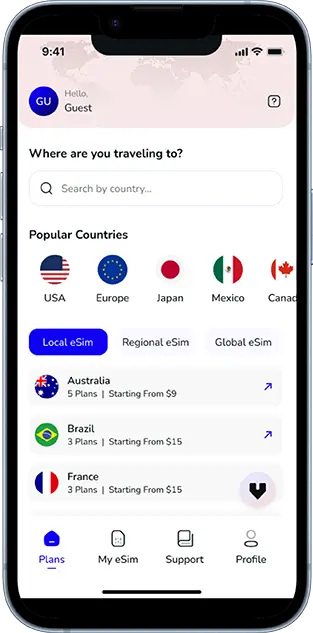
Travel Hack 1: Use a Voye Global eSIM to Save on Roaming
Traditional roaming is one of the biggest hidden travel expenses and usually costs $10 to $15 per day. In comparison, a Voye Global eSIM offers affordable international data without physical SIM swaps or long processes. You can activate it instantly and use low cost regional or global data plans across multiple countries. For example, a 14 day Europe trip might cost around $140 in roaming fees, whereas a Voye Global eSIM plan could cost only $15 to $30. The savings are immediate and significant.
Travel Hack 2: Travel in Off Peak Season
Off peak seasons offer lower prices for flights, hotels, and activities.
Europe: October to April
Southeast Asia: May to October
USA: January to April
You get cheaper deals, fewer crowds, and a more relaxed experience.
Travel Hack 3: Book Flights Early
The ideal booking window is two to eight months before your trip. Use platforms like Google Flights, Skyscanner, Hopper, or Kayak and set price alerts for your route.
Travel Hack 4: Travel with Carry On Only
Most airlines charge $30 to $50 per checked bag. Avoiding this saves up to $100 on a round trip flight.
Travel Hack 5: Use Public Transport
Trains, metros, and buses cost far less than taxis or private cars. Countries like Japan, Singapore, Germany, UAE, and Thailand have efficient and affordable transport systems.
Travel Hack 6: Cook at Least One Meal Daily
Cooking one meal per day can save $10 to $20 depending on your location. This works best if you stay in hostels or rentals with kitchens.
Travel Hack 7: Stay Longer for Lower Rates
A week or month long stay often comes with built in discounts from hotels, homestays, and rentals.
Your Journey, Our eSIM
Stay online abroad with instant activation.
Step 8: Use Technology to Control Travel Costs
Apps to Download:
- Google Maps – For navigation
- XE Currency – For conversions
- Splitwise – For group travel
- Airbnb – Affordable stays
- Booking.com – Hotel deals
- Voye Global eSIM app – For instant eSIM activation and top-ups
Technology helps you plan better, avoid expensive mistakes, and always get the best deals.
Step 9: Automate Your Travel Savings
Automation ensures you save regularly. Set automatic weekly transfers such as $25 per week or monthly transfers like $150 per month. You can also try daily micro savings of $3 to $5.
Step 10: Build a Travel Emergency Fund
Set aside $200 to $500 for unexpected events such as medical needs, delays, extra lodging, or lost items.
Step 11: Always Compare Before Booking
Comparison saves a lot of money. Review multiple platforms for flights, hotels, insurance, transport passes, and currency exchange rates. Never book the first option you see.
Step 12: Avoid Unnecessary Purchases
Avoid investing in overpriced backpacks, suitcases, or accessories that you may not need. Minimalist travel not only saves money but also reduces stress.
Step 13: Build a Smart 2026 Itinerary
A well-created itinerary eliminates wasteful spending. Group nearby countries into one trip, avoid expensive one-way flights when possible, choose budget-friendly destinations, and check visa-free access based on your passport.
Step 14: Travel with Friends or Family
Group travel reduces accommodation, transport, and activity costs. Splitting expenses makes the trip significantly cheaper.
Step 15: Use Loyalty Programs for Extra Savings
Collect points through airline and hotel loyalty programs. You can earn free flights, upgrades, discounts, and rewards.
Step 16: Track Your Savings Progress Monthly
Review your savings every month to ensure you are on course for your 2026 travel goal. Adjust your plan if needed.
Step 17: Visualize Your Travel Goal
Use destination photos, countdown apps, travel jars, or a vision board. Visual motivation has a strong impact on consistency.
Conclusion: Your 2026 Trip Is Achievable with Smart Planning
Saving money for a major trip is not about restricting your life. It is about making smarter choices, planning early, and using tools that reduce unnecessary costs. With a clear savings plan, consistent habits, and smart decisions like using a Voye Global eSIM to cut roaming costs, you can enjoy your 2026 adventure with confidence and financial peace of mind.

Seamless Mobile Data Everywhere














 English