




Traveling internationally has never been more connected. From booking rides and translating languages to navigating maps and staying active on social media, mobile data is now essential for every traveler. But before boarding a flight, one important question often comes up: should you choose a prepaid or postpaid data plan while traveling?
The answer depends on your travel style, budget, destination, and how much flexibility you need. Understanding the differences between prepaid and postpaid mobile plans can save you from expensive roaming bills, poor connectivity, and unnecessary stress abroad.
In this guide, you will learn everything travelers need to know about prepaid vs. postpaid data plans, including costs, flexibility, coverage, advantages, disadvantages, and why eSIM solutions like Voye Global eSIM are becoming the preferred choice for international travelers.
What Is a Prepaid Data Plan?
A prepaid data plan allows users to pay upfront for a specific amount of mobile data, calls, texts, or validity period before using the service.
For travelers, prepaid plans are popular because they offer complete control over spending. You purchase a package, use the included data, and recharge only if needed.
Examples include:
- Local tourist SIM cards
- Travel eSIM plans
- Regional data packages
- Fixed-duration mobile plans
Most prepaid travel plans work for a set duration such as:
- 7 days
- 15 days
- 30 days
Once the data limit or validity expires, the plan stops unless recharged.
What Is a Postpaid Data Plan?
A postpaid plan allows users to consume data first and pay later through monthly billing. These plans are commonly tied to contracts with telecom providers.
Postpaid travelers typically use:
- International roaming packages
- Monthly subscription plans
- Corporate mobile contracts
- Unlimited international roaming plans
Unlike prepaid services, postpaid plans often continue automatically unless canceled.
While postpaid plans may appear convenient, they can lead to unexpectedly high roaming charges when traveling internationally.
Prepaid vs. Postpaid Data Plans: Quick Comparison
| Feature | Prepaid Plan | Postpaid Plan |
|---|---|---|
| Payment Method | Pay before use | Pay after use |
| Contract Required | Usually no | Often yes |
| Budget Control | Excellent | Moderate |
| International Flexibility | High | Limited |
| Roaming Charges | Lower | Can be expensive |
| Credit Check | Not required | Often required |
| Activation Speed | Instant | May take time |
| Best For | Travelers, tourists, backpackers | Long-term residents, business users |
| Surprise Bills | Rare | Common during roaming |
| eSIM Compatibility | Widely available | Depends on carrier |
Why Travelers Prefer Prepaid Plans?
International travelers increasingly choose prepaid mobile plans because they offer simplicity, transparency, and cost savings.
1. Better Budget Control
One of the biggest advantages of prepaid plans is predictable spending.
You know exactly:
- How much data you purchased
- How long the plan lasts
- How much you are paying
There are no hidden roaming charges or unexpected monthly invoices.
For budget-conscious travelers, this is a major advantage.
2. No Long-Term Contracts
Travelers rarely need year-long telecom commitments.
Prepaid plans allow travelers to:
- Use data only during the trip
- Switch providers anytime
- Avoid cancellation penalties
This flexibility is especially valuable for:
- Backpackers
- Digital nomads
- Business travelers
- Frequent flyers
3. Easier International Connectivity
Buying local prepaid SIM cards used to be the standard approach. However, modern eSIM technology has made prepaid connectivity even easier.
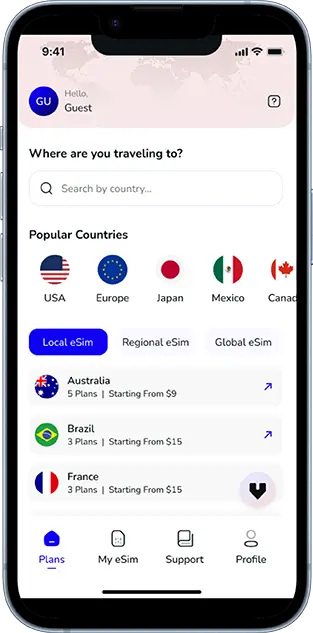
With providers like Voye Global eSIM, travelers can activate mobile data instantly in over 130 countries without swapping physical SIM cards.
This eliminates the hassle of:
- Searching for airport SIM kiosks
- Language barriers
- Manual SIM replacement
- Risk of losing your primary SIM card
4. Lower Roaming Costs
Traditional postpaid roaming charges can become extremely expensive.
Prepaid travel eSIMs often provide:
- Local network pricing
- Regional packages
- Affordable global plans
This helps travelers stay connected without worrying about massive mobile bills after returning home.
5. Instant Activation
Modern prepaid eSIM providers now offer near-instant activation.
Voye Global eSIM provides digital activation through QR code installation and mobile apps.
This means travelers can:
- Set up data before departure
- Connect immediately upon landing
- Avoid airport Wi-Fi dependence
Global Coverage, Local Rates
Experience hassle-free connectivity wherever you go.
Advantages of Postpaid Plans for Travelers
While prepaid options dominate travel connectivity, postpaid plans still have some benefits in specific situations.
1. Convenience for Existing Customers
If you already have a postpaid carrier plan with international roaming enabled, you may prefer the simplicity of using your regular number abroad.
Benefits include:
- No need for a new SIM
- Existing billing relationship
- Continuous service
However, convenience often comes at a premium cost.
2. Unlimited Data Options
Some postpaid carriers provide:
- Unlimited roaming
- International add-ons
- Premium business travel packages
These may benefit:
- Corporate travelers
- Executives
- Heavy data users
Still, many unlimited plans include hidden fair usage policies.
3. Combined Voice and Data Services
Postpaid roaming plans usually support:
- Traditional voice calls
- SMS messaging
- International calling
By contrast, many travel eSIM providers focus primarily on data connectivity.
That said, apps like:
- Telegram
- FaceTime
- Zoom
have reduced the importance of traditional voice services for most travelers.
Hidden Risks of Postpaid Roaming
Travelers often underestimate the risks associated with postpaid international roaming.
Bill Shock
Bill shock remains one of the most common travel connectivity problems.
Streaming videos, hotspot usage, or background app updates can generate massive roaming costs.
Some travelers return home to bills worth hundreds or even thousands of dollars.
Limited Transparency
Postpaid roaming plans can include:
- Hidden fees
- Data throttling
- Regional exclusions
- Overage charges
Travelers may not fully understand what is included until the bill arrives.
Network Restrictions
Certain carriers partner with limited foreign networks, which can affect:
- Speed
- Coverage
- Reliability
Prepaid travel eSIM providers often connect to multiple local carriers for stronger coverage.
Why eSIM Technology Is Changing Travel Connectivity?
eSIM technology is rapidly transforming how travelers stay connected abroad.
Unlike physical SIM cards, eSIMs are digital profiles installed directly on compatible smartphones.
Benefits include:
- Instant activation
- No physical SIM swapping
- Multiple profiles on one device
- Faster setup
- Remote management
Travelers can activate plans digitally and manage usage online without visiting local stores.
Why Travelers Are Choosing Voye Global eSIM?
Among modern travel connectivity providers, Voye Global eSIM stands out as a flexible prepaid solution for international travelers.
Key Features of Voye Global eSIM
Global Coverage
Voye Global offers connectivity across more than 130 countries and regions.
This makes it ideal for:
- Multi-country Europe trips
- Asia backpacking journeys
- International business travel
- Digital nomad lifestyles
Instant Digital Setup
Travelers can:
- Purchase a plan online
- Receive a QR code
- Activate instantly
No physical SIM card is required.
Affordable Travel Data Plans
Compared to expensive roaming charges, Voye Global provides flexible prepaid pricing with no long-term contracts.
Dual SIM Convenience
Most modern smartphones allow users to:
- Keep their home SIM active
- Use Voye eSIM for data simultaneously
This is useful for:
- Receiving OTPs
- Keeping your regular number
- Avoiding roaming charges
24/7 Customer Support
International travelers often need assistance across time zones.
Voye Global offers round-the-clock support for setup and troubleshooting.
Your Journey, Our eSIM
Stay online abroad with instant activation.
Who Should Choose Prepaid Data Plans?
Prepaid plans are best for:
- Budget Travelers
If controlling costs matters, prepaid plans are ideal.
- Backpackers
Flexible plans work well for changing itineraries.
- Digital Nomads
Regional eSIM plans simplify multi-country travel.
- Short-Term Tourists
Avoid contracts and unnecessary long-term payments.
- Students Abroad
Manage expenses easily without surprise bills.
Who Should Choose Postpaid Plans?
Postpaid may suit:
- Corporate Travelers
Company-paid roaming plans can reduce personal hassle.
- Heavy Traditional Call Users
Users relying on standard voice calls may prefer postpaid.
- Long-Term International Residents
Monthly contracts may become economical over time.
However, most short-term travelers still benefit more from prepaid flexibility.
How to Choose the Right Travel Data Plan?
Before selecting a travel data plan, consider these factors:
1. Trip Duration
- Short trip: prepaid usually wins
- Long stay: compare monthly postpaid options
2. Number of Countries
Multi-country travelers should consider:
- Regional eSIMs
- Global prepaid plans
3. Data Usage
Heavy streaming users may need:
- Larger prepaid packages
- Unlimited travel plans
4. Device Compatibility
Ensure your phone supports:
- eSIM functionality
- International network bands
Tips for Saving Money on Travel Data
- Download Offline Maps
Use Google Maps offline mode before traveling.
- Disable Background App Refresh
Prevent unnecessary data consumption.
- Use Wi-Fi for Large Downloads
Avoid wasting mobile data on updates.
- Monitor Data Usage
Track usage regularly through your phone settings.
- Choose Regional eSIM Plans
Regional plans are often cheaper than country-specific roaming.
The Future of Travel Connectivity
The global shift toward eSIM technology is accelerating.
Travelers now prioritize:
- Instant activation
- Affordable global coverage
- Digital convenience
- Flexible prepaid plans
Traditional postpaid roaming is gradually becoming less attractive due to:
- High costs
- Limited transparency
- Contract restrictions
As more smartphones support eSIM technology, prepaid travel connectivity solutions are expected to dominate the market.
Final Verdict: Prepaid vs. Postpaid for Travelers
For most international travelers, prepaid data plans offer the better experience.
They provide:
- Better cost control
- More flexibility
- Easier setup
- Lower roaming costs
- Instant activation
Postpaid plans may still work for corporate users or long-term residents, but prepaid eSIM solutions are now the preferred option for modern travelers.
If you want reliable, affordable, and flexible travel connectivity, Voye Global eSIM is an excellent choice. With coverage in over 130 countries, instant activation, and user-friendly prepaid plans, it simplifies international travel connectivity without the stress of traditional roaming.

Seamless Mobile Data Everywhere














 English