




Every year, the historic city of Potosí comes alive with music, traditional dances, colorful processions, artisan markets, and cultural pride during one of Bolivia’s most meaningful annual celebrations. Potosí Cultural Week is more than just a festival. It is a tribute to centuries of history, Indigenous traditions, colonial architecture, and the resilient spirit of the people who have shaped this remarkable city. For travelers looking to experience authentic Bolivian culture beyond the usual tourist attractions, this celebration offers an unforgettable journey into the country’s living heritage.
Planning a trip to Potosí Cultural Week 2026 means stepping into a destination recognized for its extraordinary historical significance. The city’s streets transform into open-air stages where local communities proudly share their customs through music, folklore, gastronomy, and artistic performances. Whether you are fascinated by history, photography, architecture, or cultural experiences, this festival provides countless opportunities to connect with Bolivia genuinely and memorably.
What Is Potosí Cultural Week?
Potosí Cultural Week is an annual celebration dedicated to preserving and showcasing the city’s rich cultural identity. Held in the historic city of Potosí, the event brings together residents, artists, performers, historians, students, and visitors for several days of festivities highlighting Bolivia’s diverse traditions.
Stay Connected Easily
Enjoy reliable mobile data throughout your Bolivia festival adventure with ease.
The celebration reflects the unique blend of Indigenous heritage and Spanish colonial influences that define Potosí. Throughout the week, visitors can attend cultural exhibitions, traditional dance performances, historical reenactments, music concerts, educational programs, and local food fairs.
The festival also emphasizes the importance of protecting the city’s architectural heritage, historical monuments, and long-standing customs that continue to shape modern Bolivian identity.
Why Potosí Is One of Bolivia’s Most Historic Cities?
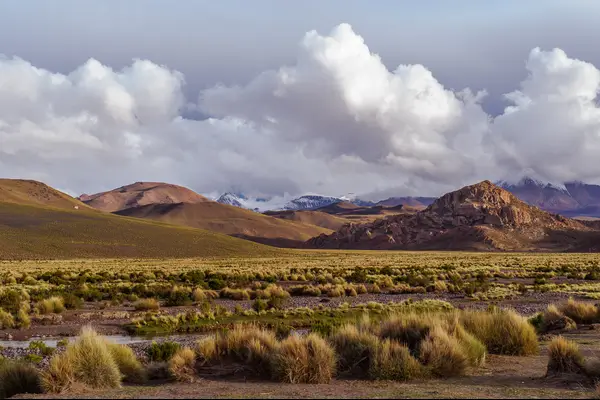
Few destinations in South America possess the historical significance of Potosí. Located high in the Andes Mountains at an elevation of more than 4,000 meters, the city was once among the wealthiest places in the world due to the enormous silver deposits discovered in Cerro Rico during the sixteenth century.
The wealth generated from these mines helped finance empires across Europe, leaving behind an impressive collection of colonial churches, plazas, mansions, and civic buildings that still stand today.
Today, Potosí is recognized as a UNESCO World Heritage Site because of its exceptional historical importance and preserved colonial architecture. Walking through its cobblestone streets feels like stepping into a living museum where every building tells part of Bolivia’s fascinating story.
Potosí Cultural Week celebrates this remarkable legacy while ensuring future generations continue to appreciate the city’s extraordinary past.
When Is Potosí Cultural Week 2026?
Although official dates may vary each year, Potosí Cultural Week 2026 is expected to take place during November, when pleasant weather makes exploring the city comfortable for visitors.
Events typically span several days, allowing travelers enough time to enjoy both the scheduled cultural programs and the city’s historical attractions.
Because accommodations become increasingly busy during festival week, booking hotels and transportation several months in advance is highly recommended.
Festival Highlights You Should Not Miss
Every day during the festival introduces visitors to a different aspect of Potosí’s cultural identity. While the exact schedule changes annually, several traditions consistently remain among the biggest attractions.
Traditional Dance Performances
Bolivia is internationally recognized for its vibrant folkloric dances, and Potosí Cultural Week presents some of the country’s finest performances.
Colorfully dressed dancers fill city squares performing traditional routines that have been passed down through generations. Each dance reflects regional history, Indigenous beliefs, religious traditions, or agricultural customs.
Visitors can watch elaborate costumes adorned with embroidery, feathers, masks, and handcrafted accessories while musicians perform using traditional Andean instruments.
Local Music Concerts
Music is central to every celebration in Bolivia.
Festival stages host performances ranging from Indigenous folk ensembles to contemporary Bolivian artists. Throughout the city, musicians create an energetic atmosphere using pan flutes, charangos, drums, guitars, and brass instruments.
Even casual evening walks often become memorable experiences as live performances continue across public plazas.
Check out our plans
-
Bolivia 7 days 3GB
USD 21.00 -
Bolivia 15 days 5GB
USD 30.00 -
Bolivia 30 days 8GB
USD 49.00 -
Bolivia 30 days 15GB
USD 75.00
Artisan Markets
One of the best ways to support local communities is by exploring the artisan markets held throughout Cultural Week.
Shoppers can browse handcrafted textiles, alpaca clothing, woven bags, silver jewelry, pottery, traditional musical instruments, wood carvings, and decorative artwork made by skilled local artisans.
Many products represent techniques that have remained unchanged for generations, making them meaningful souvenirs rather than mass-produced gifts.
Historical Exhibitions
Museums, universities, and cultural institutions organize exhibitions that explore Potosí’s history, mining heritage, architecture, and artistic traditions.
Visitors interested in Bolivia’s colonial era gain valuable insight through photographs, historical artifacts, manuscripts, and educational displays that explain the city’s remarkable global influence during the Spanish colonial period.
Experience Bolivia’s Traditional Cuisine
No cultural festival is complete without exceptional local food.
Street vendors, local restaurants, and community fairs serve authentic Bolivian specialties throughout the week.
Some dishes visitors should consider trying include:
- Salteñas filled with savory meat and vegetables.
- Silpancho features beef, rice, potatoes, and fried egg.
- Llajwa, Bolivia’s famous spicy tomato sauce.
- Humintas made from fresh corn.
- Traditional Andean soups prepared using regional ingredients.
Food markets also offer locally produced cheeses, pastries, fresh fruit juices, and desserts unique to the region.
Sampling local cuisine provides another opportunity to experience Bolivia’s rich cultural traditions firsthand.
Explore Potosí Beyond the Festival
While Cultural Week is the main attraction, the city itself deserves several days of exploration.
Cerro Rico
The legendary mountain overlooking Potosí remains one of South America’s most historically significant landmarks.
Guided tours allow visitors to learn about centuries of silver mining while understanding both the economic importance and human stories connected to this iconic mountain.
Casa Nacional de la Moneda
This beautifully preserved colonial building once produced silver coins that circulated throughout much of the world.
Today, it serves as one of Bolivia’s finest museums, displaying historical machinery, artwork, colonial artifacts, and exhibitions explaining the city’s extraordinary economic influence.
Historic Churches
Potosí contains numerous churches dating back several centuries.
Their intricate stone facades, elaborate interiors, religious artwork, and colonial architecture reflect the artistic excellence of the period.
Many remain active places of worship while welcoming respectful visitors interested in history and architecture.
Colonial Streets
Simply walking through Potosí’s historic center is an experience in itself.
Elegant balconies, preserved courtyards, stone buildings, and picturesque plazas provide endless opportunities for photography and cultural exploration.
Morning walks are especially rewarding as the city gradually comes to life before festival events begin.
Travel Bolivia Smarter
Activate fast data before departure for seamless connectivity across Bolivia.
Practical Travel Tips for First-Time Visitors
Traveling to Potosí requires a bit of preparation because of its unique location.
The city’s high altitude affects many first-time visitors, so arriving a day or two early allows your body time to adjust before participating in festival activities.
Drinking plenty of water, avoiding excessive physical activity during your first day, and eating lighter meals can help reduce the effects of altitude.
Comfortable walking shoes are essential because many streets are steep, uneven, and paved with cobblestones.
Layered clothing is equally important since temperatures often change significantly between sunny afternoons and cool evenings.
Carrying cash is also advisable, especially when shopping at artisan markets or purchasing food from local vendors, where card payments may not always be available.
Photography Opportunities Throughout the Festival
Potosí Cultural Week offers endless opportunities for photographers.
Morning sunlight beautifully illuminates the city’s colonial buildings, while afternoon performances provide colorful scenes filled with movement and emotion.
Markets present detailed close-up subjects including handmade textiles, silver jewelry, woven fabrics, and traditional crafts.
Evening concerts create dramatic lighting conditions perfect for capturing the lively festival atmosphere.
Remember to ask permission before taking close-up portraits of performers or residents, particularly during religious ceremonies or traditional rituals.
Respectful photography helps preserve positive relationships between visitors and local communities.
Staying Connected During Potosí Cultural Week

Reliable mobile connectivity makes traveling through Bolivia much easier, especially when navigating unfamiliar streets, checking event schedules, translating conversations, booking transportation, or sharing memorable experiences with family back home.
Choosing a Voye Global eSIM for Bolivia before departure allows travelers to access mobile data immediately upon arrival without searching for local SIM cards. Having dependable internet access also makes it easier to locate restaurants, confirm reservations, use digital maps, and stay informed about any festival schedule updates throughout your visit.
Responsible Tourism During Cultural Week
Large cultural celebrations attract thousands of visitors, making responsible tourism especially important.
Simple actions can help preserve both the festival and the local community:
- Support local artisans by purchasing authentic handmade products.
- Respect religious ceremonies and community traditions.
- Dispose of waste responsibly and help keep public spaces clean.
- Follow local guidance during performances and parades.
- Ask permission before photographing individuals.
Small efforts from every visitor contribute to preserving Potosí’s cultural heritage for future generations.
Why Potosí Cultural Week Should Be on Your South America Travel List?
Many travelers visit Bolivia for its breathtaking natural landscapes, but cultural experiences often leave the strongest memories.
Potosí Cultural Week combines history, architecture, music, gastronomy, local traditions, and community celebration into one immersive travel experience. Unlike larger international festivals that can sometimes feel commercialized, this celebration remains deeply connected to local identity and heritage.
Conclusion
Visitors have the opportunity to engage with artists, historians, musicians, and families who proudly preserve customs that have survived for centuries. Every performance, exhibition, and market reflects authentic traditions rather than attractions created solely for tourism. This genuine atmosphere makes the festival especially rewarding for travelers seeking meaningful cultural experiences.
The combination of UNESCO-recognized history, remarkable colonial architecture, vibrant folklore, exceptional local cuisine, and welcoming hospitality creates a destination unlike anywhere else in South America. Whether you spend your days exploring museums, photographing historic streets, watching colorful parades, or enjoying traditional music in lively public squares, every moment contributes to a richer understanding of Bolivia’s diverse cultural heritage.
Potosí Cultural Week 2026 promises far more than a typical festival vacation. It offers an opportunity to witness centuries of history celebrated by the people who continue to keep these traditions alive. From its iconic colonial landmarks and fascinating museums to its energetic performances and artisan markets, the festival captures the true spirit of one of Bolivia’s most historic cities.
For travelers planning an unforgettable South American adventure in 2026, adding Potosí Cultural Week to the itinerary is an excellent decision. With thoughtful planning, cultural curiosity, and a willingness to embrace local traditions, visitors will leave with lasting memories, meaningful experiences, and a deeper appreciation for Bolivia’s extraordinary heritage.

Seamless Mobile Data Everywhere












 English