




Portugal is one of the easiest countries in Europe to explore without renting a car. From historic cities and charming coastal towns to scenic wine regions and breathtaking natural landscapes, the country offers an extensive and reliable transportation network that connects travelers to nearly every major destination. Whether you are planning a short city break in Lisbon, a cultural journey through Porto, or an adventure across multiple regions, public transportation makes travel simple, affordable, and convenient.
For many visitors, skipping the car rental process can actually enhance the travel experience. There is no need to worry about parking, toll roads, unfamiliar driving rules, or navigating narrow historic streets. Instead, travelers can relax, enjoy the scenery, and move efficiently between destinations using trains, buses, ferries, trams, and metro systems.
Why Portugal Is Perfect for Car-Free Travel?
Portugal has invested heavily in public transportation infrastructure, making it one of the most accessible destinations for travelers who prefer not to drive. The country’s compact size also works in favor of visitors. Major cities and popular tourist destinations are located relatively close to one another, making train and bus journeys practical and efficient.
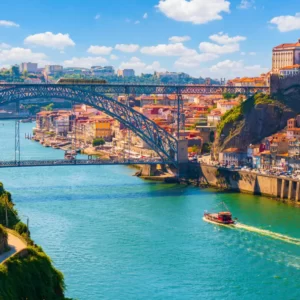
In addition, many of Portugal’s most famous attractions are situated in pedestrian-friendly areas. Historic districts such as Lisbon’s Alfama neighborhood, Porto’s Ribeira district, and the town center of Sintra are best explored on foot. Public transportation not only gets visitors close to these locations but often provides easier access than driving would.
Travelers who choose public transportation can also enjoy a more authentic experience. Riding local trains, trams, and ferries offers opportunities to observe daily life, interact with residents, and appreciate Portugal’s culture from a unique perspective.
Travel Smarter In Portugal
Enjoy reliable mobile data while exploring every destination.
Traveling Between Cities by Train
The railway network is one of the most efficient ways to travel around Portugal without a car. Operated by the national rail service, trains connect major cities and many regional destinations.
High-speed and intercity trains make travel between Lisbon and Porto particularly convenient. The journey typically takes less than three hours, allowing travelers to move comfortably between Portugal’s two largest cities. Modern trains feature spacious seating, luggage storage, air conditioning, and onboard amenities that make long-distance travel enjoyable.
Beyond the Lisbon and Porto corridor, trains also connect destinations such as Coimbra, Braga, Faro, Aveiro, and Guimarães. These routes provide access to some of Portugal’s most culturally significant cities and picturesque regions.
Regional trains serve smaller communities and offer a slower but scenic way to experience the countryside. Travelers passing through the Douro Valley, for example, can enjoy spectacular views of vineyards, river landscapes, and rolling hills directly from the train window.
Booking tickets in advance is often recommended, especially during peak travel seasons when demand is high. Early reservations can also provide access to lower fares.
Exploring Cities with Metro Systems
Portugal’s largest cities offer excellent urban transportation options. Lisbon and Porto both have efficient metro systems that simplify movement throughout the metropolitan areas.
Lisbon’s metro network connects the airport with major districts, business centers, shopping areas, and tourist attractions. Visitors can quickly reach neighborhoods such as Baixa, Chiado, and Parque das Nações without relying on taxis or rideshare services.
Porto’s metro system is equally useful and extends beyond the city center to surrounding suburbs and the airport. The clean, modern network provides a cost-effective solution for exploring the city and its nearby attractions.
Metro systems are particularly valuable for travelers who want to maximize their sightseeing time while minimizing transportation costs. Stations are clearly marked, ticketing systems are user-friendly, and services operate frequently throughout the day.
Check out our plans
-
Portugal 7 Days 6GB
USD 9.00 -
Portugal 10 Days Unlimited Data
USD 30.00 -
Portugal 15 Days 10GB
USD 10.00 -
Portugal 20 Days Unlimited Data
USD 50.00 -
Portugal 30 days 25GB
USD 23.00 -
Portugal 30 Days Unlimited Data
USD 63.00
Using Buses to Reach More Destinations
While trains cover many popular routes, buses expand access to destinations that may not be directly connected by rail. Portugal’s extensive intercity bus network reaches towns, villages, and regions across the country.
For travelers interested in visiting less-explored locations, buses can be an excellent option. Many routes serve coastal communities, inland villages, and national parks that are not easily accessible by train.
Long-distance buses are generally comfortable and affordable. Modern coaches often include air conditioning, reclining seats, luggage compartments, and onboard WiFi. Travel times may be slightly longer than trains on some routes, but the broader destination coverage often makes buses a worthwhile choice.
Buses are especially useful when exploring regions such as the Alentejo, where train services may be more limited. Travelers can also use buses to reach popular surf towns along the Atlantic coast and remote areas known for their natural beauty.
Discovering Lisbon Through Historic Trams
One of Portugal’s most iconic transportation experiences is riding Lisbon’s historic trams. These vintage yellow vehicles have become a symbol of the city and offer both practical transportation and memorable sightseeing opportunities.
The famous Tram 28 route passes through some of Lisbon’s most historic neighborhoods, including Graça, Alfama, Baixa, and Estrela. Along the journey, passengers can admire centuries-old architecture, narrow streets, and panoramic viewpoints.
While trams attract many tourists, they remain an important part of Lisbon’s public transportation network. They provide access to areas where buses and metro lines may not reach as effectively due to the city’s steep terrain and narrow roads.
Travelers should consider riding early in the morning or later in the evening to avoid the busiest crowds and enjoy a more comfortable experience.
Stay Connected Across Portugal
Access maps, tickets, and travel updates throughout Portugal.
Ferry Services Along Portugal’s Waterways
Portugal’s rivers and coastal geography create opportunities for ferry transportation in several regions. Ferries offer practical connections while also providing scenic views that enhance the travel experience.
In Lisbon, ferries cross the Tagus River and connect the city center with destinations on the southern bank. These routes are frequently used by commuters and visitors alike.
Ferry services can also be found in other parts of the country, including connections to islands and coastal communities. For travelers seeking unique perspectives of Portugal’s waterfront cities, ferries provide an enjoyable alternative to land-based transportation.
The combination of affordability, convenience, and beautiful scenery makes ferry travel a worthwhile addition to many itineraries.
Best Destinations to Visit Without a Car
Several of Portugal’s most popular destinations are particularly easy to explore using public transportation alone.
Lisbon stands out as one of the best cities for car-free travel. Its extensive metro system, trams, buses, and walkable neighborhoods allow visitors to navigate comfortably without driving.
Porto is another excellent choice. The city’s compact layout, efficient metro network, and pedestrian-friendly historic center make it highly accessible.
Sintra is famous for its fairytale palaces, castles, and gardens. Frequent train services from Lisbon provide convenient access, and local buses connect visitors to major attractions.
Coimbra offers a rich academic and cultural atmosphere centered around one of Europe’s oldest universities. The city’s train station provides easy connections to Lisbon and Porto.
Aveiro, often called the Venice of Portugal, features picturesque canals, colorful boats, and charming architecture. It is easily reachable by train and can be comfortably explored on foot.
Braga and Guimarães are also excellent destinations for travelers relying on public transportation. Both cities offer fascinating historical attractions and strong rail connections.
Tips for Planning a Smooth Car-Free Journey

Traveling through Portugal without a car becomes much easier with proper preparation. A few practical strategies can help ensure a smooth experience throughout the trip.
First, research transportation schedules before arriving at each destination. While major routes operate frequently, some regional services may have limited departures.
Second, allow extra time when transferring between transportation modes. This flexibility can reduce stress and help accommodate unexpected delays.
Third, purchase transportation cards when available. Many cities offer reloadable transit cards that simplify ticket purchases and may provide discounted fares.
A few useful habits include:
- Download offline maps before traveling between destinations
- Keep digital copies of transportation tickets and reservations
- Check schedules for weekends and holidays, as service frequency may vary
These small preparations can significantly improve travel efficiency and convenience.
Advantages of Choosing Public Transportation
Many travelers initially assume that renting a car provides greater freedom, but public transportation in Portugal offers several important advantages.
Cost savings are often substantial. Travelers avoid rental fees, fuel expenses, parking charges, and toll costs. These savings can be redirected toward accommodations, dining, and experiences.
Public transportation is also more environmentally friendly. Choosing trains and buses helps reduce carbon emissions and supports sustainable tourism practices.
Stress reduction is another major benefit. Visitors do not need to navigate unfamiliar roads, interpret traffic regulations, or search for parking in crowded city centers.
Perhaps most importantly, public transportation allows travelers to fully appreciate Portugal’s landscapes. Instead of focusing on driving, passengers can enjoy ocean views, vineyard-covered hills, historic towns, and countryside scenery throughout the journey.
Conclusion
Getting around Portugal without a car is not only possible but often preferable for many travelers. The country’s well-developed transportation network provides reliable connections between major cities, charming towns, coastal destinations, and cultural landmarks. Trains, buses, metros, trams, and ferries work together to create a seamless travel experience that is both affordable and convenient.
By embracing public transportation, visitors can enjoy a more relaxed and immersive journey through Portugal. From exploring Lisbon’s historic streets and Porto’s vibrant waterfront to discovering the beauty of Sintra, Coimbra, and the Douro Valley, travelers can experience the country’s highlights without the challenges associated with driving. With thoughtful planning and reliable digital connectivity through a Portugal eSIM from Voye Global, a car-free adventure through Portugal can be one of the most rewarding ways to explore this remarkable European destination.

Seamless Mobile Data Everywhere














 English