




The June Weather Map: How the Monsoon Actually Works
The Philippines has two monsoon seasons with effects that vary dramatically by island and orientation. The Habagat (southwest monsoon) brings rain and typhoons primarily to the eastern-facing coasts and northern island groups from June to October. The western-facing coasts of Palawan – including Puerto Princesa, El Nido, and Coron – are sheltered from the Habagat by the island’s mountain spine and remain in dry conditions through May and June.
The Visayas island group in the central Philippines is in a transitional zone. Cebu City on Cebu’s western coast has manageable June conditions. Siargao on the eastern side gets more rain. Boracay in Aklan is mixed – wetter than Palawan but often still feasible in June. Understanding the orientation of each island relative to the incoming weather is the critical variable.
Palawan in June: El Nido, Coron, and Why This Is the Best Time
Palawan is the star of the Philippines travel story and June is one of the secrets. The dry season for El Nido and the northern Palawan coast runs roughly from November through June – and by June the peak-season crowds of December through February have thinned significantly. Accommodation prices drop, boats are more available, and the limestone cliffs, hidden lagoons, and turquoise water are identical to what they are in December.
El Nido’s famous island-hopping tours – Tour A through Tour D covering different combinations of lagoons, beaches, and snorkeling sites – run daily when conditions allow. In June, sea conditions in the Bacuit Bay are generally calm in the mornings with some chop building in the afternoon. Book morning departures and check conditions with your operator.
Coron in northern Palawan is different from El Nido – more focused on wreck diving (the Japanese warships sunk in Coron Bay during WWII are among the best wreck dive sites in the world) and the freshwater Kayangan Lake. June conditions in Coron are generally good through the month.
The Visayas in June: What Works and What Doesn’t

Cebu: Manageable With Flexibility
Cebu City on the west coast of Cebu island is the Visayas hub and has reasonable June conditions. Rain comes in shorter bursts rather than extended downpours for most of the month. The Kawasan Falls waterfall canyon on the southwestern coast – one of the Philippines’ great natural swimming spots – is actually at higher water levels in June, making the experience more dramatic. Oslob, where whale sharks can be snorkeled with, operates year-round.
Siargao: Surfers Only in June
Siargao’s Cloud 9 surf break is considered one of the best in Southeast Asia and peaks during the June-October swell season. If you surf, June in Siargao is excellent. If you don’t, the rain and rougher conditions on the eastern exposure make it a less ideal beach destination.
Boracay: Proceed With Information
Boracay has implemented a policy of closing White Beach to large crowds during rainy periods and the island can be wet in June. Some travelers report good experiences; others find the rain frustrating. If Boracay is specifically your destination, June carries more weather risk than Palawan.
Getting Around: Internal Philippine Flights
The Philippines requires flying between major destinations. Cebu Pacific and Philippine Airlines connect Manila, Cebu, Puerto Princesa (for Palawan), Coron, and most major destinations. El Nido has a small airstrip with flights operated by Air Swift from Manila. Book domestic flights as far ahead as possible – June availability on key routes can be limited, and prices rise significantly with shorter booking windows.
Island hopping within Palawan and the Visayas is done by bangka (outrigger boats). Weather determines daily feasibility – listen to your operators and do not pressure them to go out in conditions they consider unsafe.
Heading to the Philippines in June?
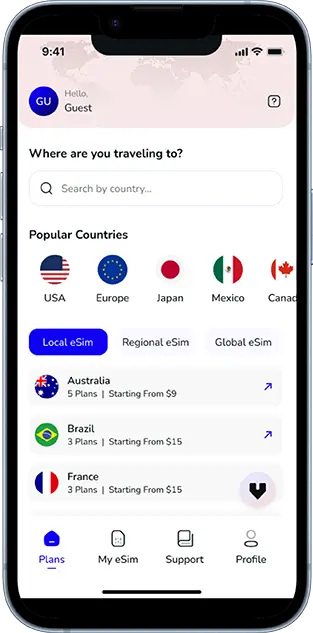
Get your Voye eSIM before you fly – navigate island transfers, book tours, stay connected from Manila to Palawan.
Getting a Philippines eSIM: Why Voye Is the Smart Choice
The Philippines has improving 4G coverage across major tourist areas. Manila, Cebu City, and Puerto Princesa have solid connectivity. El Nido and Coron are more patchy – coverage exists in town centres but diminishes on the water and in more remote areas. A Voye eSIM for the Philippines gives you a local data connection from the moment you land at Ninoy Aquino International Airport in Manila, without queuing for a local SIM.
Purchase through the Voye app before you travel. Activate on landing and your primary number stays active for calls and messages from home.

Key Benefits
- Instant digital delivery – activate before you fly, data starts the moment you land in Manila
- Unrestricted hotspot – share your connection with your travel group from one plan
- Keep your home number active – calls, messages, and banking codes continue normally
- 24/7 multilingual support throughout your trip
- Website and app in 13 languages
Use Cases in the Philippines
- Booking island-hopping tours in El Nido and Coron via WhatsApp on arrival
- Navigating Manila and finding transport between Ninoy Aquino Airport terminals
- Checking weather updates and sea conditions for island hopping decisions
- Communicating with bangka operators and accommodation on remote islands
- Finding the best restaurants in Puerto Princesa before the Palawan underground river tour
- Translating menus and communicating in areas where English is limited

Practical Things That Catch Travelers Off Guard
The Manila airport situation – Ninoy Aquino International Airport has four terminals used by different airlines, and they are not all connected. Know which terminal your onward domestic flight departs from and allow time to transfer between terminals if required. Terminal 3 (for Cebu Pacific) and Terminal 2 (Philippine Airlines) are separate facilities.
Cash in Palawan – El Nido has ATMs but they run out of cash during high-demand periods. Withdraw cash in Puerto Princesa before heading to El Nido. Most accommodation and tour operators in El Nido accept cash only.
Environmental fees – El Nido charges an Environmental User Fee (EUF) on arrival, currently PHP 200 (approximately USD 3.50). Coron charges separately. These are collected at the tourist information offices in each town.
Plastic ban – El Nido and much of Palawan has banned single-use plastics. Bring a reusable water bottle and bags.
Navigate the Philippines with reliable data
Manila to Puerto Princesa to El Nido – your Voye eSIM travels with you.
Frequently Asked Questions
Is it safe to visit the Philippines in June?
The Philippines is safe for tourists in June with the right destination choices. Palawan (El Nido, Coron, Puerto Princesa) is in its dry season through June and is excellent. Parts of the Visayas and northern Luzon are wetter but manageable. The key is choosing destinations on the sheltered western coasts rather than eastern typhoon-exposed islands.
Is Palawan in the typhoon zone?
Palawan sits south and west of the main typhoon track and is sheltered from the southwest monsoon by its central mountain range. El Nido and Coron on the west coast have dry conditions through June. Puerto Princesa in central-southern Palawan is also generally good. This makes Palawan one of the best Philippine destinations for June travel specifically.
Do I need a visa to visit the Philippines?
Citizens of most countries including the EU, UK, USA, Canada, and Australia can enter the Philippines visa-free for stays of up to 30 days, extendable to 59 days at the Bureau of Immigration. Check current requirements for your specific nationality.
How do I get to El Nido from Manila?
Fly from Manila to El Nido Airport on Air Swift (approximately 1 hour, book well in advance) or fly to Puerto Princesa then take a van or bus to El Nido (approximately 5-6 hours). The direct El Nido flight is more expensive but significantly more convenient. Book as early as possible – Air Swift flights in June sell out weeks ahead.
The Bottom Line

The Philippines in June is not the weather risk that most travel advice implies – it is a geography question. Be in Palawan. Know which Visayas islands face west. Understand that the limestone lagoons of El Nido are just as extraordinary in June as in December, with lower prices and more boat space. The traveler who does the homework gets the best version of the Philippines.
Book your internal flights early, withdraw your El Nido cash in Puerto Princesa, and get your Voye eSIM before you fly. The rest sorts itself out over island-hopping mornings and bangka afternoons.
Get your Voye eSIM for the Philippines
Instant activation · Unrestricted hotspot · Use VOYE15 for 15% off your first order
Seamless Mobile Data Everywhere













 English