




Why June Is Peru’s Best Travel Month?
Peru has two distinct seasons: the wet season from November to April, and the dry season from May to October. June sits at the peak of the dry season, when the high Andean trails are firm and clear, the waterfalls fed by rain are still dramatic, and the skies over Machu Picchu are reliably blue rather than the grey soup that defines the rainy months.
The tradeoff is that June is also peak season for international tourism. Machu Picchu entrance tickets sell out weeks ahead. The Inca Trail permits — limited to 500 per day including guides and porters — are typically fully sold for the entire month by January. If you are planning a June trip, these need to be sorted before you do anything else.
Machu Picchu in June: What the Experience Actually Looks Like

Machu Picchu in June is not a quiet experience. It is a full, managed, extraordinary one. The site opens in two time slots — 6am and midday — and the 6am entry is the one worth fighting for. The morning light on the terraces in the dry season is the version that fills the photographers’ portfolios. By 10am the site is at capacity and the experience changes.
The train from Cusco to Aguas Calientes (the base town for Machu Picchu) takes approximately 3.5 to 4 hours and runs several times daily. Book in advance — June trains sell out. The bus from Aguas Calientes up the switchback road to the entrance takes 25 minutes and queues begin forming before 5am on the busiest days.
Sun Gate (Inti Punku) — the viewpoint reached by a 45-minute hike from the main site — gives a different perspective on the ruins and is less crowded than the main viewing terraces. Huayna Picchu, the dramatic peak above the site, requires a separate ticket and only 400 visitors are permitted daily.
The Sacred Valley: Beyond Machu Picchu
The Sacred Valley between Cusco and Machu Picchu contains some of Peru’s most impressive Incan sites and is significantly less visited than the main attraction. Ollantaytambo — a functioning Incan town with massive terraced ruins — is the last stop on the train line and worth half a day on its own. The site was one of the few places the Spanish could not take by force, and the scale of the agricultural terraces gives a clearer picture of Incan engineering than almost anything else in the valley.
Pisac market operates on Sundays with local artisan goods and fresh produce. Moray, the mysterious circular agricultural terracing site, and the salt evaporation ponds at Maras are a good combined half-day from the valley floor.
Cusco: The City That Earns More Time Than Most People Give It

Most travelers treat Cusco as a one-night stop before Machu Picchu. This is a mistake. The city is built on and from Incan foundations — the walls of the Cathedral on the Plaza de Armas are constructed over the palace of Inca Viracocha. The Qorikancha temple, once covered in gold, was converted into a Spanish church but the Incan stonework is still fully visible underneath. The San Pedro market is one of the best in South America for local food and goods without the tourist premium.
Altitude sickness is real at Cusco’s elevation of 3,400 metres. Give yourself two full days before any strenuous activity, drink coca tea, and do not underestimate the adjustment required.
Heading to Peru in June?
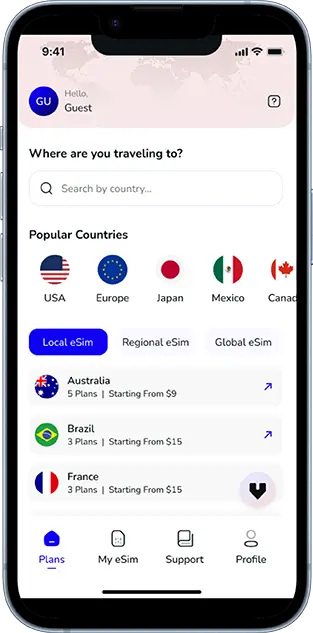
Get your Voye eSIM before you fly — navigate Cusco, book trains to Aguas Calientes, stay connected from landing.
Getting a Peru eSIM: Why Voye Is the Smart Choice
Peru’s connectivity varies significantly by location. Cusco and Lima have solid 4G coverage. Aguas Calientes, the town below Machu Picchu, has a patchy signal. The Sacred Valley has coverage in the main towns and gaps in between. A Voye eSIM for Peru gives you a reliable local data connection from the moment you land at Jorge Chávez International Airport in Lima or Alejandro Velasco Astete Airport in Cusco — no SIM card hunt required.
Get your plan through the Voye app before you leave home. Activate it when you land, and it runs alongside your primary SIM without any interruption to calls or messages from home.

Key Benefits
- Instant digital delivery — buy before you fly, data starts the moment you land
- Unrestricted hotspot — share your connection with your whole travel group from one plan
- Keep your home number active — calls, messages, and banking codes continue normally
- 24/7 multilingual support throughout your trip if anything needs attention
- Website and app in 13 languages
Use Cases for Peru in June
- Booking PeruRail and Inca Rail train tickets to Aguas Calientes on the day when plans change
- Navigating Cusco’s streets and finding specific markets and restaurants on Google Maps
- Checking Machu Picchu entrance ticket availability and booking timed entry slots
- WhatsApp communication with local guides, tour operators, and accommodation providers
- Sharing the Inti Raymi procession from Sacsayhuamán in real time
- Weather tracking in the mountains — June is dry, but afternoon clouds are common at altitude
- Emergency connectivity on the Inca Trail approaches and Sacred Valley roads

Practical Things That Catch Travelers Off Guard
Altitude sickness — Cusco is at 3,400m and Machu Picchu sits at 2,430m. Most people feel some effect. The standard advice: fly into Cusco, rest for two days, take it slowly. Diamox (acetazolamide) is available in Cusco pharmacies. Coca tea is effective and widely available.
Machu Picchu entrance tickets — these sell out for June by March or April most years. Buy through the official Machu Picchu ticket portal. There are no legitimate third-party sellers — any site offering tickets above face value or claiming special access is a scam.
The Inca Trail permit deadline — 500 permits per day total, including guides and porters, means effective tourist capacity is around 200 per day. These sell out in January for June dates. If you want the Inca Trail, book immediately.
Currency — Peru uses the Sol (PEN). ATMs are available in Cusco and Lima. In smaller towns and at market stalls, cash is essential.
Exploring Peru this June?
Reliable data from Lima to Cusco to Aguas Calientes — sorted before you fly.
Frequently Asked Questions
Is June a good time to visit Machu Picchu?
June is considered one of the best months to visit Machu Picchu. The dry season delivers reliably clear skies, the site is at its most photogenic, and the Inti Raymi festival on June 24th provides an extraordinary cultural experience nearby in Cusco. The tradeoff is that June is peak season — tickets and trains must be booked well in advance.
What is Inti Raymi and when is it in 2026?
Inti Raymi is the Incan festival of the sun, celebrated every June 24th in Cusco. The main ceremony takes place at Sacsayhuamán fortress above the city, with hundreds of performers in full Incan costume recreating the ancient solstice ritual. The ceremony is free to watch from the hillside and draws tens of thousands of visitors. It is one of the most significant cultural events in South America.
Do I need a visa to visit Peru?
Most nationalities — including citizens of the EU, UK, USA, Canada, Australia, and most of Latin America — can enter Peru visa-free for stays of up to 90 days. Check the current requirements for your specific passport before travel.
How does connectivity work in Peru for international travelers?
Peru’s coverage is strong in Lima and Cusco but variable in rural and high-altitude areas. A local eSIM like Voye’s provides better rates than international roaming and activates before you land. It supports hotspot sharing so one plan can cover your whole travel group.

The Bottom Line
June in Peru is the month that rewards the people who planned ahead. The skies are clear, the trail is dry, and on June 24th one of the most ancient ceremonies in the Americas plays out above the rooftops of Cusco. It requires booking your tickets early, sorting your altitude acclimatisation properly, and arriving with everything already organised.
Get your Voye eSIM before you leave home. Book the train tickets. Book the Machu Picchu entry. Then show up and let Peru do the rest.
Get your Voye eSIM for Peru
Instant activation · Unrestricted hotspot · Use VOYE15 for 15% off your first order
Seamless Mobile Data Everywhere














 English