




Europe remains one of the most exciting destinations in the world for travelers who want to experience multiple cultures, cuisines, languages, and landscapes in a single journey. From the romantic streets of Paris and the historic landmarks of Rome to the charming canals of Amsterdam and the stunning mountains of Switzerland, a multi-country Europe trip can feel like several vacations rolled into one. However, many travelers assume that visiting multiple European countries automatically means spending a fortune.
The reality is quite different. With smart planning, strategic budgeting, and a few insider travel tips, it is entirely possible to explore several European destinations without draining your savings. The key is understanding where to save, where to spend, and how to maximize every dollar throughout your journey. Whether you are planning your first backpacking adventure or organizing a more comfortable European getaway, this guide will help you create an unforgettable multi-country Europe itinerary while keeping costs under control.
Start With a Realistic Travel Budget
Before selecting destinations, establish a clear budget for your entire trip. Many travelers make the mistake of choosing destinations first and calculating costs later, often leading to unpleasant surprises.
Travel Europe Without Roaming
Access reliable mobile data across Europe without extra charges.
Your European travel budget should include:
- Flights
- Accommodation
- Transportation between countries
- Food and drinks
- Attractions and activities
- Travel insurance
- Mobile connectivity
- Emergency expenses
Having a clear spending limit allows you to make smarter decisions when choosing destinations and planning your route. Budget-conscious travelers often find that a daily budget of $80 to $150 per person can comfortably cover many European countries, depending on the season and travel style.
Choose Countries That Are Close Together
One of the easiest ways to save money is by selecting countries that are geographically close to one another. Constantly crossing the continent can significantly increase transportation costs and waste valuable vacation time.
Instead of visiting Spain, Poland, and Greece in one trip, consider creating regional itineraries such as:
- Western Europe Route: France, Belgium, the Netherlands, and Germany
- Central Europe Route: Germany, Austria, the Czech Republic, and Hungary
- Southern Europe Route: Italy, Slovenia, Croatia, and Montenegro
- Nordic Route: Denmark, Sweden, and Norway
Regional travel minimizes transportation expenses while allowing you to spend more time enjoying destinations rather than sitting in airports.
Build an Efficient Transportation Strategy
Transportation often becomes one of the largest expenses during a multi-country Europe trip. Fortunately, Europe offers excellent transportation networks that make budget travel easier than in many other regions.
Use Trains for Short and Medium Distances
Europe’s rail network is one of the most efficient in the world. Trains often connect city centers directly, eliminating expensive airport transfers and reducing travel time.
For routes such as:
- Paris to Brussels
- Amsterdam to Berlin
- Vienna to Budapest
- Milan to Venice
Train travel can be both economical and convenient.
Consider Budget Airlines Carefully
Low-cost European airlines can offer extremely affordable fares between countries. However, travelers should pay close attention to baggage fees, seat selection charges, and airport locations.
A flight that initially appears cheap may become expensive once additional fees are added. Always compare the final price rather than the advertised fare.
Overnight Travel Can Save Money
Night trains and overnight buses allow travelers to combine transportation and accommodation costs. While not suitable for every route, they can help stretch a limited travel budget.
Prioritize Affordable Destinations
Not all European countries have the same cost of living. Mixing expensive destinations with more affordable ones helps balance your overall budget.
Higher-cost countries often include:
- Switzerland
- Norway
- Iceland
- Denmark
More budget-friendly options include:
- Hungary
- Poland
- Czech Republic
- Croatia
- Slovenia
- Portugal
For example, spending three days in Switzerland followed by several days in Hungary can significantly reduce average daily expenses while still providing diverse travel experiences.
Be Strategic With Accommodation
Accommodation usually represents one of the largest travel expenses. Fortunately, there are numerous ways to reduce lodging costs without sacrificing comfort.
Book Early
Hotels, hostels, and vacation rentals often offer better rates months in advance. Last-minute bookings during busy travel periods frequently result in higher prices.
Stay Slightly Outside City Centers
Accommodation located just outside major tourist zones can be substantially cheaper. Thanks to Europe’s excellent public transportation systems, reaching popular attractions is often easy and affordable.
Consider Alternative Lodging
Many travelers save money by choosing:
- Guesthouses
- Hostels with private rooms
- Vacation apartments
- Boutique pensions
These options often provide a more authentic local experience while reducing accommodation expenses.
Check out our plans
-
Europe 7 days 3GB
USD 9.00 -
Europe 15 days 5GB
USD 15.00 -
Europe 10 Days Unlimited
USD 30.00 -
Europe 15 Days Unlimited
USD 43.00 -
Europe 20 Days Unlimited
USD 55.00 -
Europe 30 Days Unlimited
USD 63.00

Plan Attractions Wisely
Europe is filled with world-famous attractions, but visiting every paid attraction can quickly strain your budget.
Many destinations offer excellent free experiences, including:
- Historic neighborhoods
- Public parks
- Walking tours
- Local markets
- Churches and cathedrals
- Scenic viewpoints
Research city tourism passes before your trip. In many cases, attraction bundles can provide significant savings if you plan to visit multiple sites.
The key is balancing iconic paid attractions with free experiences that showcase local culture and history.
Eat Like a Local
Food is one of the highlights of any European adventure, but dining in tourist areas for every meal can become costly.
Travelers can save money by:
- Eating where locals eat
- Choosing lunch specials
- Shopping at local markets
- Purchasing groceries for breakfast
- Avoiding restaurants directly beside major landmarks
Many European cities have excellent bakeries, cafes, and neighborhood restaurants that offer authentic meals at a fraction of tourist district prices.
Exploring local food culture not only reduces expenses but often leads to more memorable dining experiences.
Avoid Common Budget Mistakes
Even experienced travelers occasionally make costly mistakes that can disrupt a carefully planned budget.
- Overpacking: Large luggage often results in airline baggage fees, transportation difficulties, and unnecessary stress. Packing light increases flexibility and reduces extra costs.
- Excessive Currency Exchange Fees: Avoid exchanging money at airports whenever possible. Using travel-friendly debit or credit cards often provides better exchange rates and lower fees.
- Booking Everything Last Minute: While spontaneous travel has its appeal, waiting too long to book flights, accommodation, and transportation often leads to significantly higher prices.
- Ignoring Hidden Costs: Ignoring hidden costs can quickly derail your travel budget, so remember to account for expenses such as city taxes, public transportation tickets, attraction reservations, baggage fees, and mobile data costs when planning your multi-country Europe trip.
A complete budget should include these smaller costs that frequently add up over time.
Stay Connected Across Multiple Countries
Reliable internet access is essential when traveling through multiple European countries. Travelers depend on connectivity for navigation, transportation bookings, accommodation management, language translation, restaurant recommendations, and communication with family members.
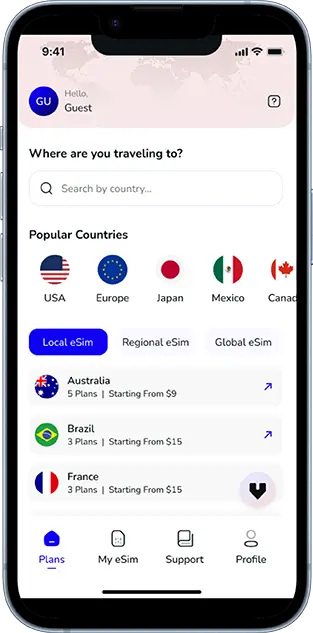
Instead of purchasing separate SIM cards in every destination, many travelers choose a Europe eSIM solution that works across borders. A service like Voye Global provides seamless connectivity throughout numerous European destinations, helping travelers stay connected while avoiding expensive international roaming charges.
Create a Balanced Multi-Country Itinerary

One common mistake is trying to visit too many countries in a short period. Constant movement often increases costs and reduces overall enjoyment.
A well-balanced itinerary might look like:
Two Weeks in Europe
- 4 days in France
- 3 days in Belgium
- 4 days in the Netherlands
- 3 days in Germany
Three Weeks in Europe
- 5 days in Italy
- 4 days in Slovenia
- 5 days in Croatia
- 4 days in Hungary
- 3 days in Austria
This approach provides enough time to experience each destination while minimizing transportation expenses and travel fatigue.
Use Technology to Save Money
Modern travel tools make budget management easier than ever. Travelers can use apps to:
- Compare transportation options
- Track spending
- Find affordable accommodations
- Discover local attractions
- Access digital tickets
- Navigate unfamiliar cities
Creating a simple daily spending limit can help keep overall expenses under control throughout the trip.
Many successful budget travelers review their spending every evening and adjust plans accordingly if costs begin exceeding expectations.
Stay Connected Across Europe
Enjoy seamless data coverage while traveling between European countries.
Why Planning Matters More Than Spending?
Many people believe that an unforgettable European adventure requires a luxury budget. In reality, thoughtful planning often matters far more than how much money you spend. Strategic destination selection, efficient transportation choices, smart accommodation decisions, and careful budgeting can transform an expensive dream into an achievable reality.
The most memorable travel experiences often come from exploring hidden neighborhoods, enjoying local food, meeting new people, and discovering unexpected destinations rather than spending excessively on luxury upgrades. A well-planned itinerary allows travelers to focus on meaningful experiences while maintaining financial confidence throughout the journey.
Conclusion
Planning a multi-country Europe trip on a budget is entirely possible when you approach the process strategically. By selecting nearby destinations, traveling during shoulder seasons, booking transportation wisely, choosing affordable accommodations, and balancing paid attractions with free experiences, you can significantly reduce costs without sacrificing adventure.
Europe offers incredible diversity, making it one of the best regions in the world for budget-conscious travelers. With careful preparation and smart spending habits, you can explore multiple countries, experience different cultures, and create unforgettable memories while staying within your budget. The secret is not spending more money but making every travel decision count.

Seamless Mobile Data Everywhere











 English