




Where to Go in Morocco in June?
Essaouira
Probably the single best answer to the question of where to be in Morocco in June. The coastal city sits on a headland exposed to the Atlantic, and the winds that make it the kite-surfing capital of Africa also keep temperatures between 20 and 25 degrees throughout June. The medina is UNESCO-listed, smaller and less frantic than Marrakech’s, with whitewashed ramparts overlooking a fishing harbor and a beach that stretches for kilometres. The Gnawa Music Festival – one of the most important world music events in Africa – traditionally takes place in Essaouira in late June, drawing musicians and visitors from across the continent.
Chefchaouen
In the Rif Mountains, with temperatures typically around 25 to 30 degrees in June – considerably cooler than the south. The blue-painted medina set against rocky hillsides is one of Morocco’s most photographed destinations, and for good reason. The hiking trails in the surrounding Talassemtane National Park are in excellent condition. The town receives significant visitor numbers but its size means it never feels as overwhelmed as Marrakech.
Agadir
Morocco’s Atlantic resort city, purpose-built for beach holidays. Consistent sunshine, a long promenade, and sea temperatures warm enough for swimming by June. Best for those who want beach access with a well-developed infrastructure and day trips into the Anti-Atlas mountains or the argan forests of the Souss Valley.
Marrakech
Worth including but requires a different approach in June. The souks are best before 10am. The Saadian Tombs, Bahia Palace, and Majorelle Garden all have shaded or indoor sections that make midday visits manageable. Plan activities for mornings and evenings, take a long shaded lunch break, and the city is perfectly navigable. The rooftop restaurants of the medina catch whatever breeze exists.
The Medinas: What to Know Before You Arrive

Morocco’s historic medinas in Fes, Marrakech, and Chefchaouen are genuine urban labyrinths. The streets are narrow, unmarked, and not designed for navigation by compass bearing. Google Maps works within medinas but requires constant recalculation as the alleyways do not always correspond precisely to map data.
Being without connectivity in the Fes el-Bali medina – the largest car-free urban area in the world – is a disorienting experience. Unofficial guides and touts operate in all major medinas, and the standard opening move is to offer directions and then lead visitors to shops. Navigating confidently with your own phone changes the dynamic significantly.
Food, Riads, and Getting Around
Moroccan food in June is excellent. Ramadan crowds are gone, restaurants are fully open, and seasonal produce – tomatoes, peppers, stone fruits – is at its best. Tagines, Friday couscous, harira soup, msemen flatbread with honey and argan oil for breakfast. The food culture rewards curiosity and willingness to eat where local people eat.
Riads, the traditional courtyard guesthouses, are the right choice for Marrakech and Fes. The central courtyard design with its fountain creates natural cooling. Book directly with the riad where possible. For inter-city travel, the ONCF train network is reliable between Casablanca, Rabat, Fes, and Marrakech. For the coast and south, shared grands taxis are the standard option.
Exploring Morocco this June?
Get your Morocco eSIM before you fly – navigate medinas, book riads, stay connected across the coast.
Getting a Morocco eSIM: Why Voye Is the Smart Choice
Roaming charges in Morocco can be severe. The country sits outside the EU roaming zone, meaning European travelers pay full international rates without a specific plan. Local SIM registration requires presenting a passport at a Maroc Telecom or Inwi shop – manageable but time-consuming on arrival.
A Voye eSIM for Morocco gives you a local data connection from the moment you land at Marrakech Menara or Casablanca Mohammed V Airport, without any registration queue and without surrendering your primary SIM.

Key Benefits
- Instant digital delivery – activate before you leave, no airport SIM queue on arrival
- Unrestricted hotspot – share your connection with your travel group from one plan
- Buy before you travel, activate on arrival – data starts the moment you land
- Keep your home number active – calls, messages, and banking codes continue normally
- 24/7 multilingual support throughout your trip
- Website and app in 13 languages
Use Cases Specific to Morocco
- Navigating the Fes el-Bali medina in real time on Google Maps without getting lost
- Booking a riad directly via WhatsApp or email from the road when plans change
- Checking Gnawa Festival programme updates in Essaouira
- Using Google Translate to read Arabic menus and shop signs in smaller towns
- Sharing the Gnawa music performances and penjor-lined medina streets in real time
- Finding a grand taxi or car hire for the road south to Merzouga and the Sahara edge
- Looking up prayer times to plan medina visits around quieter periods
How to Get It
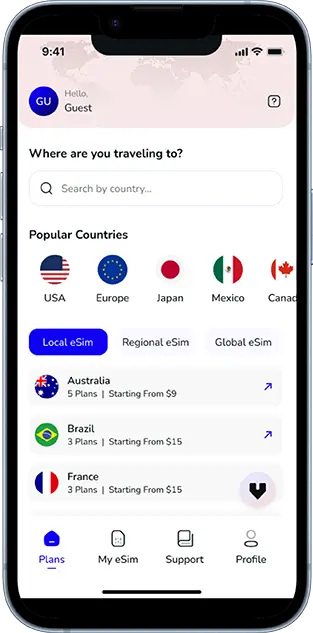
Visit voyeglobal.com/esim/morocco or download the Voye app. Select your plan, complete the purchase, and scan the QR code in your phone settings before you travel.

Practical Things That Catch Travelers Off Guard
The Moroccan Dirham (MAD) is a closed currency – you cannot purchase it before arrival. Exchange at the airport on arrival, at banks, or at official bureaux de change. The airport rate is typically less favorable than in the city.
Bargaining is expected in souks but not in restaurants or at fixed-price shops. Having a working data connection means you can quickly look up a fair price range before entering negotiation.
Dress code – in medinas and mosques, conservative dress is appreciated and in some cases expected. Lightweight long sleeves and trousers or long skirts are practical for June heat and appropriate everywhere.
Friday midday – many businesses, restaurants, and attractions close during Friday prayers. Plan accordingly.
Navigate Morocco with your own data
Medinas, mountain roads, and Atlantic coastline – all easier with reliable connectivity.
Frequently Asked Questions
Is Morocco safe to visit in June 2026?
Morocco is generally safe for tourists throughout the year. Standard travel precautions apply: be aware of pickpockets in busy medina areas, use official taxis or app-based services where available, and research your specific destinations before travel.
Is it too hot to visit Marrakech in June?
Marrakech in June is genuinely hot, with afternoon temperatures regularly reaching 38 to 40 degrees. It is manageable with proper planning: early morning activity, a long midday rest in shade or air conditioning, and evening exploration. Travelers who prefer cooler conditions should prioritize Essaouira and Chefchaouen instead.
Do I need a visa for Morocco in 2026?
Citizens of the EU, UK, USA, Canada, and many other countries can enter Morocco visa-free for stays of up to 90 days. Check the current visa policy for your specific nationality before travel.
Is a Morocco eSIM better than buying a local SIM on arrival?
A Voye eSIM activates before you land, requires no in-country registration with a passport, and keeps your home number active alongside it. Local SIM registration in Morocco requires a physical shop visit and passport presentation. For most tourists, the eSIM is the faster and more convenient option.
The Bottom Line

Morocco in June rewards travelers who understand the geography. The Atlantic coast is genuinely excellent in June – cool, breezy, and alive with the Gnawa festival in Essaouira. The mountains are green and hikeable. Marrakech is manageable with the right daily schedule. The Sahara edge is best experienced at dawn.
Get your connectivity sorted before you leave home. A Voye eSIM means you land ready – navigate medinas without getting lost, book accommodation on the go, and stay connected from the Atlantic coast to the edge of the desert.
Get your Voye eSIM for Morocco
Instant activation · Unrestricted hotspot · Use VOYE15 for 15% off your first order
Seamless Mobile Data Everywhere












 English