




Attending the FIFA World Cup 2026 is a once-in-a-lifetime experience, and if you’re heading to matches at MetLife Stadium, planning your transportation is just as important as securing your ticket. With millions of fans expected to travel to the New York and New Jersey region, logistics will be tightly managed, and understanding how to get to the stadium will save you time, stress, and confusion on match day.
Unlike regular NFL games or concerts, the World Cup comes with special transportation rules and limitations. The biggest change is that private vehicle parking will not be available for fans. Instead, event organizers have created a controlled transit system that relies heavily on trains and buses. If you’re traveling from New York City or nearby areas, you’ll need to follow a specific route that includes pre-booked transit services. This guide breaks down everything you need to know clearly and practically.
Why Transportation Is Different for the World Cup?
For most major events at MetLife Stadium, attendees have the option to drive and park nearby. However, the scale of the World Cup makes that impossible. With tens of thousands of international fans arriving for each match, authorities have implemented a strict no-parking policy to avoid congestion and security risks.
Stay Connected Match Day
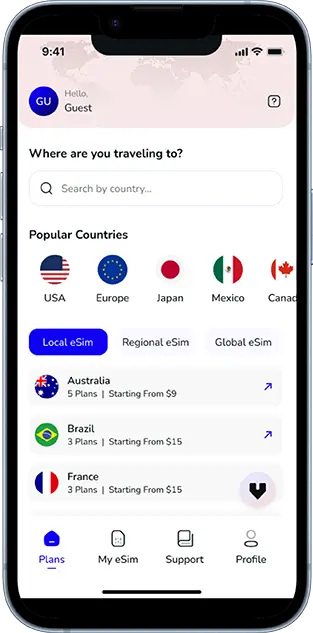
Access fast mobile data during World Cup travel and stadium transit.
Instead, transportation is centralized and controlled. Every fan must rely on designated public transit or chartered services. This approach ensures smoother crowd management and helps reduce traffic around the stadium. It also means that planning is not optional but essential.
The Main Way to Reach MetLife Stadium
The primary and most reliable option for reaching the stadium is via the rail network operated by NJ Transit. This system has been specially adapted for the tournament, with dedicated services designed to handle the surge in passengers.
Your journey typically starts at NY Penn Station, one of the busiest transit hubs in the United States. From there, you’ll take a train to Secaucus Junction, where you will transfer to the Meadowlands Rail Line that goes directly to MetLife Stadium.
This route is designed to be efficient and straightforward, but it does involve a transfer, which is important to factor into your timing.
Step-by-Step Travel Experience
Understanding the journey step by step can make the entire experience much easier, especially if you’re visiting the United States for the first time.
First, you will arrive at the NY Penn Station. This station is located in the heart of Manhattan and is accessible via subway, taxi, or on foot, depending on where you’re staying. Once inside, you will follow signs for NJ Transit trains heading toward Secaucus Junction.
Next, you will board the train to Secaucus Junction. This part of the journey is relatively short, typically taking around 10 to 15 minutes. Trains will run frequently during match days, but they are expected to be crowded, so arriving early is strongly recommended.
At Secaucus Junction, you will transfer to the Meadowlands Rail Line. This is a dedicated service that operates specifically for events at MetLife Stadium. Staff and signage will guide you, making the transfer straightforward even for first-time visitors.
Finally, the train will take you directly to the stadium. Once you arrive, you will be just a short walk away from the entrance gates.
Check out our plans
-

United States Voice 7 Days 1GB
USD 6.00 -
United States 7 Days Unlimited Data
USD 23.00 -
United States Voice 15 Days 3GB
USD 12.00 -
United States 15 Days Unlimited Data
USD 43.00 -
United States Voice 30 Days 10GB
USD 22.50 -
United States 30 Days Unlimited Data
USD 60.00
Ticket Requirements and Pricing
One of the most important things to know is that you cannot simply show up and buy a train ticket on the spot. Transportation must be booked in advance, and it is directly linked to your match ticket.
Round-trip rail tickets are expected to cost around 150 dollars. While this may seem expensive, it includes access to the entire journey from NY Penn Station to MetLife Stadium and back. The pricing reflects the high demand and the specialized services being provided.
To use these transit options, you must have a valid match ticket. This requirement helps manage crowd size and ensures that only ticket holders use the system.
Alternative Transportation Options
While trains are the primary mode of transportation, there are a few alternatives available for fans who may prefer a different approach.
Chartered buses are one option. These services will operate from various locations and are generally more affordable than the train. Prices are expected to start around 80 dollars for a round trip. These buses are organized specifically for World Cup attendees and will drop you off near the stadium.
Ride-sharing services are another possibility, but they come with limitations. There will be designated drop-off and pick-up zones, and demand will be extremely high. This means longer wait times and potentially higher costs due to surge pricing.
Walking or cycling is not a practical option due to the stadium’s location and infrastructure, so it is best to rely on organized transport.
Timing and Planning Your Journey
When it comes to attending a World Cup match, timing is everything. You should plan to arrive at least three to four hours before kickoff. This allows enough time for travel, security checks, and entering the stadium without stress.
Crowds will be significant at every stage of the journey, especially at NY Penn Station and Secaucus Junction. Delays are possible, so building extra time into your schedule is crucial.
Leaving the stadium after the match will also require patience. Thousands of fans will be heading back at the same time, and queues for trains and buses are expected. Staying calm and following instructions from staff will make the process smoother.
Travel Smart During FIFA
Enjoy seamless data access throughout your United States World Cup experience.
What to Expect on Match Day?
Match day at MetLife Stadium will be an electric experience, but it will also involve a lot of movement and coordination. From the moment you step into NY Penn Station, you will notice the scale of the event.
Expect large crowds, long lines, and a high level of security. There will be clear signage and staff available to assist, but it’s still important to stay aware of your surroundings and keep track of your belongings.
The train ride itself will be lively, filled with fans from around the world. It’s part of the experience, and many travelers find it to be one of the most memorable aspects of attending the World Cup.
Connectivity for International Travelers
If you’re traveling from abroad, staying connected is essential for navigating transportation, checking updates, and coordinating with friends or family. This is where having a reliable mobile data solution becomes important.
Using a Voye Global eSIM for the United States ensures that you have instant connectivity without the need for a physical SIM card. This allows you to access maps, transit updates, and ticket information in real time, making your journey to MetLife Stadium much smoother.
Having mobile data also helps in case of unexpected changes, such as delays or updated instructions from event organizers.
Key Tips for a Smooth Journey

While the transportation system is designed to be efficient, a few practical tips can make a big difference in your overall experience:
- Book your transit tickets as soon as you secure your match tickets
- Arrive early to avoid peak congestion
- Follow official signage and instructions at all stations
- Keep your match ticket and transit pass easily accessible
- Stay updated through official channels for any changes
These small steps can help you avoid unnecessary stress and ensure that you enjoy the event to the fullest.
Why Planning Matters?
The World Cup is not just another sporting event. It’s a global celebration that attracts fans from every corner of the world. With such a massive influx of visitors, even minor delays can become significant if you’re not prepared.
Planning your transportation allows you to focus on what really matters, which is enjoying the match and the atmosphere. It also gives you peace of mind, knowing that you have a clear and reliable way to get to and from the stadium.
The structured transportation system may feel restrictive at first, but it is designed to handle the scale of the event efficiently. Embracing this system is the best way to ensure a smooth experience.
Conclusion
Getting to MetLife Stadium for the FIFA World Cup 2026 requires careful planning and a clear understanding of the available transportation options. With no parking available and strict transit requirements in place, relying on pre-booked trains or buses is essential. The journey from NY Penn Station to Secaucus Junction and then to the stadium is straightforward, but it requires preparation and patience due to the expected crowds.
By securing your transit tickets early, allowing extra time for travel, and staying informed throughout your journey, you can make the experience seamless and enjoyable. Whether you choose the train or a chartered bus, the key is to plan and follow the guidelines provided by event organizers.
Ultimately, attending a World Cup match at MetLife Stadium is an unforgettable experience. With the right preparation, your journey to the stadium can be just as exciting as the match itself.

Seamless Mobile Data Everywhere














 English