




- Local Islands Open Up to Tourists
- Give Up for the Lower Price
- Maafushi: Where Most First-Timers Should Start
- Dhigurah: The Island for Whale Sharks
- Fulidhoo: The Slower, More Local Option
- Book a Sandbank Picnic
- Get Between Islands
- Stay Connected on Local Islands
- Final Thoughts on Skipping the Resort
- Frequently Asked Questions
Why Did Local Islands Open Up to Tourists?
Before 2010, resorts had the Maldives to themselves, each one built on its own private, uninhabited island. A change in tourism regulation that year allowed inhabited islands to build guesthouses and register for tourism, which opened up a much cheaper way to visit the country.
Since then, dozens of islands across different atolls have developed small guesthouse economies. Locals rent out rooms, run dive shops, and take visitors out on day trips, and the money stays much closer to the community than it does on a resort island.
What Do You Give Up for the Lower Price?
Being honest about the trade-offs will save you a disappointing first night. Local islands are not a discount version of a resort. They run on different rules, some of which come from the fact that these are Muslim communities where people actually live.
- No all-inclusive dining. You eat at local cafes and guesthouse restaurants, and a simple meal costs $5 to $15.
- Swimwear is restricted to a designated Bikini Beach rather than allowed island-wide, out of respect for local custom.
- Snorkeling usually means joining a shared boat trip rather than stepping off your own deck into the reef.
- Transport is public ferries and shared speedboats, not a resort seaplane transfer waiting at the airport.
None of this makes the trip worse. It makes it a real place instead of a sealed-off resort bubble, and for a lot of travelers that is the point.
Get Online Before You Land
Sort ferries, speedboats, and guesthouse bookings before you even reach Male.
Maafushi: Where Most First-Timers Should Start?
Maafushi is the most developed local island for tourism, and it is the easiest one to plan around. It sits about 45 minutes by speedboat from Male, and it has dozens of guesthouses, several dive schools, and enough excursion operators competing for business that prices stay reasonable.
That competition works in your favor. You can compare snorkeling trips, dolphin cruises, and sandbank picnics side by side on the same street, and prices rarely stray far from one operator to the next. Maafushi has a proper Bikini Beach, a small but lively strip of restaurants, and enough English spoken that first-time visitors rarely feel lost.
If you only have a few days and want a reliable, well-organized introduction to local island life, Maafushi is the sensible pick.
Dhigurah: The Island for Whale Sharks?
Dhigurah sits in South Ari Atoll, an area known for year-round whale shark encounters, which is the main reason divers and snorkelers choose it over Maafushi. Tour operators here run dedicated whale shark excursions almost daily, and sightings are common enough that most trips deliver.
The island itself is quieter and less built up than Maafushi, with a longer natural beach and a slower pace. Guesthouse choices are fewer, so it is worth booking a week or two ahead in peak season, but the trade for a calmer island is easy to make if wildlife is your priority.
Skip the Resort WiFi Fees
Stay connected on local islands without paying inflated resort internet rates.
Fulidhoo: The Slower, More Local Option?
Fulidhoo is the quiet choice among these three, and it feels the most like visiting an actual Maldivian community rather than a tourist strip. It is reachable by public ferry from Male, which costs less than a speedboat transfer but takes considerably longer, often several hours with a stop or two along the way.
There are fewer guesthouses, fewer restaurants, and far fewer other tourists. Evenings often mean a bodu beru drumming performance on the beach or a quiet walk through the village. If Maafushi feels too built up for what you’re after, Fulidhoo is the answer.
Check out our plans
-
Maldives 7 days 3GB
USD 24.00 -
Maldives 14 days 7GB
USD 55.00 -
Maldives 30 days 3GB
USD 31.00 -
Maldives 30 days 10GB
USD 75.00
How Do You Book a Sandbank Picnic?
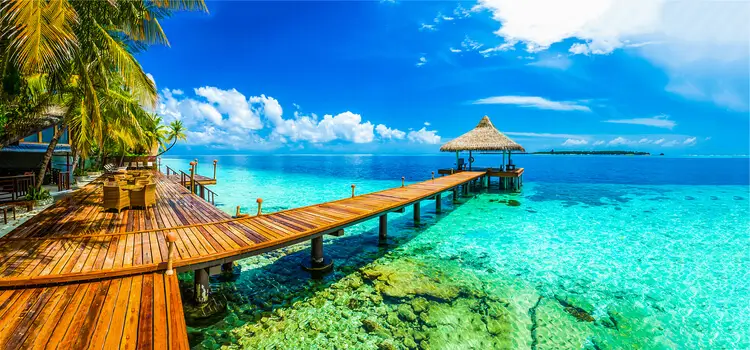
The sandbank is the experience that makes local island travel worth it. Almost every guesthouse on Maafushi, Dhigurah, or Fulidhoo can arrange one. A boatman takes a small group out to an uninhabited sandbank, sometimes rising only a few feet above the water in the middle of open ocean, for two to three hours of swimming and snorkeling.
There is no infrastructure out there, just white sand, clear water, and whatever snorkeling gear the boat brought along. It typically costs around $40 per person, lunch sometimes included, and it is the same postcard image resorts charge hundreds of dollars for, minus the private beach lounger.
Book it through your guesthouse a day or two in advance. Good weather windows fill up fast in peak season, especially December through April.
How Do You Get Between Islands?
Moving around the Maldives outside a resort transfer means learning two systems: public ferries and shared speedboats. Ferries are the budget option, run by the government-linked MTCC network, and connect Male to most inhabited islands on published schedules, though routes and departure times shift by season.
Speedboats cost more but move faster and run more frequently between the popular tourist islands like Maafushi. Most guesthouses can book a speedboat transfer for you directly, or you can book through the MTCC portal yourself if you’re comfortable navigating it.
Island hopping logic here is similar to what independent travelers deal with in other archipelago destinations, and if you’ve read our guide to island hopping in Thailand, the mindset carries over: check schedules ahead of time, build in buffer days, and don’t assume a boat will be waiting the moment you want one.
Plan Your Island Route Easily
Check MTCC ferry times and message guesthouses with reliable data on hand.
How Do You Stay Connected on Local Islands?
Dhiraagu and Ooredoo, the Maldives’ two mobile networks, cover the inhabited islands well, including Maafushi, Dhigurah, and Fulidhoo. Signal on uninhabited sandbanks is a different story, but on the islands themselves you’ll have reliable data most of the time.
You’ll actually need that data before you land, not just once you’re there. Checking ferry schedules, booking a speedboat through the MTCC portal, and messaging guesthouse owners on WhatsApp to confirm a room or arrange airport pickup all happen online, often before you’ve left home. A Voye Global eSIM gets you connected the moment you touch down at Velana International Airport, without hunting for a local SIM counter or paying resort WiFi rates once you’re settled on your island. It’s a similar setup to what we cover for other archipelago trips, like staying connected across Thailand’s islands.
Final Thoughts on Skipping the Resort
The Maldives outside a resort is not a compromise, it is a different trip with its own rhythm: shared boats instead of private transfers, local cafes instead of buffets, and a Bikini Beach instead of the whole shoreline. In exchange, you get the same turquoise water and coral reefs at a fraction of the price, plus a much closer look at how people actually live in this part of the world.
Start with Maafushi if you want an easy first trip, add Dhigurah if whale sharks matter to you, and choose Fulidhoo if you want the slowest, most local version of the Maldives. Whichever island you pick, book your sandbank trip early and make sure you’re online before you land so ferries, speedboats, and guesthouse bookings don’t turn into guesswork.
Frequently Asked Questions
No, resorts make up only around 20% of Maldives tourism. Since 2010, over 200 inhabited local islands have welcomed independent travelers, offering guesthouses, local restaurants, and the same turquoise water at a fraction of resort prices.
Yes, islands like Maafushi, Dhigurah, and Fulidhoo have registered guesthouses open to tourists. You can book a room, arrange snorkeling trips, and take a sandbank picnic just as you would through a resort, at a much lower cost.
Local islands are real Maldivian communities with cafes, shops, and mosques rather than private tourist bubbles. Expect a designated Bikini Beach instead of island-wide swimwear, shared excursion boats, and a more grounded, everyday pace of life.
Public ferries run by MTCC connect Male to most inhabited islands and are the cheapest option, though slower. Shared speedboats cost more but move faster and are the standard way to reach popular islands like Maafushi.
Yes, local islands are generally safe and welcoming to tourists. Following local dress customs, especially around designated swimwear beaches, and booking excursions through your guesthouse are the main things to keep in mind.
Local islands are Muslim communities, so modest dress is expected outside the Bikini Beach area. Evenings often bring bodu beru drumming, small local markets, and a slower, family-oriented pace compared to resort islands.
Yes, guesthouses have operated legally on inhabited islands since 2010. Double rooms with breakfast typically cost $60 to $150 a night, compared to $400 to $2,000 at resorts, making this the budget route into the Maldives.
A guesthouse room runs $60 to $150 a night, meals cost $5 to $15, and a sandbank picnic excursion is around $40 per person. It’s possible to experience the Maldives well under resort-level budgets.

Seamless Mobile Data Everywhere











 English