




Malaysia is a country where food is not just a necessity but a way of life. From bustling street markets to elegant dining spots, every corner of the country offers something unique to taste and explore. The diversity of Malaysia’s culinary scene reflects its rich cultural heritage, blending Malay, Chinese, Indian, and indigenous influences into dishes that are bold, aromatic, and unforgettable. For travelers, discovering Malaysia through its food is one of the most immersive experiences possible.
Whether you are wandering through Kuala Lumpur’s lively streets or relaxing on the islands of Penang and Langkawi, the country’s flavors will follow you everywhere. This Malaysia food guide is designed to help you navigate the must-try dishes, local specialties, and food experiences that define the nation.
The Cultural Roots of Malaysian Cuisine
Malaysia’s cuisine is deeply rooted in its multicultural society. The three main influences come from Malay, Chinese, and Indian communities, each contributing distinct flavors, cooking techniques, and ingredients. Over time, these influences have merged to create what is now recognized as Malaysian cuisine.
Stay Connected in Malaysia
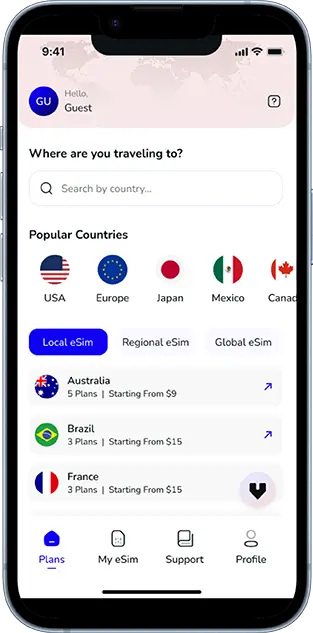
Enjoy seamless data connectivity across Malaysia without physical SIM hassle.
Malay food often uses ingredients like coconut milk, lemongrass, and spices, resulting in rich and fragrant dishes. Chinese cuisine in Malaysia introduces stir-frying techniques, noodles, and soy-based flavors. Indian food adds bold spices, curries, and breads like roti. Together, these culinary traditions create a diverse and dynamic food culture that is both comforting and exciting.
Must-Try Malaysian Dishes
One of the best ways to explore Malaysia is by diving into its iconic dishes. Each meal tells a story of tradition, community, and flavor.
Nasi lemak is widely considered the national dish of Malaysia. It features fragrant rice cooked in coconut milk, served with sambal, fried anchovies, peanuts, boiled eggs, and cucumber. While traditionally served with sambal cuttlefish or hard-boiled eggs, it is now most commonly enjoyed with crispy spiced fried chicken (Ayam Goreng Berempah) or beef rendang for a truly hearty meal.
Char kway teow is a popular street food made with flat rice noodles stir-fried with shrimp, eggs, Chinese sausage, and bean sprouts. The smoky flavor, known as “wok hei,” gives this dish its signature taste.
Roti canai is a beloved breakfast item influenced by Indian cuisine. This flaky flatbread is served with dhal or curry and is known for its crispy exterior and soft interior.
Laksa is a spicy noodle soup that varies by region. Penang’s asam laksa is tangy and fish-based, while curry laksa is creamy and rich with coconut milk.
Satay consists of skewered and grilled meat served with a delicious peanut sauce. It is a staple at night markets and a favorite among both locals and tourists.
Street Food Culture in Malaysia
Street food is at the heart of Malaysia’s culinary identity. Night markets, also known as pasar malam, are the best places to experience authentic local flavors at affordable prices. These markets are vibrant, lively, and filled with the aroma of freshly cooked food.
Walking through a night market, you will find vendors preparing dishes right in front of you. From sizzling noodles to freshly grilled satay, the experience is as enjoyable as the food itself. Street food in Malaysia is not just about eating but about connecting with the local culture.
Some popular street food items include apam balik, a sweet pancake filled with peanuts and corn, and cendol, a refreshing dessert made with shaved ice, coconut milk, and palm sugar.
Check out our plans
-

Malaysia 7 Days 5GB
USD 9.00 -
Malaysia 7 Days Unlimited
USD 13.00 -
Malaysia 15 Days 8GB
USD 15.00 -
Malaysia 15 Days Unlimited
USD 23.00 -
Malaysia 30 Days 15GB
USD 21.00 -
Malaysia 30 Days Unlimited
USD 39.00
Regional Food Highlights
Malaysia’s food scene varies significantly by region, offering travelers a chance to experience diverse flavors across the country.
Penang is often referred to as the food capital of Malaysia. The island is famous for its street food, including char kway teow, Penang laksa, and nasi kandar. George Town, a UNESCO World Heritage site, is a must-visit for food lovers.
Kuala Lumpur, the capital city, offers a mix of traditional and modern dining experiences. From street food stalls to upscale restaurants, the city caters to every taste and budget.
Malacca is known for its Peranakan cuisine, which blends Chinese and Malay influences. Dishes like ayam pongteh and laksa nyonya are unique to this region.
Sabah and Sarawak, located on the island of Borneo, offer a different culinary experience with indigenous ingredients and cooking styles. A must-try here is Sarawak Laksa, a complex, earthy noodle soup famously praised by the late Anthony Bourdain. Seafood is also a major highlight, often served fresh and prepared with local herbs.
Unique Malaysian Ingredients
What makes Malaysian food stand out is its use of unique ingredients that create complex and layered flavors. Lemongrass, pandan leaves, turmeric, and galangal are commonly used in many dishes. Coconut milk adds richness, while chili peppers bring heat and intensity.
Belacan, a fermented shrimp paste, is a key ingredient in many Malaysian recipes. It adds depth and umami to dishes like sambal. Tamarind is often used to provide a tangy balance to spicy flavors.
Durian, known as the “king of fruits,” is another iconic ingredient. While its strong smell may be overwhelming for some, its creamy texture and unique taste make it a must-try for adventurous travelers.
Dining Etiquette and Food Customs
Understanding local dining customs can enhance your food experience in Malaysia. Meals are often shared, and it is common to order multiple dishes for the table. Eating with your hands is acceptable in many traditional settings, especially when enjoying Malay or Indian cuisine.
Halal food is widely available, as Malaysia has a large Muslim population. Many restaurants clearly indicate whether they are halal-certified, making it easier for travelers to choose where to eat.
Tipping is not mandatory in Malaysia, as a 10% service charge and 6% service tax (SST) are usually included in the bill at restaurants. However, leaving a small amount of change or tipping for exceptional service is always appreciated.
Hassle Free Malaysia Connectivity
Activate instant data plans in Malaysia with reliable travel connectivity.
Best Food Experiences for Travelers
To truly experience Malaysia’s food culture, travelers should go beyond just eating at restaurants. Participating in food tours, cooking classes, and market visits can provide deeper insights into the country’s culinary traditions.
Food tours are a great way to discover hidden gems and learn about the history behind each dish. Cooking classes allow you to recreate Malaysian recipes at home, giving you a lasting connection to your travel experience.
Visiting local markets is another must-do activity. These markets offer fresh produce, spices, and snacks, providing a glimpse into daily life in Malaysia.
The Role of Food in Malaysian Identity
Food plays a central role in Malaysian identity and social life. It brings people together, whether it is a family gathering, a festive celebration, or a casual meal with friends. The country’s diverse culinary traditions reflect its multicultural society and promote a sense of unity.
Festivals in Malaysia are often celebrated with special dishes. During Hari Raya, families prepare traditional Malay dishes like rendang and ketupat. Chinese New Year features dishes like yee sang, symbolizing prosperity and good fortune. Deepavali celebrations include a variety of Indian sweets and snacks.
These food traditions not only preserve cultural heritage but also create opportunities for people to share and appreciate each other’s customs.
Tips for Food Lovers Visiting Malaysia

Exploring Malaysia’s food scene can be overwhelming, especially for first-time visitors. Here are a few tips to make the most of your culinary journey:
- Try dishes from different cultures to experience the full diversity of Malaysian cuisine
- Visit night markets for authentic and affordable food
- Stay hydrated, as many dishes can be spicy
- Be open to trying new flavors and ingredients
Having reliable internet access can also make a big difference. Using an eSIM helps you navigate food spots, read reviews, and discover trending eateries without any hassle.
Conclusion
Malaysia is a paradise for food lovers, offering a culinary journey that is as diverse as its culture. From iconic dishes like nasi lemak and laksa to the vibrant street food scene, every bite tells a story of tradition and innovation. Whether you are exploring bustling cities or quiet coastal towns, the country’s flavors will leave a lasting impression.
For travelers, experiencing Malaysia through its food is one of the most rewarding aspects of the journey. By staying connected with tools like a Malaysia eSIM from Voye Global, you can easily navigate the country’s rich food landscape and make the most of your trip. Embrace the flavors, explore the markets, and let Malaysia’s cuisine guide your adventure.

Seamless Mobile Data Everywhere














 English