




Every travel guide to Japan tells you June is the rainy season – tsuyu (梅雨), literally “plum rain” – and quietly implies you should go in October instead. What those guides do not tell you: the hydrangea season that tsuyu produces in Kamakura is one of the most visually extraordinary natural phenomena in East Asia, and it only happens in June. Meigetsuin Temple – the Hydrangea Temple – fills with thousands of blue and purple blooms along every path and hillside. The photographs of Kamakura’s ajisai (hydrangea) season are among the most recognizable images of Japan, and they require June rain to exist. The travelers who discover this stop saying they wish they had gone in autumn.
The Hydrangea Season: Japan’s Best June Reason
Kamakura – The Essential Day Trip
Kamakura, a coastal city 50km south of Tokyo, is the primary destination for June hydrangea viewing. The city is packed with temples set into wooded hillsides where hydrangeas grow in conditions – shade, moisture, acidic soil – that tsuyu creates perfectly. The season peaks in mid-June.
Meigetsuin Temple (明月院) – the Hydrangea Temple – is the most famous and most photogenic. The temple’s paths and hillsides are lined entirely with a single variety of blue-violet hydrangea that blooms in perfect synchronization. The circular window (tsuki no mado) at the main hall frames a garden scene that appears in thousands of Japanese photographs. Arrive at opening (9am) for the shortest queues; crowds build significantly by 10:30am. Entry approximately ¥500.
Hasedera Temple has over 2,000 hydrangea plants on an elevated observation path above Kamakura’s town and the sea. The combination of hydrangeas, the ocean view, and the Great Buddha of Kamakura (Kotoku-in) nearby makes Hasedera worth a half-day. The giant bronze Buddha (¥300 entry) is a 10-minute walk.
From Tokyo: take the Yokosuka Line or Shonan-Shinjuku Line from Shinjuku or Shibuya to Kamakura station (approximately 55 minutes). The JR Pass covers this journey.
Kyoto’s Hydrangeas
Kyoto has its own hydrangea season in June. Fujinomori Shrine in southern Kyoto is one of the less-visited options with beautiful hydrangea gardens around the main shrine buildings. Mimuroto-ji Temple in Uji (south of Kyoto, on the Kintetsu Kyoto Line) has 10,000 hydrangea plants and is considered one of Kansai’s best ajisai spots. Both sites are significantly less crowded than Kamakura.
The Hokkaido Escape: Japan Without Tsuyu

Hokkaido, Japan’s northernmost island, does not experience tsuyu. This is not a minor point – it is the decisive factor for travelers who want Japan in June without the humidity and rain that affect every other major island. Hokkaido in June is green, warm (18-22°C), clear, and running on the tailwind of the Sapporo snow season. The tourists who fill Kyoto and Tokyo in October are in Europe in June.
Sapporo in June: the Sapporo Beer Garden, Odori Park, the clock tower, and the TV Tower. The city is clean, easy to navigate, and serves Hokkaido’s extraordinary dairy and seafood culture at every price point.
Furano and Biei in June: the lavender fields that define this area reach their peak in late June through July – purple rows across rolling hills, the kind of landscape that appears on Japan’s promotional materials. The lavender harvest in Furano begins in July but the early blooms in late June are excellent. Furano is 2 hours from Sapporo by train (Limited Express Lilac or Furano Express).
Shiretoko Peninsula on Hokkaido’s east coast is a UNESCO World Heritage Site and one of the most biodiverse areas in Japan. June is the beginning of the wildlife season: brown bears are visible on the river systems (Shiretoko Five Lakes and the Rusha River), sea eagles and Steller’s sea eagles are present, and the pack ice has melted enough to allow boat tours of the peninsula coastline.
Understanding Tsuyu: What It Actually Means Practically
Tsuyu in 2026 is forecast to run from early June to mid-July across most of Japan, with 2026 expected to bring heavier rainfall than average – particularly in Kyushu and the Tohoku region. For Tokyo, Kyoto, and Osaka, the practical reality of tsuyu is: high humidity (70%+ is common), temperatures 22-28°C, and intermittent rain that comes in bursts rather than all-day downpours. Most days have several dry hours, and some days do not rain at all.
The rain is heavier in Kyushu (Fukuoka, Nagasaki, Kumamoto) and lighter in Tokyo and the Kanto Plain. Hokkaido is exempt entirely. Okinawa has already finished its earlier rainy season by June.
What Tsuyu Is Good For
Onsen in the rain. The rotenburo (outdoor hot spring bath) experience is at its most atmospheric in June rain – sitting in warm mineral water while rain falls on the surrounding forest is a specific Japanese pleasure that dry weather does not provide. Nikko, Hakone, and Kinosaki Onsen are all excellent tsuyu-season onsen destinations.
Kabukiza Theatre in Ginza, Tokyo. The formal kabuki theatre offers single-act tickets (hitomakumi) that provide a one-act experience (typically 1-2 hours) without committing to a full 4-5 hour programme. Afternoon rainy days in Tokyo are improved significantly by 90 minutes of kabuki.
Depachika. The basement food halls of Japan’s major department stores are extraordinary at any time of year but particularly useful when the rain arrives. Isetan in Shinjuku, Takashimaya in Shinjuku and Osaka, and Daimaru in Tokyo are the best.
Mount Fuji in June: Be Honest With Yourself
Mount Fuji is visible from Tokyo (on clear days from Shinjuku or the Bunkyo Civic Centre observation deck) for approximately one in four days in June. The summit is frequently in cloud. If seeing Fuji is the primary purpose of your Japan trip, June is not the optimal month – November to February delivers 70%+ clear-peak visibility. If Fuji is one item among many, include the Fuji Five Lakes area as a potential activity and accept the visibility odds.
Visiting Japan in June?
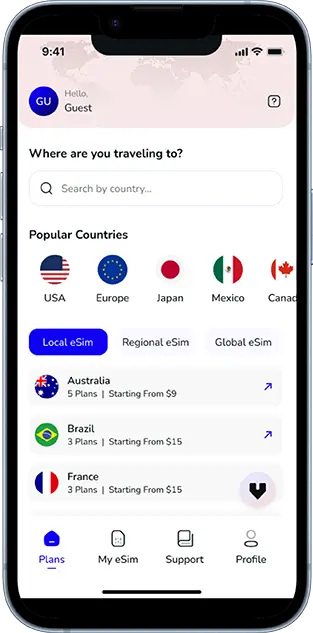
Get your Voye eSIM before you fly – Japan plans from $6/3 days, data resets at midnight, hotspot included.
Getting a Japan eSIM: Why Voye Is the Smart Choice
Japan has some of the best mobile coverage in the world. 4G LTE reaches essentially everywhere visitors are likely to go, including rural Hokkaido. Airport SIM kiosks at Narita and Haneda have queues that range from 15 minutes to over an hour depending on arrival time. Pocket WiFi rental devices require separate charging. A Voye eSIM for Japan activates when you clear immigration – no queue, no extra device.
Japan Plans
- 3 Days – $6 · 3GB/day high-speed, data resets at midnight
- 7 Days – $13 · 3GB/day high-speed, data resets at midnight
- 10 Days – $17 · 3GB/day high-speed, data resets at midnight
- 15 Days – $23 · 3GB/day high-speed, data resets at midnight
- 20 Days – $29 · 3GB/day high-speed, data resets at midnight
- 30 Days – $39 · 3GB/day high-speed, data resets at midnight
Key Benefits
- Instant digital delivery – activate before you fly, data starts the moment you land at Narita or Haneda
- Unrestricted hotspot – share your Japan data with travel companions from one plan
- Keep your home number active – calls, messages, and banking codes continue normally
- 24/7 multilingual support throughout your trip
- Website and app in 13 languages
Use Cases in Japan in June
- Navigating Kamakura’s temple complex and managing timed entry queues with maps and real-time info
- Booking Meigetsuin Temple timed entry slots – these fill up on peak June weekends
- Using Google Translate’s camera mode on Japanese-only temple signs, menus, and train information
- Checking Fuji visibility forecasts from the Yamanakako viewpoint in real time
- Finding the Shiretoko brown bear observation schedule in Hokkaido
- Navigating the Hokkaido railway network between Sapporo, Furano, and the east coast

Practical Things That Catch Tsuyu Travelers Off Guard
Pack a compact umbrella, not a poncho. Japanese umbrellas (kasa) are available at every convenience store for ¥500-1000 and are significantly better designed than most travelers’ home country options. Buy one on arrival and replace it if needed.

Air conditioning is everywhere – and aggressive. The interiors of trains, shops, restaurants, and museums in Japan in June are often cold enough that a light jacket or cardigan is necessary. The temperature difference between the humid 27°C outside and the 18°C air-conditioned interior is jarring. Pack a layer that fits in a bag.
IC cards (Suica or Pasmo) – load a rechargeable transit card at any JR or Metro station on arrival and tap in and out of every train, bus, and convenience store in the country. The Suica app now works on Apple Pay and Google Pay, eliminating the need for a physical card.
Rainy day temple strategy – the most popular temples (Fushimi Inari, Arashiyama bamboo grove, Senso-ji) are quieter in rain. Kyoto’s major temples in light June rain have a quality of atmosphere that high season sunshine does not provide. Carry the umbrella and go anyway.
Navigate Japan in June with reliable data
Kamakura hydrangeas to Hokkaido lavender to Tokyo temples – your Japan eSIM covers it all.
Frequently Asked Questions
Is Japan worth visiting during tsuyu in June?
Yes, for the right reasons. The hydrangea season in Kamakura is one of the most photographed natural phenomena in Japan and only happens during tsuyu. Hokkaido is completely rain-free and is at its most beautiful in June. Temple crowds are lower than in autumn. The rain is intermittent rather than all-day. With an umbrella and flexible planning, June in Japan is genuinely rewarding.
What is the best place to see hydrangeas in Japan in June?
Kamakura is the primary destination. Meigetsuin Temple (the Hydrangea Temple) peaks in mid-June and is the most photographed. Hasedera Temple nearby offers 2,000+ plants with sea views. Arrive at temple opening times (typically 9am) to beat the crowds that build by mid-morning on weekends.
Does Hokkaido have a rainy season in June?
No. Hokkaido is the only major Japanese island that does not experience tsuyu. June in Hokkaido is warm (18-22°C), dry, and green. Sapporo, Furano (early lavender), and the Shiretoko Peninsula (wildlife season) are all excellent in June. For travelers who want Japan without the humidity and rain, Hokkaido in June is the answer.
What are Japan’s unlimited data plans from Voye?
Voye offers Japan unlimited data plans with 3GB of high-speed data per day, with daily high-speed data resetting at midnight. Plans available: 3 Days ($6), 7 Days ($13), 10 Days ($17), 15 Days ($23), 20 Days ($29), 30 Days ($39). All plans include unrestricted hotspot.
The Bottom Line

Japan in June is a different Japan from the one October travelers experience. It is quieter at the most famous sites, moodier in the most atmospheric ways, and specific about what it offers: the hydrangeas of Kamakura, the clear skies of Hokkaido, the rotenburo onsen in rain, and the 20-minute showers that clear to reveal temple gardens dripping and luminous. Travel with an umbrella and no fixed outdoor schedule.
Get your Voye Japan eSIM before you fly. Land at Narita with data already running. Take the Yokosuka Line to Kamakura on your second day. Stand at Meigetsuin at 9 am in mid-June.
Get your Voye eSIM for Japan
Plans from $6 · 3GB/day · Hotspot included · Use VOYE15 for 15% off your first order
Seamless Mobile Data Everywhere













 English