




Vienna has a reputation for elegance, classical music, grand architecture, and café culture that feels timeless. Many travelers assume Austria’s capital is one of the most expensive cities in Europe, but the reality is more balanced than most people expect. While Vienna certainly offers luxury experiences, it is also surprisingly manageable for travelers who know how to budget wisely. From affordable public transportation to reasonably priced local food, the city can fit a range of travel styles without sacrificing comfort or memorable experiences.
Whether you are planning a short city escape, a cultural vacation, or a longer European trip, understanding the actual cost of traveling in Vienna can help you avoid overspending. Accommodation, transportation, food, attractions, and connectivity all contribute to your total budget. This guide gives a realistic breakdown of what travelers can expect to spend in Vienna while also helping you understand where you can save money without missing out on the city’s charm.
Understanding the Cost of Traveling in Vienna
Compared to cities like Paris, London, or Zurich, Vienna sits somewhere in the middle when it comes to travel expenses. It is not the cheapest destination in Europe, but it is also not as expensive as many first-time visitors imagine. Travelers who plan usually find that Vienna offers strong value for the quality of experiences available.
The city is known for cleanliness, efficient infrastructure, and excellent public services. These factors make daily travel smooth and reduce unnecessary expenses. Most tourist areas are walkable, transportation is reliable, and there are plenty of free or low-cost attractions throughout the city.
Stay Connected Across Vienna
Enjoy seamless internet access while exploring Vienna without expensive roaming charges.
Your budget in Vienna depends largely on your travel style. Backpackers can comfortably explore the city on a lower budget, while luxury travelers can spend significantly more on premium hotels, fine dining, and cultural experiences.
Average Daily Budget in Vienna
For most travelers, the average daily cost in Vienna can be divided into three categories:
Budget Travelers
Budget travelers can expect to spend around $70 to $110 per day. This typically includes hostel accommodation, public transport, inexpensive meals, and a few affordable attractions.
Mid Range Travelers
A comfortable mid-range trip usually costs between $150 and $250 per day. This includes staying in a decent hotel, eating at quality restaurants, visiting museums, and using transportation freely.
Luxury Travelers
Luxury travelers can easily spend $400 or more daily, especially when staying in upscale hotels, attending premium cultural events, and dining at high-end restaurants.
These estimates vary depending on the season. Summer and Christmas markets often increase hotel prices, while spring and autumn may offer better value.
Accommodation Costs in Vienna
Accommodation is usually the largest travel expense in Vienna. Prices depend heavily on location, travel season, and hotel category.
Hostels in Vienna are modern, clean, and surprisingly comfortable. Dorm beds generally cost between $25 and $45 per night. Many include breakfast and are located near metro stations, making transportation convenient.
Budget hotels and guesthouses typically range from $80 to $140 per night. These are ideal for couples or solo travelers who want privacy without spending excessively.
Mid-range hotels usually cost between $150 and $250 per night. Many offer stylish interiors, central locations, and amenities like breakfast buffets or wellness areas.
Luxury hotels in Vienna can exceed $400 per night, especially around the Innere Stadt district. These properties often reflect Vienna’s imperial history and offer exceptional hospitality experiences.
Travelers looking to save money should consider staying slightly outside the city center. Vienna’s public transportation system makes commuting simple and efficient, so you do not necessarily need to stay near every major attraction.
Food and Dining Expenses
Vienna’s food scene combines Austrian tradition with international influences. Dining costs vary significantly depending on where and what you choose to eat.
Breakfast at a café generally costs between $10 and $20. Many travelers enjoy pastries, coffee, and local specialties while soaking in Vienna’s famous café culture.
Casual meals at local restaurants usually cost around $15 to $25 per person. Popular dishes include Wiener Schnitzel, goulash, sausages, and apple strudel.
Mid-range restaurants often charge between $30 and $60 for a complete meal with drinks. Dining in tourist-heavy areas can cost slightly more, but quality is usually excellent.
Fine dining experiences in Vienna can easily exceed $100 per person, especially at Michelin-recognized establishments or historic restaurants.
Street food and supermarkets provide excellent opportunities for budget travelers. You can grab sandwiches, snacks, or ready-to-eat meals for under $10. Grocery stores are common across the city and often sell fresh, affordable options.
Check out our plans
-

Austria 7 Days Unlimited
USD 13.00 -
Austria 10 Days Unlimited
USD 17.00 -
Austria 15 Days Unlimited
USD 23.00 -
Austria 30 Days 15GB
USD 13.00 -
Austria 30 days 25GB
USD 20.00 -
Austria 30 Days Unlimited
USD 39.00
Public Transportation and Getting Around
One reason Vienna feels more affordable than expected is its excellent public transportation network. The city’s metro, trams, and buses are reliable, clean, and easy to navigate.
A single transport ticket costs only a few dollars, while daily and weekly passes provide even better value. Travelers staying several days should consider multi-day transit passes to reduce transportation expenses.
Taxis and rideshare services are available, but can become expensive if used frequently. Fortunately, Vienna is highly walkable, especially in the historic center.
Cycling is another affordable option. The city has bike-friendly infrastructure and rental systems that make short rides convenient for visitors.
Airport transportation is also straightforward. The train connection from Vienna International Airport to the city center is efficient and far cheaper than taking a taxi.
Attraction and Sightseeing Costs
Vienna is packed with cultural landmarks, museums, palaces, and concert venues. Attraction costs can add up quickly, but many experiences justify the price because of their historical and artistic significance.
Popular attractions such as Schönbrunn Palace, Belvedere Palace, and the Albertina Museum usually charge entrance fees ranging from $15 to $30.
Classical music concerts are a major part of Vienna’s identity. Ticket prices vary widely depending on the venue and performance quality. Budget-friendly concerts may cost around $40, while premium orchestra performances can exceed $200.
Museum lovers should consider city passes or combination tickets, which can help reduce costs if you plan to visit several attractions in a short period.
Fortunately, Vienna also offers many free experiences. Walking through historic streets, exploring public parks, visiting local markets, and admiring architecture cost nothing while still delivering memorable moments.
Is Vienna Expensive Compared to Other European Cities?
Compared to major Western European capitals, Vienna often feels more affordable than expected. Hotel prices are generally lower than in Paris or London, and public transportation is significantly cheaper.
Food quality in Vienna is also excellent for the price. Travelers often find they can enjoy satisfying meals without spending excessively, especially outside major tourist zones.
What truly adds value in Vienna is the overall quality of life travelers experience during their visit. The city is safe, organized, clean, and efficient. Many visitors feel they receive a premium travel experience without paying premium-level prices across every category.
That said, Vienna is still more expensive than cities in Eastern Europe or parts of Southern Europe. Travelers coming from destinations like Budapest or Prague may notice higher accommodation and dining costs.
Easy Travel Data Solution
Access maps, bookings, and travel apps smoothly throughout your Austria trip.
How to Save Money While Visiting Vienna?
Travelers who budget strategically can significantly reduce costs in Vienna without sacrificing experiences.
Booking accommodation early is one of the easiest ways to save money. Prices rise quickly during holidays, festivals, and peak summer months.
Using public transportation instead of taxis can also make a noticeable difference in your overall budget. Vienna’s metro system reaches nearly every important neighborhood and tourist attraction.
Eating outside the most crowded tourist areas often leads to better prices and more authentic meals. Local bakeries, casual restaurants, and neighborhood cafés usually offer excellent quality at lower prices.
Travelers should also take advantage of free attractions. Vienna’s architecture, gardens, and public spaces create memorable experiences without requiring expensive tickets.
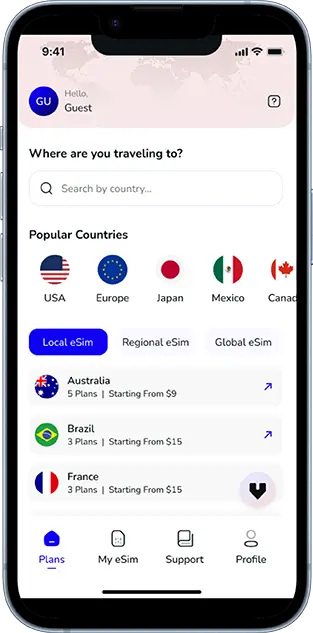
Staying connected affordably is another important factor many travelers overlook. International roaming charges can become surprisingly expensive during European trips. Using an Austria eSIM allows travelers to access maps, book transportation, stay connected with family, and manage reservations without depending entirely on public WiFi. Many visitors now prefer digital SIM options because they are more convenient and cost-effective than traditional roaming plans.
Best Time to Visit Vienna for Better Prices

Vienna’s travel costs fluctuate throughout the year. Summer is one of the busiest periods due to warm weather, cultural festivals, and increased tourism. Hotel rates are often highest during this season.
The Christmas market season is another expensive period because Vienna becomes one of Europe’s most popular winter destinations.
Travelers looking for better prices should consider visiting during the spring or autumn. These seasons often provide comfortable weather, smaller crowds, and more reasonable hotel rates.
Winter outside the holiday season can also offer affordable deals, although temperatures are colder and daylight hours are shorter.
Booking flights and accommodation several months in advance usually helps secure lower prices regardless of the season.
Is Vienna Worth the Cost?
For most travelers, Vienna absolutely justifies its cost. The city offers a unique blend of history, culture, music, architecture, and modern convenience that feels difficult to replicate elsewhere in Europe.
Visitors can spend the morning exploring imperial palaces, enjoy traditional coffeehouses in the afternoon, and attend world-class concerts in the evening. Few cities combine elegance and efficiency as successfully as Vienna.
The city also appeals to different types of travelers. Solo travelers appreciate the safety and transportation system, couples enjoy the romantic atmosphere, and families benefit from clean public spaces and organized attractions.
Even travelers on tighter budgets can experience Vienna meaningfully by planning carefully and prioritizing experiences that matter most to them.
Conclusion
Vienna may not be Europe’s cheapest destination, but it offers strong value for the quality of travel experiences available. With thoughtful planning, travelers can enjoy the city comfortably without overspending. Accommodation and attractions are typically the largest expenses, while transportation and local food can remain surprisingly manageable. If staying connected matters during your trip, using an Austria eSIM in Vienna from Voye Global can also help reduce roaming costs while making travel easier across Austria.
Ultimately, Vienna delivers an experience that feels refined, culturally rich, and highly rewarding. Whether you are visiting for music, history, architecture, or simply the atmosphere, the city leaves a lasting impression on most travelers. By understanding the realistic costs ahead of time and using smart travel tools like an eSIM, you can enjoy Vienna with confidence while keeping your travel budget under control.

Seamless Mobile Data Everywhere













 English