




Turkey continues to rank among the world’s most visited destinations, attracting millions of travelers every year with its rich history, stunning landscapes, vibrant cities, and unique position between Europe and Asia. From the bustling streets of Istanbul and the fairy chimneys of Cappadocia to the turquoise coastline along the Mediterranean, Turkey offers experiences that appeal to every type of traveler. As travel demand continues to grow in 2026, many American and British tourists are asking an important question before booking their trip: Is Turkey safe to visit?
The short answer is yes. Turkey remains a popular and generally safe destination for international visitors, including travelers from the United States and the United Kingdom. Like any major tourism destination, there are certain precautions visitors should take, but most trips to Turkey are completed without serious issues. Understanding the current safety situation, local customs, transportation networks, and travel advice can help travelers enjoy a smooth and memorable experience while exploring one of the most fascinating countries in the world.
Understanding Turkey’s Safety Situation in 2026
Turkey has invested heavily in tourism infrastructure and public security over the past decade. Major tourist destinations are well prepared to welcome international visitors, with visible security measures in airports, public transportation hubs, shopping areas, and popular attractions.
Travel to Turkey Without Roaming
Enjoy reliable mobile data while exploring Turkey safely.
In 2026, tourism remains a critical part of Turkey’s economy, which means authorities continue to prioritize visitor safety. Security monitoring, emergency response systems, and tourism police units are active across major tourist centers. Travelers visiting Istanbul, Antalya, Bodrum, Izmir, Cappadocia, and other popular destinations typically encounter a safe environment designed to support both domestic and international tourism.
Government travel advisories from Western countries generally encourage travelers to exercise normal precautions while visiting most parts of Turkey. Certain border regions near conflict zones may carry additional warnings, but these areas are far from the country’s primary tourism destinations and are rarely included in standard travel itineraries.
Is Istanbul Safe for American and British Tourists?
Istanbul remains one of the most visited cities in the world and serves as the gateway for many travelers arriving in Turkey. The city combines ancient landmarks, modern attractions, cultural experiences, and world-class dining.
Popular areas such as Sultanahmet, Galata, Taksim, Karaköy, Beşiktaş, and Kadıköy are generally considered safe for tourists. Visitors frequently explore landmarks like Hagia Sophia, the Blue Mosque, Topkapi Palace, and the Grand Bazaar without encountering significant security concerns.
Like any large global city, petty crime can occur. Pickpocketing, bag snatching, and tourist scams are the most common issues travelers may face. These incidents are typically concentrated in crowded areas where visitors may be distracted.
Travelers can reduce risks by:
- Keeping valuables secure and out of sight.
- Use licensed taxis or trusted transportation apps.
- Staying aware in crowded tourist locations.
- Avoid isolated areas late at night.
Most visitors report positive experiences throughout Istanbul and appreciate the city’s welcoming atmosphere and hospitality.
Safety in Turkey’s Popular Tourist Destinations
One reason Turkey continues to attract millions of international visitors is the diversity of its travel experiences. Fortunately, many of the country’s most famous destinations are also among its safest.
Cappadocia
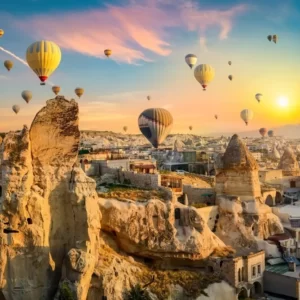
Known for its hot air balloon rides and unique rock formations, Cappadocia remains one of Turkey’s safest tourism regions. The area caters heavily to international travelers, and tourism operators follow strict safety regulations. Visitors should book activities through reputable providers and follow weather-related guidance for outdoor excursions.
Antalya and the Turkish Riviera
Antalya is one of the most popular coastal destinations in Europe. Beach resorts, luxury hotels, and tourist-focused facilities create a comfortable environment for international visitors. Crime rates affecting tourists remain relatively low, and resort areas maintain strong security measures.
Check out our plans
-

Turkey 7 Days 5GB
USD 9.00 -
Turkey 7 Days Unlimited
USD 13.00 -
Turkey 10 Days Unlimited
USD 17.00 -
Turkey 15 Days 8GB
USD 13.00 -
Turkey 15 Days Unlimited
USD 23.00 -
Turkey 20 Days Unlimited
USD 29.00

Bodrum
Bodrum combines beautiful beaches, nightlife, and cultural attractions. Travelers generally find the city safe and easy to navigate. Standard precautions regarding personal belongings are sufficient for most visitors.
Izmir
As Turkey’s third-largest city, Izmir offers a relaxed atmosphere and excellent access to historical sites such as Ephesus. The city is widely considered safe for tourists and provides a modern urban environment with reliable transportation and hospitality services.
Political Stability and Travel Concerns
Many travelers associate Turkey with news coverage related to regional politics and international affairs. While geopolitical developments occasionally attract global attention, daily life in Turkey’s primary tourism regions generally continues normally.
Tourists rarely encounter political activity during their travels. Demonstrations or public gatherings may occur in larger cities, particularly Istanbul and Ankara. Visitors should avoid large crowds, follow local guidance, and stay informed through official travel advisories.
For the average traveler visiting historical sites, beaches, cultural attractions, and resort destinations, political developments are unlikely to affect their itinerary significantly.
Public Transportation Safety in Turkey
Turkey’s transportation network is modern, affordable, and widely used by both locals and tourists. Visitors can comfortably travel between cities using domestic flights, high-speed trains, buses, ferries, and metro systems.
The Istanbul Metro is generally safe, clean, and efficient. Airports such as Istanbul Airport and Sabiha Gökçen International Airport maintain strong security standards and are among the busiest transportation hubs in the region.
Long-distance bus companies are well-regulated and often provide comfortable travel experiences between major cities. Domestic airlines also offer extensive connections throughout the country.
Travelers should remain attentive to personal belongings in crowded stations and transportation terminals, but overall, public transportation in Turkey is considered safe and reliable.
Solo Travel Safety in Turkey
Turkey continues to attract solo travelers from around the world, including backpackers, digital nomads, and independent explorers. Many visitors travel alone without experiencing significant safety concerns.
Solo travelers benefit from Turkey’s established tourism infrastructure, widespread hospitality culture, and extensive transportation options. Hotels, hostels, guided tours, and local experiences are readily available throughout the country.
Maintaining common travel safety practices remains important. Informing family members about travel plans, securing important documents, and choosing reputable accommodations can help ensure a smooth journey.
Many solo travelers report that Turkish locals are friendly, helpful, and eager to assist visitors with directions or recommendations.
Stay Connected Across Turkey
Get instant data access throughout your Turkey adventure.
Is Turkey Safe for Female Travelers?
Female travelers frequently visit Turkey independently or in groups. Most tourist areas are accustomed to welcoming international women travelers and offer a comfortable environment for sightseeing, shopping, and cultural exploration.
Women may occasionally experience unwanted attention in some areas, particularly in busy urban centers. This is usually limited to verbal comments rather than serious safety threats. Dressing respectfully when visiting religious sites and understanding local cultural norms can help travelers feel more comfortable.
Choosing reputable accommodations, avoiding isolated locations after dark, and using trusted transportation options remain sensible precautions for female travelers, just as they would in many destinations worldwide.
Health and Medical Safety in Turkey
Turkey has developed a strong healthcare system with modern hospitals, private clinics, and medical facilities available in major cities and tourist destinations.
Many healthcare professionals in tourist regions speak English, making communication easier for international visitors. Travel insurance remains strongly recommended for both American and British travelers.
Visitors should carry any necessary medications in their original packaging and keep copies of prescriptions when applicable. Drinking bottled water is widely practiced by travelers, although tap water quality varies by region.
Pharmacies are common throughout Turkey and provide convenient access to many basic healthcare products and medications.
Natural Disasters and Environmental Considerations
Turkey sits within a seismically active region and occasionally experiences earthquakes. While this reality should not discourage travel, visitors should familiarize themselves with basic earthquake safety procedures.
Hotels and modern buildings in major cities generally follow updated construction regulations designed to improve safety standards.
Summer travelers should also prepare for high temperatures, especially in coastal regions. Staying hydrated, wearing sunscreen, and planning outdoor activities during cooler hours can help prevent heat-related issues.
Weather conditions can vary significantly across Turkey due to its diverse geography, so checking local forecasts before traveling is recommended.
Staying Connected Safely While Traveling
Reliable internet access has become an important part of modern travel safety. Whether checking navigation routes, accessing emergency contacts, booking transportation, or staying informed about local conditions, connectivity helps travelers make informed decisions throughout their trip.
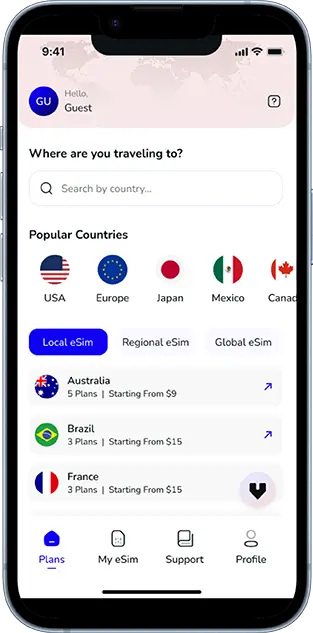
Many travelers choose a Turkey eSIM before departure to avoid expensive roaming fees and ensure immediate access to mobile data upon arrival. Using a trusted provider such as Voye Global allows visitors to stay connected across major Turkish destinations without searching for local SIM cards after landing.
Having consistent mobile access can be particularly useful when using translation tools, maps, transportation services, and travel updates throughout the journey.
Practical Safety Tips for Visiting Turkey in 2026

Although Turkey is generally safe for tourists, following practical precautions can enhance your travel experience.
Keep digital and physical copies of important travel documents. Use hotel safes for passports and valuables when available. Be cautious when exchanging currency and use official exchange offices or bank-operated services.
Stay aware of your surroundings in crowded markets, transportation hubs, and major attractions. Research local customs before arriving and respect cultural traditions, especially when visiting religious sites.
Most importantly, trust your instincts. If a situation feels uncomfortable, remove yourself and seek assistance from local authorities, tourism police, or your accommodation provider.
Conclusion
Turkey remains one of the most rewarding travel destinations for American and British tourists in 2026. Its combination of history, culture, cuisine, natural beauty, and world-renowned hospitality continues to attract millions of visitors from around the globe. While no destination is entirely risk-free, Turkey’s major tourist regions offer a generally safe environment for travelers who exercise normal precautions.
From exploring Istanbul’s iconic landmarks and wandering through Cappadocia’s dreamlike landscapes to relaxing along the Mediterranean coast, visitors can confidently enjoy everything Turkey has to offer. By staying informed, respecting local customs, and following common travel safety practices, American and British tourists can look forward to a memorable and secure Turkish adventure in 2026.

Seamless Mobile Data Everywhere













 English