














Note that iPhone devices from Mainland China aren’t eSIM compatible. Also iPhone devices from Hong Kong and Macao aren’t compatible (except for iPhone 13 Mini, iPhone 12 Mini, iPhone SE 2020 and iPhone XS)
Traveling internationally always brings a mix of excitement and uncertainty, especially when the destination has a vastly different language, culture, and social structure. For many Americans, Japan feels intriguing but also slightly intimidating. From unfamiliar etiquette rules to concerns about language barriers, US travelers often wonder what kind of reception they will receive once they land. One of the most frequently searched questions online is simple yet important: Is Japan friendly to US tourists?
The answer is a strong yes. Japan is widely regarded as one of the most welcoming, safest, and most organized countries for American travelers. However, friendliness in Japan looks different from what many US tourists are used to. Instead of casual conversations and expressive warmth, Japanese hospitality is shown through politeness, efficiency, respect, and a genuine willingness to help. This detailed guide explores exactly what American tourists can expect in Japan, covering positive experiences, cultural considerations, safety insights, language support, and rare challenges, all while helping travelers feel confident and prepared.
Understanding What Friendliness Means in Japan
Friendliness is a cultural concept, and in Japan, it is deeply tied to respect and social harmony. While Americans may associate friendliness with openness and verbal engagement, Japanese friendliness is often quieter and more reserved. This does not mean locals are cold or distant. Instead, they express kindness through actions rather than words.
Stay Connected Abroad
Reliable data access for maps, translation, and daily travel needs.
For US tourists, this means you may not experience spontaneous small talk with strangers, but you will often find people going out of their way to help you. Locals may walk you to your destination, patiently wait while you use a translation app, or carefully explain something using gestures and maps. Once travelers understand this difference, Japan often becomes one of the most comfortable destinations they have ever visited.
Politeness and Helpfulness You Can Expect
Japanese society places a high value on courtesy and mutual respect, and this is reflected in everyday interactions with tourists.
Common experiences American travelers report include:
- Store clerks greet customers politely and offer assistance without pressure
- Train station staff patiently help tourists navigate complex transit systems
- Strangers stepping in to help when someone looks lost or confused
Even when English proficiency is limited, the effort to assist is genuine. This willingness to help creates a welcoming atmosphere that many US tourists find reassuring and memorable.
Safety in Japan for American Tourists
Japan is consistently ranked among the safest countries in the world, and this reputation strongly influences how comfortable American travelers feel during their visit.
Why Japan Feels So Safe?
- Violent crime rates are extremely low
- Petty crime, such as pickpocketing, is rare
- Public spaces are clean, orderly, and well-monitored
US tourists often feel safe walking alone at night, using public transportation late in the evening, or exploring unfamiliar neighborhoods. Lost items are frequently returned, and honesty is deeply ingrained in daily life.
That said, no destination is entirely risk-free. Travelers should remain cautious in certain nightlife areas, particularly where aggressive promoters target foreigners. Being aware of surroundings and avoiding unsolicited offers can help ensure a trouble-free trip.
Travel Japan Confidently
Instant connectivity for safer, smoother travel across cities.
English Support and Getting Around Easily
One of the biggest concerns for US tourists is language, but Japan is far more accessible than many people expect.
Where English Support Is Common
- Airports and major train stations
- Subway systems and intercity trains
- Tourist attractions and popular hotels
Signage in major cities is often bilingual, and ticket machines usually offer English options. Transportation systems are logical and well-organized, making navigation easier even for first-time visitors.
While not everyone speaks fluent English, most people understand basic words or phrases. Communication gaps are often bridged with gestures, maps, or smartphone translation tools.
Cultural Immersion and Positive Local Interactions
Many Japanese locals enjoy sharing their culture with visitors, especially when travelers show respect and curiosity. Cultural immersion in Japan often happens in subtle, meaningful ways rather than through overt interaction.
American tourists frequently recall moments such as:
- A local explaining how to properly behave at a shrine
- A restaurant owner demonstrating how to eat a traditional dish
- A shopkeeper offering insight into local customs
These interactions often become highlights of the trip and leave a lasting impression. Respectful behavior opens the door to authentic cultural experiences.
To plan your itinerary, explore these recommended top things to do in Japan and experience both traditional and modern attractions.
Important Cultural Etiquette for US Tourists

Understanding basic etiquette is essential for a smooth experience in Japan. While locals are forgiving toward tourists, making an effort to follow social norms shows respect.
Key Etiquette Tips to Keep in Mind
- Avoid eating or talking loudly while walking
- Keep voices low in public places, especially on trains
- Remove shoes when entering homes and certain indoor spaces
Japanese society emphasizes consideration for others, and these practices help maintain shared comfort. Adapting to them often enhances the travel experience rather than limiting it.
Before your visit, review this helpful guide on what not to do in Japan to avoid common cultural mistakes travelers unintentionally make.
Tipping Culture Explained
Tipping is not customary in Japan and can even be considered rude or confusing. Unlike in the United States, excellent service is expected as part of the job.
US tourists should:
- Express appreciation verbally instead
- Avoid tipping in restaurants, taxis, and hotels
- Understand that great service does not require extra payment
Knowing this in advance helps prevent awkward situations and aligns expectations with local customs.
Cash and Payment Methods in Japan
Despite its advanced technology, Japan still relies heavily on cash, particularly outside major cities.
What American Travelers Should Know?
- Carrying cash is essential for daily expenses
- Small restaurants and shops may not accept credit cards
- ATMs at convenience stores usually accept international cards
Planning financially makes travel smoother and avoids unnecessary stress.
Staying Connected While Traveling in Japan
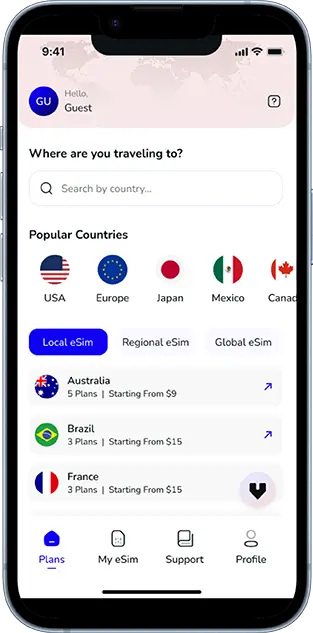
Reliable internet access is essential for navigation, translation, bookings, and communication. Many US tourists choose an eSIM for Japan to stay connected without the hassle of physical SIM cards.
Using a travel-focused option like Voye Global allows travelers to access mobile data immediately upon arrival. This is especially helpful for first-time visitors who rely on maps and translation apps. Staying connected improves safety, confidence, and overall convenience throughout the trip.
Check out our plans
-
Japan 7 days 5 GB
USD 9.00 -
Japan 10 Days Unlimited Data
USD 17.00 -
Japan 15 days 8GB
USD 13.00 -
Japan 20 Days Unlimited
USD 29.00 -
Japan 30 days 15GB
USD 21.00 -
Japan 30 Days Unlimited Data
USD 39.00
Learning a Few Japanese Phrases Goes a Long Way
While English support is available in many places, learning basic Japanese phrases can significantly improve interactions.
Common phrases travelers find useful include:
- Words to express gratitude
- Greetings and polite expressions
- Simple questions like asking for directions
Locals often appreciate the effort, even if pronunciation is imperfect. This small gesture can lead to warmer interactions and more positive experiences.
Rare Challenges and Honest Considerations
Although Japan is overwhelmingly welcoming, it is important to acknowledge rare challenges some US tourists have reported.
Potential Issues to Be Aware Of
- Occasional instances of xenophobia, such as being denied entry to certain establishments
- Nightlife scams in specific districts involving aggressive promoters
These situations are uncommon and not representative of Japanese society as a whole. Being informed and cautious helps travelers avoid problems and enjoy their trip with confidence.
Smart Travel Connectivity
Avoid roaming charges and stay online without interruptions.
Managing Expectations as an American Traveler
Many Americans arrive in Japan with preconceived ideas about friendliness. Understanding that Japanese hospitality is more reserved helps set realistic expectations.
Friendliness in Japan is shown through:
- Patience
- Efficiency
- Respect for personal space
Recognizing these signs allows travelers to appreciate the culture rather than misinterpret it.
Adjusting to the Japanese Pace of Life
Japan operates with a strong emphasis on order and patience. Lines are respected, rules are followed, and people are mindful of their impact on others.
For US tourists, adjusting to this rhythm may take time, but many find it refreshing. The calm structure reduces stress and makes daily travel predictable and smooth.
Why Japan Is So Popular with US Tourists?

Japan consistently ranks high among American travelers because it offers a rare combination of safety, cultural depth, and visitor-friendly infrastructure.
Key reasons include:
- Low crime rates
- Polite and helpful locals
- Rich cultural experiences
- Easy navigation in major cities
These factors work together to create a destination that feels both exciting and comfortable. Travelers planning their trip dates should also check upcoming festivals and exhibitions in this guide to global events happening in Japan 2026 for unique experiences during their visit.
Simple Tips for a Better Experience
A few practical habits can greatly enhance your time in Japan:
- Carry cash and keep small bills
- Avoid overly aggressive nightlife invitations
- Show respect and patience in public spaces
- Observe local behavior and follow social cues
These small efforts often lead to smoother interactions and more enjoyable travel.
Conclusion
So, is Japan friendly to US tourists? Without question, yes. Japan offers American travelers a welcoming environment defined by politeness, safety, and thoughtful hospitality. While cultural differences exist, they rarely create obstacles for those who approach the country with respect and openness.
For US tourists, Japan provides a unique opportunity to experience a different style of friendliness, one rooted in actions rather than words. By understanding etiquette, staying aware of rare challenges, and planning essentials like connectivity through an eSIM, travelers can enjoy a seamless and deeply rewarding journey. Japan not only welcomes American visitors but often leaves them eager to return, carrying lasting memories of kindness, order, and cultural richness.

Seamless Mobile Data Everywhere
Voye Global — Your Trusted eSIM Partner for Secure & Reliable Travel.



 English