




Planning a trip with a layover? One of the most common questions travelers ask is: “How much time do I need for my layover?” Whether you’re jetting off for a dream vacation or heading home, knowing how long your layover should be can make or break your journey.
In this guide, we’ll break down everything you need to know about layover times – from domestic flights to international connections, and even those tempting long layovers that allow you to explore a new city.
What Is a Layover?
A layover is a stop at an airport between your departure and final destination. Depending on your flight route, layovers can be short (under an hour) or long (several hours or overnight).
There are generally two types of layovers:
- Domestic layovers – all your flights are within the same country.
- International layovers – at least one of your connecting flights crosses a border.
Ideal Layover Times: Domestic vs. International
Domestic Layovers (Same Country)
Recommended Minimum Time: 45 minutes to 1 hour
If you’re connecting to another domestic flight, aim for a minimum layover time of 45 minutes to 1 hour. This gives you enough time to disembark, change gates, and possibly grab a quick snack.
However, if you’re at a larger airport like Atlanta (ATL), Dallas (DFW), or Chicago O’Hare (ORD), give yourself at least 1.5 hours.
Pro Tip: Always check if you need to switch terminals – that can take time!
International Layovers (Changing Countries)
Recommended Minimum Time: 1.5 to 3 hours
International layovers often require more time due to:
- Passport control
- Customs checks
- Security re-screening
- Possible terminal changes
For international-to-domestic connections (e.g., flying from Paris to New York, then to Chicago), allow at least 3 hours to clear immigration and customs in the U.S. before rechecking your bag.
If you’re connecting international to international, 2 hours is usually sufficient, but 3+ hours is safer, especially if visa checks or security screenings are involved.
Your Journey, Our eSIM
Stay online abroad with instant activation.
Checked Baggage vs. Carry-On: Does It Matter?
Yes! If you only have a carry-on, you’ll save time because you:
- Skip baggage claim
- Move faster between gates
- Avoid rechecking bags on international layovers
If you’ve checked luggage, ensure you have enough time for rechecking (if required) – especially when switching from an international to a domestic flight.
High-Risk Situations That Need More Layover Time
Give yourself extra buffer time if:
- You’re switching airlines on different tickets
- You have to collect and recheck baggage manually
- You’re unfamiliar with the airport layout
- You’re traveling with young kids, elderly, or limited mobility
- You’re landing during peak hours or bad weather
Planning a Long Layover? Turn It Into a Mini Adventure
Got 6+ hours to spare? Consider turning your layover into a mini trip:
- Visit the Eiffel Tower during a Paris layover
- See the Burj Khalifa in Dubai
- Explore Singapore’s Jewel Changi Airport and waterfall gardens
Just make sure to:
- Check if you need a transit visa
- Account for travel time to/from the airport
- Go through security again before boarding
Stay Connected During Layovers
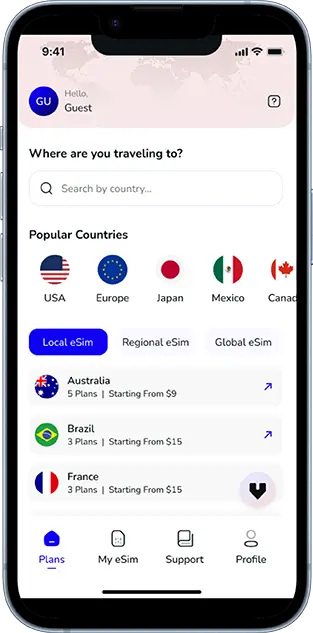
A reliable internet connection is essential during layovers. With eSIM like Voye Global, you can:
- Access airport maps
- Rebook flights if delayed
- Stay in touch with family
- Watch movies or work online
Voye’s eSIM keeps you connected in over 130+ countries – no SIM swapping, no hidden roaming fees.
Final Tips for Smooth Layovers
- Know your airport layout: Use apps like LoungeBuddy or Flighty
- Double-check terminal changes on your airline’s app
- Avoid tight connections when booking – even if the airline says it’s “legal”
- Book travel insurance in case you miss your connection
How Much Layover Time Do You Really Need?
| Layover Type | Recommended Time |
|---|---|
| Domestic → Domestic | 45 mins to 1.5 hours |
| Domestic → International | 1.5 to 2 hours |
| International → Domestic | 2.5 to 3+ hours |
| International → International | 2 to 3+ hours |
| Exploring a layover city | 6+ hours (plus visa) |
Conclusion
Understanding how much time you need for a layover can help you avoid stress, missed flights, and unnecessary delays. Whether you’re making a tight domestic hop or crossing borders internationally, smart planning makes all the difference.
And don’t forget – with services like Voye’s international eSIM, you can stay online throughout your layover journey, streamlining everything from navigation to entertainment.
Safe travels and smooth layovers!
Global Coverage, Local Rates
Experience hassle-free connectivity wherever you go.
Frequently Asked Questions
For most domestic connections, allow at least 1–2 hours between flights. For international connections, 2–3 hours is generally safer, especially if you need to clear immigration, collect and recheck baggage, or change terminals. At large airports, allow extra time for long walks, security checks, and possible delays. Separate tickets usually require more buffer than flights booked on one itinerary.
A one-hour layover can work, but it is relatively tight. It may be sufficient for a domestic connection at a well-organized airport when both flights are on the same ticket, and you do not need to change terminals or clear additional immigration. For international connections, one hour is generally risky because immigration, security, baggage procedures, and airport transfers can take significant time.
A 45-minute layover is usually considered tight. It may be possible for a domestic connection if the airline permits the connection and both flights use nearby gates, but even a minor delay could cause problems. For international connections, 45 minutes is generally not recommended because you may need immigration, security, or terminal transfers. Check the airline’s minimum connection time before booking.
If both flights are on the same ticket and the airline caused the missed connection, the airline will generally rebook you on another available flight, subject to its policies and applicable passenger-rights rules. If you booked separate tickets, the second airline may treat you as a no-show, and you could need to purchase a new ticket. Travel insurance may provide additional protection.
For international connections, 2–3 hours is a practical minimum for many itineraries. Allow more time if you must collect and recheck luggage, pass immigration, change terminals, or connect at a large or unfamiliar airport. If you are traveling on separate tickets, 3–4 hours or more provides a safer buffer. Always check the airport and airline’s minimum connection-time requirements before booking.

Seamless Mobile Data Everywhere














 English
  עברית
עברית  日本語
日本語