




The caldera really is one of the most spectacular views in Europe. The sunsets are genuinely beautiful. The whitewashed villages look exactly like the postcards.
But July is also peak season across the Greek islands. Ferries are full, hotel prices reach their annual highs, and some destinations can feel overwhelmed by visitors.
The purpose of this Greece Islands July travel guide is simple: help you decide which islands are worth the crowds and which ones offer the Aegean experience the photographs promise—without requiring you to elbow your way through it.
Santorini: What It Actually Is

Santorini is one of those rare places that somehow manages to be both overrated and spectacular at the same time.
The crowds are real.
The views are real too.
If you’ve never been, the caldera is one of Europe’s most dramatic landscapes—a volcanic crater flooded by the sea, ringed by villages that appear to cling impossibly to the cliffs.
How to Experience Santorini Without Hating It
The biggest mistake visitors make is following the same schedule as everyone else.
Visit Oia Early
Most people arrive in Oia for sunset.
Try arriving at 8am instead.
The narrow streets are quiet, the light is softer, and you’ll see the famous blue domes without hundreds of people waiting for the same photo.
Explore the Wine Villages
Away from the caldera edge, villages like Pyrgos, Megalochori, and Emporio offer a slower and more authentic side of Santorini.
You’ll find:
- Traditional architecture
- Local wineries
- Fewer crowds
- Better value restaurants
Take a Boat Tour from Fira
Seeing Santorini from the water changes your perspective completely.
Catamaran and sailing trips provide views of the volcanic cliffs that are impossible to appreciate from land.
Many visitors consider this the highlight of their trip.
The Reality Check
Santorini receives approximately 2 million visitors annually despite having a permanent population of around 15,000 people.
Go expecting crowds.
Go anyway.
The view is worth it.
Planning Santorini This Summer?
From ferry tickets to sunset cruises and restaurant reservations, reliable mobile data makes navigating Santorini much easier.
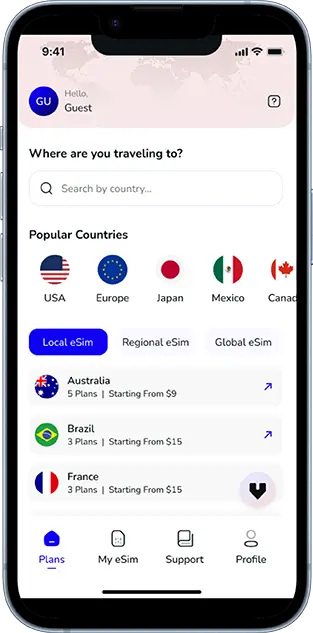
Stay connected with a Voye Greece eSIM and manage your plans from anywhere on the island.
Mykonos: Accept What It Is
Many travelers dislike Mykonos because they expect the wrong island.
Mykonos is not a traditional Greek island.
It is a global beach-and-nightlife destination.
Once you understand that, it becomes easier to decide whether it belongs in your itinerary.

What Mykonos Does Well
- Beach clubs
- Luxury hotels
- International dining
- Nightlife
- LGBTQ+ friendly atmosphere
- Social travel experiences
Psarou Beach
The epicenter of luxury beach culture.
Expect designer sunglasses, premium sunbeds, and an atmosphere that feels closer to Ibiza than traditional Greece.
Super Paradise Beach
One of the island’s most famous party beaches.
Music, cocktails, and beach clubs dominate the experience.
Little Venice
The most photogenic part of Mykonos Town.
The colorful waterfront buildings create one of the island’s most iconic sunset views.
Should You Visit?
Visit Mykonos if you want:
- Energy
- Beach clubs
- Nightlife
- Social atmosphere
Skip it if you’re searching for quiet villages and empty beaches.
There are better islands for that.
Beach Clubs, Ferries & Last-Minute Plans
Mykonos moves fast in July. Reservations, schedules, and transport options can change throughout the day.
A Voye eSIM helps you stay connected without relying on hotel Wi-Fi or expensive roaming charges.
The Quiet Alternatives
The best Greek island for you may not be Santorini or Mykonos.
In fact, many repeat visitors actively avoid both.
Folegandros
Population: roughly 700 permanent residents.
That statistic tells you almost everything.
Folegandros offers:
- Dramatic cliffs
- Whitewashed villages
- Minimal traffic
- Authentic Cycladic atmosphere
The island feels like Santorini decades ago.
There are very few cars, very little nightlife, and plenty of silence.
Koufonisia

If your ideal Greek island involves turquoise water and uncrowded beaches, Koufonisia deserves attention.
Highlights include:
- Crystal-clear swimming
- White sand beaches
- Walkable coastline
- Relaxed pace
It feels almost disconnected from modern tourism.
Sifnos
Sifnos quietly attracts food lovers from across Greece.
Known for:
- Exceptional local cuisine
- Traditional pottery
- Scenic hiking routes
- Authentic villages
It offers one of the best balances between tourism infrastructure and local character.
Naxos
Naxos is often overlooked because it lacks Santorini’s famous skyline.
That is exactly why many travelers love it.
As the largest island in the Cyclades, it offers:
- Long sandy beaches
- A real working town
- Mountain villages
- Historic sites
- Better value accommodation
For many first-time visitors, Naxos provides the most complete Greek island experience.
Looking Beyond the Tourist Hotspots?
Smaller islands often have fewer services and less public Wi-Fi, making mobile connectivity even more valuable.
Navigate hidden beaches, hiking trails, and local tavernas confidently with a Voye Greece eSIM.
Getting Between Islands
Greek island hopping sounds complicated.
In reality, the ferry network is one of the easiest transportation systems in Greece.
Blue Star Ferries

The traditional option.
Advantages:
- More stable in rough seas
- Larger vessels
- Usually cheaper
Disadvantages:
- Slower journeys
SeaJets
The fast option.
Advantages:
- Faster travel times
- More daily departures
Disadvantages:
- More expensive
- Rougher ride during windy conditions
Fast Catamarans vs Traditional Ferries
Fast catamarans save time but can become uncomfortable during strong Meltemi winds.
Traditional ferries take longer but provide a smoother journey.
Popular Route Example
Athens to Santorini via fast ferry takes approximately 5 hours.
In peak July, booking in advance is strongly recommended.
Especially if:
- Traveling on weekends
- Carrying a vehicle
- Visiting multiple islands
Ferry Delayed? Gate Changed?
Mobile data becomes surprisingly important during island hopping.
Check ferry schedules, boarding updates, accommodation details, and transport options in real time.
July Weather
July is one of the hottest and driest months in Greece.
Expect:
- Temperatures between 28°C and 35°C
- Long sunny days
- Warm sea temperatures
- Very little rainfall
The Meltemi Wind
The most important weather factor in the Cyclades isn’t temperature.
It’s wind.
The Meltemi blows from the north during July and August and is strongest across the Cyclades islands.
Depending on the day, it can be:
A Blessing
- Cooler afternoons
- More comfortable sightseeing
- Better hiking conditions
A Frustration
- Rough ferry crossings
- Boat tour cancellations
- Windy beaches
Most travelers eventually appreciate it.
Without the Meltemi, July heat would feel significantly more intense.
Using a Voye eSIM Across the Greek Islands

Island hopping becomes easier when you’re not searching for Wi-Fi every few hours.
A Voye Greece eSIM allows you to:
- Access Google Maps while exploring villages
- Check ferry schedules on the move
- Book accommodation last minute
- Stay connected across multiple islands
- Avoid expensive roaming fees
Particularly Useful For
- Ferry booking apps
- Navigation around island road networks
- Weather and wind forecasts
- Restaurant reservations
- Transportation updates
Whether you’re moving between Santorini, Naxos, Mykonos, or smaller islands, having reliable data simplifies every part of the journey.
Frequently Asked Questions
Which Greek island is best for a first visit?
For iconic scenery, Santorini remains unmatched.
For a balanced experience combining beaches, culture, and value, Naxos is often the strongest all-round choice.
Is July too crowded for the Greek islands?
Not necessarily.
Popular islands become busy, but destinations like Folegandros, Sifnos, and Koufonisia still offer a much calmer experience.
Should I book ferries in advance?
Yes.
July is peak season, and popular routes frequently sell out.
Do I need a visa for Greece?
Visa requirements depend on your nationality. Check the latest entry requirements before traveling.
How hot are the Greek islands in July?
Expect daytime temperatures between 28°C and 35°C, with cooler conditions often provided by the Meltemi wind.
Final Thoughts
The mistake many travelers make is treating the Greek islands as a single destination.
They’re not.
Santorini delivers one of the world’s great views.
Mykonos delivers energy and nightlife.
Naxos delivers balance.
Sifnos delivers food.
Koufonisia delivers beaches.
Folegandros delivers peace.
The best trip isn’t necessarily about choosing the most famous island.
It’s about choosing the island that matches the experience you’re looking for.
And sometimes, that means skipping the crowd everyone else is chasing.

Seamless Mobile Data Everywhere











 English