




Planning your first cruise can feel both exciting and overwhelming. From choosing the right cabin to understanding how internet access works at sea, there are plenty of details that first-time travelers often overlook. A cruise vacation is very different from a regular hotel stay because your transportation, accommodation, dining, entertainment, and sightseeing are all combined into one experience. That is why preparing properly before departure can make your trip smoother, more enjoyable, and stress-free.
Many travelers imagine cruise vacations as effortless adventures where everything automatically falls into place. While cruises are designed to be convenient, first-time Cruises still need to understand important basics before boarding. Knowing which documents to carry, what to pack, how onboard expenses work, and how to stay connected internationally can help you avoid unnecessary surprises during your journey. Whether you are sailing through the Caribbean, Europe, Alaska, or Asia, having a practical cruise checklist helps you travel confidently from day one.
Choose the Right Cruise for Your Travel Style
One of the most important decisions for first-time Cruises is selecting the right itinerary and cruise type. Every cruise offers a different experience. Some focus on relaxation and luxury, while others are packed with adventure activities, nightlife, and family entertainment. Before booking, think carefully about what kind of vacation you actually want.
If you enjoy beach destinations and tropical weather, Caribbean cruises are usually a popular starting point. Travelers interested in scenic landscapes often prefer Alaska itineraries, while Mediterranean cruises are ideal for culture and history lovers. Duration also matters. A shorter three or four-day cruise may help beginners test the experience without committing to a longer trip.
Cruise Smarter With Reliable Connectivity
Prevent unexpected roaming fees with seamless international cruise eSIM coverage.
Cabin selection is another major factor. Interior cabins are budget-friendly but do not offer windows or natural light. Ocean view rooms provide a better sense of space, while balcony cabins give travelers private outdoor views and fresh air. If motion sickness is a concern, choose a cabin in the middle of the ship on a lower deck because it tends to feel more stable.
Keep Travel Documents Ready Before Departure
Many first-time Cruises underestimate how important travel documentation can be. International cruises often require passports, visas, identification cards, vaccination records, and embarkation forms. Requirements may vary depending on your nationality and itinerary, so double-check every destination before departure.
Your passport should remain valid for at least six months beyond your travel dates. Even if some cruises allow alternative identification for domestic sailings, carrying a valid passport is always safer for emergencies and international port entries.
It is also smart to keep both printed and digital copies of important documents. Save your cruise tickets, hotel confirmations, travel insurance information, and passport scans securely on your phone or cloud storage. This makes recovery easier if anything gets misplaced during travel.
Travel insurance is another detail that many first-timers skip. Cruise vacations involve multiple destinations, weather conditions, and transportation schedules. Insurance can help protect you against trip cancellations, medical emergencies, delayed baggage, or missed departures.
Pack Smart Instead of Overpacking
Packing for a cruise is different from packing for a regular vacation. Since cabin storage space can be limited, it is important to bring versatile clothing and only essential items. Research the climate of every port on your itinerary so you can prepare appropriately.
Comfortable daytime clothing is ideal for excursions and sightseeing. Bring lightweight outfits for warm destinations and layered clothing for cooler evenings. Formal nights may also be included depending on the cruise line, so pack at least one dressy outfit for dinners or onboard events.
Shoes are often overlooked during cruise preparation. Travelers usually walk more than expected while exploring large ships and ports. Comfortable sneakers or walking shoes are essential. Flip flops are useful around pools, but they are not practical for long shore excursions.
Do not forget travel essentials such as medications, sunscreen, sunglasses, reusable water bottles, chargers, and power adapters. Some ships have limited power outlets, so carrying a small extension adapter can be helpful.
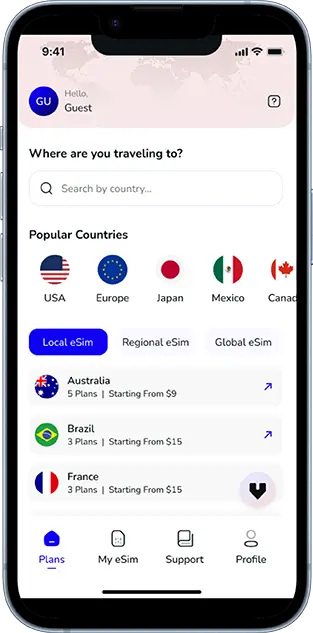
A surprisingly important item for modern travelers is reliable mobile connectivity. Many cruise passengers lose access to affordable internet once they leave their home country. Instead of depending entirely on expensive onboard WiFi packages, travelers can prepare in advance with digital connectivity solutions. Using a Voye Global eSIM for the United States or your cruise departure country allows travelers to stay connected before embarkation, during port visits, and after disembarkation without searching for local SIM cards.
Check out our plans
-

Cruise 1GB 7 Days
USD 29.00 -
Cruise 3GB 30 Days
USD 49.00 -
Cruise 5GB 30 Days
USD 70.00 -
Cruise 10GB 30 Days
USD 108.00
Arrive at the Port City Early
One of the biggest mistakes first-time Cruises make is arriving on the same day the ship departs. Flights can get delayed, luggage can be misplaced, and unexpected traffic can create serious problems. Cruise ships operate on strict schedules, and they will not wait for late passengers.
Arriving at least one day early gives travelers peace of mind and extra flexibility. Staying overnight near the departure port also allows you to recover from jet lag, explore the city briefly, and begin your vacation in a more relaxed way.
If your cruise departs from Miami, Barcelona, Singapore, or another major cruise hub, booking a nearby hotel for one night can significantly reduce travel stress. This simple step can prevent costly missed departures and help you board the ship comfortably.
Understand Onboard Expenses and Budgeting
Many first-time Cruises assume everything onboard is included in the fare, but that is not always true. While meals, accommodations, and standard entertainment are typically covered, several extra expenses may appear throughout the trip.
Specialty dining restaurants, alcoholic beverages, spa services, casino activities, shore excursions, internet access, gratuities, and premium experiences often cost extra. Understanding these charges before sailing helps travelers avoid budget surprises later.
Cruise ships usually operate with cashless systems where purchases are charged directly to your onboard account. Linking a credit card before embarkation makes transactions easier.
To manage spending wisely, create a daily budget for optional activities and shopping. Shore excursions, especially can become expensive if booked impulsively at every destination. Some travelers prefer independent sightseeing, while others enjoy guided tours for convenience and safety.
Learn Basic Cruise Etiquette
Cruise ships function like floating communities where thousands of passengers share dining spaces, entertainment venues, elevators, pools, and excursion areas. Respectful behavior improves the experience for everyone on board.
Punctuality is extremely important during cruises. Ships follow strict departure schedules at every port. If you miss the boarding time after an excursion, the ship may leave without you. Always keep track of local port time and allow extra time to return.
Dining etiquette also matters. Buffet areas can get crowded during peak hours, so patience and courtesy are appreciated. Some dining rooms have assigned seating schedules, while others offer flexible timing.
Pool chair reservation is another common issue among passengers. Avoid leaving towels unattended for long periods because many ships enforce rules against saving chairs without actively using them.
Noise awareness is equally important. Cabin walls are thinner than many travelers expect, so keeping volume levels reasonable late at night helps maintain a comfortable environment for neighboring guests.
Avoid Hidden Cruise Roaming Charges
Stay connected affordably during cruises, flights, and international border crossings.
Prepare for Seasickness Before Sailing
Even travelers who rarely experience motion sickness can feel discomfort during rough waters. Weather conditions and ocean movement vary depending on the region and season.
Fortunately, seasickness can usually be managed with preparation. Motion sickness bands, over-the-counter medication, ginger tablets, and staying hydrated often help reduce symptoms. Choosing a mid-ship cabin on lower decks also minimizes movement sensations.
Fresh air and looking toward the horizon may help travelers feel more balanced if nausea appears. Most modern cruise ships are equipped with stabilizers, so severe motion sickness is less common than many beginners expect.
It is still wise to carry remedies before boarding because onboard pharmacies may have limited supplies or higher prices.
Plan Shore Excursions Carefully
Cruise destinations are often one of the biggest highlights of the entire experience. However, many first-time Cruises overbook excursions and end up exhausted before the trip even ends.
Instead of trying to do everything, prioritize experiences that genuinely interest you. Some ports are ideal for beach relaxation, while others are better for cultural exploration, food tours, wildlife viewing, or adventure sports.
Research transportation options and safety guidelines before arriving at each destination. If exploring independently, always return to the ship well before the final boarding time.
Packing a small day bag for excursions is extremely useful. Include essentials like sunscreen, water, identification, portable chargers, and local currency when needed.
Travelers visiting multiple countries during one itinerary should also think about mobile connectivity during port stops. Having an eSIM for the United Kingdom, Italy, Singapore, or other destinations can simplify navigation, communication, ride bookings, and online payments during excursions.
Stay Healthy During the Cruise
Cruise vacations involve busy public areas, changing climates, and long, activity-filled days. Staying healthy throughout the journey requires a little extra attention.
Wash your hands frequently, especially before meals and after excursions. Most cruise ships provide sanitizing stations throughout public spaces because hygiene is a major priority onboard.
Hydration is another important factor. Travelers often spend hours in the sun, participate in excursions, and consume more salty foods than usual. Drinking enough water helps prevent fatigue and dehydration.
Sleep is equally important, especially for travelers adjusting to new time zones. Cruises offer nonstop entertainment, but balancing activities with proper rest keeps your energy levels consistent throughout the trip.
If you take prescription medication, carry enough supplies for the entire vacation, plus extra doses in case of delays. Keep medications in your carry-on luggage instead of checked baggage.
Understand Internet and Connectivity Options

One of the biggest surprises for first-time Cruises is how different internet access can be at sea. Cruise ship WiFi is often slower and more expensive than travelers expect because ships rely on satellite connections.
Before purchasing onboard internet packages, think about how much connectivity you actually need. Some travelers only want messaging access, while others need video calls, navigation tools, or remote work capabilities.
Using international eSIM plans before and after sailing can help travelers avoid expensive roaming charges while staying connected at ports. Digital SIM technology also removes the hassle of swapping physical SIM cards during multi-country itineraries.
Downloading maps, entertainment content, and travel information before departure is another smart strategy. Offline access becomes extremely useful when internet speeds are limited during sea days.
Make the Most of Onboard Activities
Cruise ships offer far more than pools and buffets. Modern ships include live entertainment, cooking classes, fitness centers, theaters, water parks, shopping areas, casinos, music performances, and educational workshops.
First-time Cruisers sometimes try to schedule every available activity and end up feeling overwhelmed. Instead, create a balanced approach that combines entertainment, relaxation, and exploration.
Review the daily onboard schedule each evening to identify activities that interest you most. Many popular shows and specialty experiences require reservations, so booking early improves availability.
It is also perfectly acceptable to spend quiet time relaxing on deck, reading by the pool, or enjoying ocean views. Cruises are designed to accommodate different travel styles, whether you prefer nonstop activity or peaceful downtime.
Travelers who enjoy photography should take advantage of sunrise and sunset moments at sea. Open decks provide excellent opportunities for scenic ocean photography that cannot be replicated on land.
Conclusion
Your first cruise can become one of the most memorable travel experiences of your life when approached with the right preparation. Understanding how cruises operate before departure helps travelers feel more confident, organized, and relaxed throughout the journey. From choosing the right cabin to budgeting onboard expenses and planning shore excursions carefully, small decisions can make a major difference in your overall experience.
Cruising combines adventure, comfort, entertainment, and international exploration in a way few other vacations can match. By following a practical checklist and preparing for connectivity, documentation, packing, and health needs ahead of time, first-time Cruisers can focus on enjoying every moment at sea. Whether you are sailing through tropical islands, historic European ports, or scenic northern landscapes, smart planning ensures your first cruise experience starts smoothly and ends with unforgettable memories.
Seamless Mobile Data Everywhere














 English