




While Portugal was experiencing record summer temperatures and Southern Europe struggled through another season of heatwaves, the Faroe Islands remained cool, green, and remarkably uncrowded.
The archipelago sits in the North Atlantic between Iceland and Norway and feels almost designed to challenge modern assumptions about European summer travel. Instead of beach clubs and packed promenades, you find waterfalls plunging directly into the ocean, cliffs disappearing into sea mist, and villages where grass grows naturally on rooftops.
The Faroe Islands are not a hidden destination anymore. Social media has discovered the optical illusion of Sørvágsvatn, photographers have spent years documenting the islands’ extraordinary light, and travelers searching for alternatives to overcrowded Mediterranean destinations have increasingly looked north.
Yet despite this growing attention, the islands remain one of the most distinctive destinations in Europe.
This guide covers everything first-time US and UK travelers need to know, from entry requirements and transportation to the essential landmarks and practical realities of exploring eighteen islands in the middle of the North Atlantic.
The Coolcation Case: Why the Faroe Islands in Summer Actually Makes Sense

A few years ago, most travelers viewed cool weather as something to avoid.
Today, many actively seek it out.
The term “coolcation” has become popular because it describes a growing trend: choosing destinations with moderate temperatures over places experiencing increasingly intense summer heat.
The Faroe Islands fit that trend perfectly.
Average summer temperatures generally range between 11°C and 15°C. That means hiking remains comfortable throughout the day, road trips do not involve hiding from midday heat, and outdoor activities remain enjoyable from morning until evening.
The landscapes help too.
The Faroe Islands compress an extraordinary amount of scenery into a relatively small area. Towering cliffs, steep green mountains, isolated villages, waterfalls, sea stacks, and dramatic coastlines appear around almost every corner.
Unlike many famous European destinations, the landscape often feels larger than the tourism infrastructure built around it.
Photography is another major draw.
The shifting clouds, low North Atlantic light, and constantly changing weather create conditions that photographers love. Even smartphone cameras tend to produce remarkable images because the scenery itself is so dramatic.
Most importantly, the islands still feel authentic.
Tourism exists, but daily life continues largely unaffected. Fishermen still work the harbors, sheep still outnumber people, and many villages continue operating much as they have for generations.
Entry Requirements: What US and UK Travelers Need to Know
The Faroe Islands often create confusion because of their relationship with Denmark.
While the islands are an autonomous territory within the Kingdom of Denmark, they are not part of the European Union and they are not part of the Schengen Area.
That distinction matters.
For US Travelers
US citizens can visit the Faroe Islands for tourism without obtaining a visa in advance.
Travelers should carry:
- A valid passport
- Proof of onward travel
- Accommodation confirmations
- Sufficient funds for their stay
For UK Travelers
UK citizens can also visit visa-free for tourism.
Brexit did not significantly change travel arrangements between the UK and the Faroe Islands because the islands maintain separate border arrangements from the EU.
ETIAS Does Not Apply
Many travelers are concerned about the upcoming ETIAS authorization system.
The Faroe Islands are outside the EU and Schengen framework, which means ETIAS does not apply to visits here.
Transit Through Copenhagen
Most visitors connect through Copenhagen.
You will complete Schengen procedures in Denmark and then pass through separate Faroese entry controls when arriving at Vágar Airport.
Understanding this distinction helps avoid confusion when planning your journey.
Getting There: From the US and UK to Vágar Airport

The Faroe Islands have one international airport: Vágar Airport (FAE).
Fortunately, reaching it is easier than many travelers expect.
From the UK
Most UK travelers fly via Copenhagen before connecting onward to Vágar.
Seasonal direct services may operate from selected UK airports, but Copenhagen remains the most reliable routing option year-round.
The journey typically takes between five and seven hours depending on connection times.
From the US
There are currently no regular direct flights from the United States to the Faroe Islands.
Most travelers connect through:
- Copenhagen
- Reykjavik
- Occasionally other Scandinavian hubs
An Iceland and Faroe Islands combination trip works particularly well because of the geographic proximity and similar landscapes.
Weather Considerations
The North Atlantic creates unpredictable flying conditions.
Delays occasionally happen due to fog, wind, or low cloud cover.
Avoid scheduling critical commitments immediately after arrival and consider building flexibility into your itinerary.
Getting Around: The Car Rental Imperative
If there is one piece of advice every Faroe Islands traveler should follow, it is this:
Rent a car.
Public transportation exists, but it was designed for residents rather than visitors attempting to see multiple islands within a few days.
Many of the islands’ most famous locations are difficult to access efficiently without your own vehicle.
Driving Conditions
Drivers travel on the right-hand side of the road.
For UK visitors, this requires some adjustment, particularly on narrower roads.
Road quality is excellent throughout most of the islands, though mountain roads can be narrow and weather conditions can change quickly.
Sheep Have Right of Way
This sounds like a joke.
It is not.
Sheep frequently wander onto roads and show very little interest in moving quickly.
Drive cautiously, especially outside major settlements.
The Undersea Tunnels
One of the Faroe Islands’ greatest achievements is its tunnel network.
Several islands are connected by undersea tunnels, eliminating the need for many ferry crossings.
The most famous is Eysturoyartunnilin, which includes the world’s first underwater roundabout.
Driving through it feels surprisingly normal until you remember you are beneath the ocean floor.
Download Offline Maps
Mobile coverage is generally good in populated areas but can disappear temporarily in tunnels and remote regions.
Download offline maps before leaving the airport.
Where to Go: The Essential Faroese Sites

Sørvágsvatn — The Optical Illusion Lake
This is the image that introduced many travelers to the Faroe Islands.
From a specific viewpoint, Sørvágsvatn appears to float high above the Atlantic Ocean.
The reality is slightly less impossible but equally impressive.
A moderate hike leads to the viewpoint, where visitors can appreciate one of the most unusual geographical illusions in Europe.
Arrive early to enjoy quieter conditions and better light.
Gásadalur — The Waterfall Village
For decades, Gásadalur remained isolated behind mountains.
Today, a tunnel provides easy access to one of the most spectacular villages in the archipelago.
Its centerpiece is Múlafossur Waterfall, which plunges directly from the cliffs into the Atlantic Ocean below.
Few places capture the Faroe Islands’ dramatic character more effectively.
Kallur Lighthouse, Kalsoy
Reaching Kallur Lighthouse requires effort.
First, you take a ferry to Kalsoy.
Then you complete a hike across rugged terrain.
The reward is one of the most dramatic viewpoints in Northern Europe.
The lighthouse stands above steep cliffs with sweeping views of neighboring islands and sea stacks.
Tórshavn — The Smallest Capital
Tórshavn combines modern Faroese life with centuries of history.
Highlights include:
- Tinganes Old Town
- Turf-roofed buildings
- Harborfront cafés
- Local museums
- Traditional restaurants
Despite being a capital city, Tórshavn feels remarkably intimate and easy to explore on foot.
Vestmanna Sea Cliffs
The best wildlife experience in the islands often happens from the water.
Boat tours from Vestmanna travel beneath towering cliffs and into sea caves where seabirds nest in extraordinary numbers.
It is one of the most memorable excursions available anywhere in the North Atlantic.
Going Off-Grid in the Faroes? Take Your Data With You.
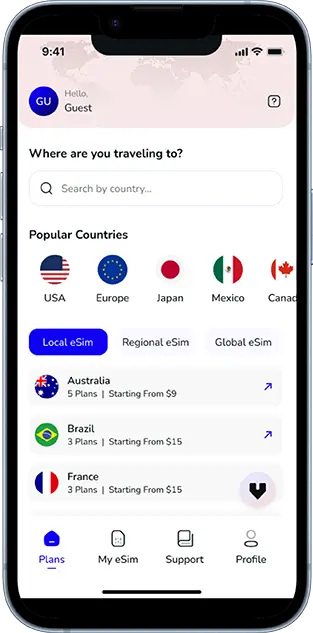
Mobile signal can disappear in tunnels, mountain passes, and remote hiking routes. A Voye eSIM keeps you connected where it matters most.
The Closed for Maintenance Programme
The Faroe Islands created one of Europe’s most innovative tourism initiatives.
Known as Closed for Maintenance, the program temporarily closes selected sites to general tourism and invites volunteers to help maintain trails, repair infrastructure, and protect natural areas.
Participants contribute their time rather than money.
In return, they receive unique access to sites and become directly involved in preserving the landscapes they came to enjoy.
The program has become internationally recognized as a model for sustainable tourism.
Registration typically fills quickly, so interested travelers should plan well in advance.
Practical Faroe Islands: What US & UK Travelers Need to Know
Currency
The Faroe Islands use the Faroese Króna alongside Danish currency.
Credit and debit cards are accepted almost everywhere.
Cash is useful but rarely essential.
Weather
Weather is the defining travel consideration.
Conditions can change several times within a single day.
Pack:
- Waterproof jacket
- Waterproof trousers
- Waterproof footwear
- Warm mid-layer
- Wind-resistant outer layer
You will almost certainly use all of them.
Language
Faroese and Danish are the official languages.
English is widely spoken throughout the tourism industry.
Restaurant Reservations
Good restaurants in Tórshavn fill quickly during summer.
Make reservations in advance whenever possible.
Voye eSIM: Staying Connected on Eighteen Islands in the North Atlantic
The Faroe Islands reward preparation.
While coverage is generally reliable in towns and villages, signal can become inconsistent in remote hiking regions and mountain areas.
A Voye eSIM provides a practical solution.
Benefits include:
- Activation before departure
- Coverage throughout the islands
- Keep your primary number active
- Hotspot sharing for travel companions
- No physical SIM swapping
- Predictable costs
This becomes especially useful when:
- Checking ferry schedules
- Navigating remote roads
- Booking tours
- Accessing weather updates
- Downloading maps
- Sharing travel plans
Use VOYE15 for 15% off your first order.
One Plan. Eighteen Islands.
Get connected before you fly and stay online from Vágar Airport to every waterfall, tunnel, and hiking trail.
Suggested 5-Day Itinerary

Day 1
Arrive at Vágar Airport, collect your rental car, and visit Gásadalur and Múlafossur Waterfall.
Day 2
Hike to Sørvágsvatn and explore nearby viewpoints.
Day 3
Spend the day in Tórshavn exploring Tinganes and the harbor district.
Day 4
Take the ferry to Kalsoy and complete the Kallur Lighthouse hike.
Day 5
Join a Vestmanna sea cliffs boat tour before departure.
FAQ
Do US and UK travelers need a visa for the Faroe Islands?
No. Both US and UK citizens can visit the Faroe Islands visa-free for tourism.
How do I get to the Faroe Islands?
Most travelers connect through Copenhagen before flying to Vágar Airport, the islands’ only international airport.
Do I need to rent a car?
Yes. A rental car is strongly recommended for seeing the islands efficiently.
What is the Closed for Maintenance programme?
It is a tourism initiative where selected sites close temporarily while volunteers help maintain trails and infrastructure.
Does my UK or US phone work in the Faroe Islands?
Yes, but roaming charges may apply. A Faroe Islands eSIM is often the more cost-effective solution.
Conclusion

The Faroe Islands are not trying to become Europe’s next mass-tourism destination.
That may be exactly why travelers find them so appealing.
The landscapes remain wild, the villages remain authentic, and the experience still feels genuinely different from the standard European summer itinerary.
Cool temperatures, extraordinary scenery, and a slower pace of travel have combined to make the Faroe Islands one of the most compelling coolcation destinations available today.
The secret is getting harder to keep.
The queues at Sørvágsvatn are a little longer than they were a few years ago. More travelers are discovering Kallur Lighthouse. More photographers are arriving every summer.
But the Faroe Islands still offer something increasingly rare: the feeling that you’ve found a place before everyone else did.
Get your Voye eSIM sorted, download your offline maps at Vágar Airport, and experience the islands while they still feel like one of Europe’s best-kept travel secrets.

Seamless Mobile Data Everywhere









 English