




Why June Specifically – Not July, Not August
The logic of June in East Africa is simple. The long rains end in May, which means June is the first full dry month. The grass is still tinged with green from the rains – the landscape looks lush rather than parched. The animals are healthy and in good condition. The Migration, which follows rainfall patterns and fresh grazing, is moving north through the Serengeti in June, approaching the Mara River crossing that makes July and August famous.
By July the crowds arrive. August is peak season – the best camps cost USD 2,000+ per person per night, the airstrips are busy, and the famous Mara River crossings attract vehicles from multiple camps simultaneously. June delivers the same ecosystem, the same wildlife, the same dry season clarity, at prices that are 20-40% lower and with significantly fewer vehicles on the plains.
Kenya: The Maasai Mara in June

The Maasai Mara is an extension of the Serengeti ecosystem across the Kenyan border. In June, the Migration herds – primarily wildebeest, zebra, and gazelle – are approaching from the south but have not yet reached the Mara River. What this means for game viewing is an abundance of predator activity as lions, cheetahs, and leopards take advantage of the concentration of prey animals moving north.
The Mara Triangle in the west of the reserve, managed separately from the main Maasai Mara National Reserve, typically has fewer vehicles and better-maintained tracks. It is worth the slightly longer drive from Nairobi or the airstrip transfer.
Balloon safaris over the Mara are available year-round and are at their most atmospheric in June when the grass is golden and the animal density is high. Book through your camp or directly with Governors’ Balloon Safaris. These need to be booked weeks in advance.
Tanzania: The Serengeti in June
In June, the wildebeest herds in the Serengeti are typically in the Western Corridor, moving toward the Grumeti River – the first major river crossing of the Migration, which happens in June and is less famous than the Mara crossing but no less dramatic. The crocodiles in the Grumeti are famously large.
The Central Serengeti (Seronera area) has year-round resident lion prides and high leopard density in the kopjes (rocky outcrops). The Northern Serengeti is quieter in June but begins to see the advance scouts of the Migration in late June. Ngorongoro Crater, accessible as part of most Tanzanian safari itineraries, offers a self-contained ecosystem with year-round exceptional game viewing.
Rwanda: Gorilla Trekking in June

Rwanda is often combined with a Kenya or Tanzania safari as a separate extension. June falls within the second dry season for gorilla trekking in Volcanoes National Park, making it one of the best months for the experience – clear trails, good visibility, and the gorilla families at their most accessible in the forested mountains.
Gorilla permits cost USD 1,500 per person per trek and must be booked through the Rwanda Development Board. They sell out months ahead for June dates. This is a non-negotiable advance booking.
Practical Safari Planning: What to Know
Most East African safaris combine fly-in travel to the parks with lodge or tented camp accommodation. Driving from Nairobi to the Maasai Mara takes 5-6 hours on the road from Nairobi – most travelers fly with Safarilink, Air Kenya, or Fly-SAX to the airstrips within or adjacent to the reserve. Flights take 45-60 minutes.

Safari camps range from basic public campsites within the national parks to ultra-luxury tented lodges with private butlers. The middle tier – good quality tented camps with full board and twice-daily game drives – typically runs USD 400-700 per person per night in June. Shop around and book through reputable safari operators.
Planning an East Africa safari in June?
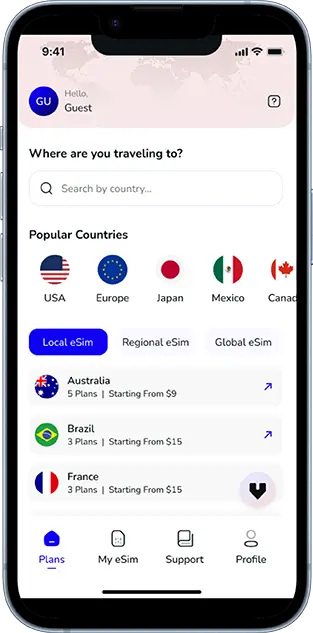
Get your Voye eSIM for Kenya or Tanzania before you fly – stay connected from Nairobi to the Mara.
Getting an East Africa eSIM: Why Voye Is the Smart Choice
Connectivity in East Africa varies significantly by location. Nairobi has excellent 4G coverage. The airstrips and towns around the Maasai Mara have improving but still variable coverage. Remote camp locations may have satellite WiFi but not reliable cellular data. A Voye eSIM for Kenya or Tanzania gives you solid connectivity in Nairobi and the transit corridors – which is where you need it most.
Get your plan through the Voye app before you leave home. Activate on arrival at JKIA (Nairobi) or Kilimanjaro International Airport and your primary SIM stays active alongside it for calls and messages from home.
Key Benefits
- Instant digital delivery – activate before you fly, data starts the moment you land
- Unrestricted hotspot – share your connection with travel companions from one plan
- Keep your home number active – calls, messages, and banking codes continue normally
- 24/7 multilingual support throughout your trip
- Website and app in 13 languages
Use Cases for East Africa Travel
- Navigating Nairobi to your hotel or connecting flight on arrival at JKIA
- Communicating with safari operators and camps via WhatsApp for logistics and itinerary updates
- Checking flight status for internal Kenya and Tanzania safari flights
- Downloading offline maps for the national park areas before entering low-coverage zones
- Booking additional nights, activities, or transfers on the road when plans change
- Sharing footage and photographs from game drives while still in coverage areas

Practical Things That Catch First-Time Safari Travelers Off Guard

The 5:30am start – safari game drives begin before dawn. The best animal activity is in the first two hours of light and the last 90 minutes before sunset. If you are someone who needs time to wake up, set two alarms.
Packing for small aircraft – internal East African flights operate on small Cessna or similar aircraft with strict baggage limits, typically 15kg total in a soft bag (no hard-sided luggage). Pack accordingly.
Currency – Kenya uses the Kenyan Shilling (KES), Tanzania the Tanzanian Shilling (TZS), Rwanda the Rwandan Franc (RWF). US dollars are widely accepted for park fees and in tourist facilities. Carry small denominations.
Yellow fever vaccination – Kenya and Tanzania both require proof of yellow fever vaccination if arriving from certain countries. Check the current requirements for your specific origin country before travel.
Connectivity at camps – most camps have satellite WiFi of variable quality in the common areas. In-tent cellular data is often not available. Use your Voye eSIM in Nairobi and on the road and treat the camp as a connectivity-light zone.
Explore East Africa with reliable data where it counts
Nairobi · transit corridors · airstrips · connecting flights – sorted before you fly.
Frequently Asked Questions
Why is June a good month for safari in East Africa?
June is the first month of the dry season in East Africa, following the end of the long rains in May. The landscape is golden, animals are concentrated around water sources, predator activity is high, and the Great Migration is underway in the Serengeti. Visitor numbers and prices are lower than peak July-August while the wildlife experience is comparable.
Where is the Great Migration in June?
In June, the wildebeest herds of the Great Migration are typically in the Western Corridor of the Serengeti in Tanzania, approaching the Grumeti River crossing. The herds begin moving toward the Kenyan border in late June, arriving in the Maasai Mara in July. June offers good Migration viewing in Tanzania with fewer crowds than the famous Mara River crossings of August.
Do I need a visa to visit Kenya?
Most nationalities can apply for an eVisa to Kenya online before arrival through the eCitizen portal. The fee is USD 50 for most nationalities. Kenya also offers visa on arrival but pre-applying online is faster and avoids queues at JKIA. Check the current requirements for your specific passport.
How does mobile connectivity work on safari in East Africa?
Nairobi has excellent 4G coverage. Coverage along main roads and in larger towns is generally reliable. In remote national park areas and at bush camps, cellular coverage can be very limited or absent. A Voye eSIM provides the best connectivity available in covered areas and is significantly cheaper than international roaming.
The Bottom Line

The question of when to go on safari in East Africa has a short answer: June. The long rains are over, the dry season has arrived, the Migration is moving, and the crowds that define August have not yet descended. The sky, the light, and the sheer density of wildlife around shrinking waterholes in the golden grass of June is the version of East Africa that people who have been before plan their return trips around.
Book early – good camps for June fill by February. Sort your Voye eSIM before you fly. And be ready for a 5:30am alarm that will be worth every second of lost sleep.
Get your Voye eSIM for East Africa
Instant activation · Unrestricted hotspot · Use VOYE15 for 15% off your first order
Seamless Mobile Data Everywhere










 English