




- Difference Between the DMZ and Panmunjom
- Book a DMZ Tour From Seoul
- What Happens Inside the Joint Security Area
- 3rd Tunnel of Aggression Worth Visiting
- See at Imjingak Without a Tour
- Tips on What to Wear and Bring
- What Tourists Commonly Get Wrong About the DMZ
- Staying Connected on Your Trip
- Frequently Asked Questions
What Is the DMZ and Why Can You Visit It?
The DMZ was created as a buffer zone when the armistice was signed on July 27, 1953. Because no ground fighting or construction has touched most of the strip in over 70 years, it has become one of the most biodiverse pieces of land in Asia, home to cranes, deer, and plant species rarely seen elsewhere on the peninsula. Ironically, the same isolation that makes it ecologically remarkable is what makes it politically sensitive.
South Korea allows civilians to visit specific, cleared sections of the border area under supervision. These visits are run through licensed tour operators, not as independent excursions. You cannot simply drive up and walk in. Every visitor is on a scheduled tour, in a group, with a guide who explains what is and isn’t permitted before you get off the bus.
Stay Online Before Your DMZ Trip
Confirm tour pickups and check routes the moment you land in Seoul
What Is the Difference Between the DMZ and Panmunjom?
The DMZ is the entire 4km wide buffer strip running across the peninsula. Panmunjom, inside the Joint Security Area (JSA), is one small village-like compound within the DMZ where the armistice was actually signed, and where the two Koreas’ soldiers stand facing each other across the Military Demarcation Line. Think of the DMZ as the whole border zone and the JSA at Panmunjom as the single point within it where you can physically stand a few feet from North Korean territory.
Most DMZ day tours combine a visit to the JSA with other sites in the southern part of the zone, such as the 3rd Tunnel and observation posts. Some tours only cover the wider DMZ sites and skip the JSA entirely, which matters when you’re comparing itineraries.
How Do You Book a DMZ Tour From Seoul?
There is no free, independent access to the DMZ. Every visit runs through one of two main channels:
- USO tours, which depart from the Yongsan military garrison and are generally intended for US military-affiliated visitors and their guests, though some slots open to the public.
- Civilian tours, which depart from central Seoul hotels and are open to travelers of all nationalities. These require passport registration submitted several days in advance, since names are checked against a government list before the tour is confirmed.
Book at least a week ahead, and earlier during peak season (spring and autumn), since JSA slots are limited and tours are sometimes suspended without notice if tensions rise or joint military exercises are scheduled. Always check the current status with your operator the day before departure.
The DMZ sits about 60km north of Seoul, roughly 90 minutes away by tour bus depending on traffic out of the city. Most full-day tours leave Seoul early morning and return by late afternoon.
What Happens Inside the Joint Security Area?
The JSA is the only place along the entire DMZ where South Korean and North Korean forces stand face to face, separated by a low concrete line and a few meters of ground. Tours here run under stricter rules than anywhere else on the itinerary:
- A dress code applies: no ripped jeans, no sleeveless tops, no military-style or camouflage clothing, and no flip flops. Smart casual is the safest choice.
- Passport checks and background screening happen before you’re allowed on the bus that enters the JSA.
- Photography has been permitted here since 2018, but only in designated areas. Your guide will point out exactly where cameras and phones must be put away, usually near sensitive checkpoints or facilities.
- Groups move together at all times. Wandering off, gesturing toward North Korean soldiers, or shouting is not tolerated and can end the tour for the whole group.
Standing inside the blue conference room that straddles the border, technically stepping into North Korean territory for a moment, is the single most talked about experience on any DMZ itinerary.
Check out our plans
-
South Korea 3 Days Unlimited Data
USD 10.00 -
South Korea 7 Days Unlimited Data
USD 23.00 -
South Korea 10 Days Unlimited Data
USD 30.00 -
South Korea 15 days 8GB
USD 15.00 -
South Korea 15 Days Unlimited Data
USD 43.00
Is the 3rd Tunnel of Aggression Worth Visiting?
Yes, and for many visitors it ends up being the most memorable stop of the day. The 3rd Tunnel was dug by North Korea and discovered by South Korean forces in 1978, one of several tunnels found under the DMZ that intelligence assessments concluded were built for a potential surprise invasion route toward Seoul.
Civilian tours (not just JSA-specific ones) can walk into the tunnel wearing hard hats provided at the entrance. The walk down is steep and the ceiling is low in places, so it’s not ideal for anyone with mobility or claustrophobia concerns. At the far end, you reach the point where the tunnel was blocked and sealed, marked clearly for visitors. Bags and cameras are usually stored in lockers before you go down, since the tunnel itself does not allow photography.
Heading Further Into Asia After Korea?
Set up data coverage for every stop on your itinerary in advance
What Can You See at Imjingak Without a Tour?
Imjingak Park, closer to Seoul than the restricted sections of the DMZ, is freely accessible without booking a special tour or passing a background check. It’s a public park with war memorials, the Freedom Bridge (used for prisoner exchanges after the armistice), and viewing platforms looking north toward the DMZ.
It’s worth knowing this distinction because a lot of visitors assume the whole DMZ works this way. Imjingak gives you a taste of the border’s history and atmosphere, but it does not get you into the JSA, the 3rd Tunnel, or any of the areas where you actually see North Korean territory up close. For that, you need a licensed tour.
What Should You Wear and Bring?
- Smart casual clothing: collared shirts, trousers, or knee-length skirts. Avoid anything torn, sleeveless, or camouflage-patterned.
- Closed-toe shoes, since some sections involve walking on uneven ground or steep tunnel ramps.
- Your passport. This is non-negotiable for JSA tours, since it’s checked against the pre-registered list before boarding.
- A light jacket if visiting in cooler months, since parts of the tour involve standing outdoors at observation posts for extended periods.
Skip Airport WiFi Searches Entirely
Activate your eSIM before departure and land ready to navigate Seoul
What Tourists Commonly Get Wrong About the DMZ?
A few expectations trip up first-time visitors:
- You cannot show up and walk in. There is no independent, self-guided access to the JSA or the restricted DMZ sites, no matter how far in advance you plan.
- Same-day booking rarely works for JSA tours specifically, because of the passport registration requirement.
- Photography rules vary by location, not by tour operator. Even though JSA photography opened up in 2018, your guide still enforces no-photo zones on the spot.
- Tours can be cancelled on short notice due to military exercises or diplomatic tensions. Build flexibility into your Seoul itinerary rather than scheduling your DMZ visit on your only free day.
Staying Connected on Your Trip
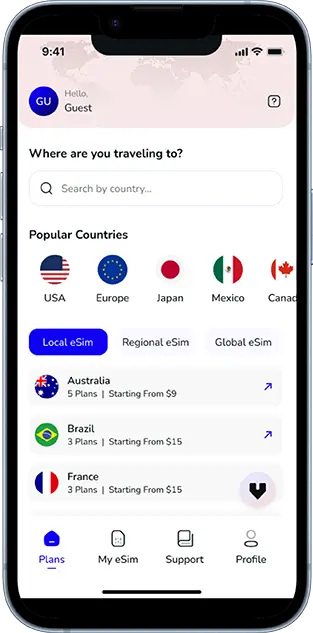
Once you’re back in Seoul, staying online for maps, translation apps, and booking confirmations is far simpler than the tunnel you just walked through. An eSIM plan from Voye Global activates before you land, so you can confirm your tour pickup location, check transit times, and share photos from Imjingak without hunting for airport WiFi. If South Korea is one stop on a wider Asia itinerary, it’s worth comparing notes with travelers heading to Tokyo or planning China’s sky train routes, since connectivity planning looks similar across the region. For general packing advice before any international trip, our guide to must-have travel accessories is worth a look, and you can browse Voye Global’s full eSIM plans on the homepage before you fly.
A DMZ tour is unlike anything else on a Korea itinerary. It rewards preparation: book early, follow the dress code, keep your passport on you, and go in understanding that this is a working military border first and a historic site second. That’s exactly what makes it worth the trip.
Frequently Asked Questions
Yes, Americans can visit through civilian tours departing from Seoul hotels or USO tours from Yongsan garrison. Passport registration is required in advance for JSA access, and there is no restriction specific to US citizens beyond the standard passport and background checks.
Visiting is generally safe since tours are tightly controlled by South Korean authorities and the UN Command. Tours may be cancelled on short notice during military exercises or heightened tension, so safety comes largely from following your guide’s instructions closely.
The DMZ is the entire 4km wide, 250km long buffer strip along the border. Panmunjom is one specific compound inside the DMZ, home to the Joint Security Area, where soldiers from both sides stand face to face.
Panmunjom sits about 60km north of Seoul, roughly a 90 minute drive by tour bus. You cannot drive there independently; access is only through a licensed civilian or USO tour that includes transportation from central Seoul.
Yes, your passport is required for every DMZ and JSA tour. It’s checked against a pre-registered list submitted days in advance by your tour operator, and you must carry the physical passport on the day of the tour.
Most DMZ tours from Seoul run as a full day, roughly 7 to 9 hours including transport, the JSA visit, the 3rd Tunnel, and observation stops. Half-day tours exist but typically skip the JSA.
Wear smart casual clothing: no ripped jeans, sleeveless tops, flip flops, or camouflage patterns. Closed-toe shoes are recommended since parts of the tour involve uneven ground and steep tunnel ramps at the 3rd Tunnel.
Photography has been allowed at the JSA since 2018, but only in designated areas your guide points out on arrival. Restricted zones still exist, and phones or cameras must be put away when instructed.

Seamless Mobile Data Everywhere














 English