




Why June Is Actually Better for Wildlife?
Costa Rica’s wildlife does not follow the tourist calendar. Many of the most sought-after encounters are better in the rainy season. The sea turtle nesting season begins in June along both the Pacific and Caribbean coasts. Tortuguero National Park on the Caribbean – accessible only by boat or small plane – sees green sea turtles arriving on the beach from July, with June marking the beginning of the season preparation and early arrivals.
Rainforest wildlife is consistently more active in the green season. The amphibian population explodes – red-eyed tree frogs emerge with the rain and are most visible on evening walks in June and July. Resplendent quetzals, though more reliably spotted in the dry season at higher altitudes, can be seen in cloud forest areas like Monteverde year-round. Scarlet macaws, toucans, and sloths are present regardless of month.
Arenal: The Volcano and Thermal Springs
Arenal in June wears its clouds like a coat. The volcano – Arenal Volcán – is frequently obscured by low cloud in the rainy season, which frustrates travelers who want the dramatic cone view. The counter-argument: the thermal springs (La Fortuna Waterfall area, the Eco Termales hot springs, the Tabacón resort) are perfect in rain, and the jungle around the volcano is at its most alive. The La Fortuna Waterfall itself – a 70-metre cascade reached by a steep 500-step descent – is at its most powerful and photogenic in June when the flow peaks.
Hanging bridges in the Arenal area (Mistico Arenal Hanging Bridges Park) allow rainforest canopy walks at treetop level – one of the better experiences in the region regardless of season. Book morning slots before the afternoon rain arrives.
Manuel Antonio: Beaches and Rainforest Combined

Manuel Antonio National Park on the Pacific coast combines white sand beaches with dense rainforest in a small, manageable area. The park has strict daily visitor limits – book your entry tickets online in advance as they sell out, particularly for weekends. June conditions at Manuel Antonio are mixed – mornings are typically clear enough for the beach, with rain building in the afternoon.
The wildlife viewing in Manuel Antonio is excellent: white-faced capuchin monkeys come directly onto the beach and into the trees above it, three-toed sloths are visible in the forest canopy at close range, and the park’s trails deliver consistent wildlife encounters within a short walking distance. The town of Quepos, 7km north, has the best accommodation and restaurant options for the area.
The Pacific Coast: Surf and Wildlife Watching
The Pacific coast in June has improving surf conditions as the first consistent swells of the rainy season arrive. Tamarindo and Nosara in the Nicoya Peninsula are established surf destinations with good infrastructure. Nosara – specifically Playa Guiones – has world-class surfing and a conscious eco-tourism community that has maintained the beach in excellent condition. The sea turtle olive ridley arrivals at Playa Ostional, adjacent to Nosara, begin in earnest through June.
The Caribbean Coast: A Different Costa Rica
Puerto Viejo de Talamanca on the Caribbean coast is culturally and climatically different from the Pacific. The Afro-Caribbean culture, the food (rice and beans cooked in coconut milk rather than the Pacific version), and the Rastafarian beach culture create a distinctively different atmosphere. The Caribbean coast has its dry season from September to October and February to April – June is in the wetter period – but the Cahuita National Park coral reef and sloth sanctuary at Aviarios del Caribe operate year-round.
Exploring Costa Rica this June?
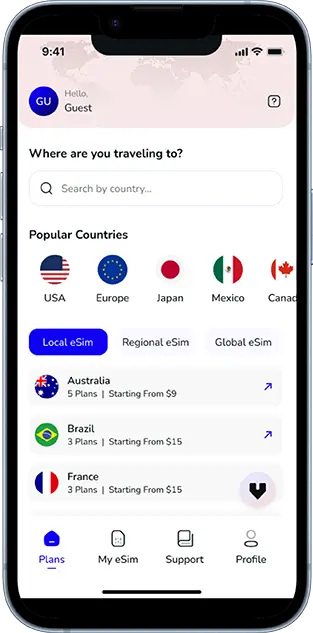
Get your Voye eSIM before you fly – navigate national park bookings, find wildlife reserves, stay connected throughout.
Getting a Costa Rica eSIM: Why Voye Is the Smart Choice
Costa Rica has reasonable 4G coverage in cities and tourist corridors, with more limited signal in remote rainforest areas and national park interiors. San José, Arenal town (La Fortuna), Quepos, and Tamarindo have solid connectivity. Remote lodges in Corcovado, the Osa Peninsula, and Tortuguero have limited or satellite-only connectivity. A Voye eSIM for Costa Rica gives you a local data connection from the moment you land at Juan Santamaría International Airport.
Set up your plan through the Voye app before you travel. Activate on arrival – no airport SIM counter required.

Key Benefits
- Instant digital delivery – activate before you fly, data starts the moment you land in San José
- Unrestricted hotspot – share your connection with travel companions from one plan
- Keep your home number active – calls, messages, and banking codes continue normally
- 24/7 multilingual support throughout your trip
- Website and app in 13 languages
Use Cases in Costa Rica
- Booking Manuel Antonio National Park entrance tickets online before they sell out
- Navigating the route between San José, Arenal, and the Pacific coast on Google Maps
- Finding wildlife guide recommendations and booking night walks via WhatsApp in Monteverde
- Checking waterfall trail conditions after rain before driving to remote access points
- Booking volcano thermal springs and hanging bridge tours from the road
- Translating menus and communicating in smaller towns away from tourist areas

Practical Things That Catch Travelers Off Guard
Road conditions in June – Costa Rica’s rural roads are challenging in the best conditions. In the rainy season, dirt roads can become impassable after heavy rain. 4WD rental is strongly recommended for any trip that includes off-main-road driving. Check road conditions locally before setting out on any unpaved route.
The afternoon rain pattern – the rain typically arrives between 2pm and 4pm and lasts 1-3 hours. Plan outdoor activities for mornings and expect a siesta window in the afternoon. This is not a hardship once you adjust to the rhythm.
National park tickets – Manuel Antonio, Corcovado, and several other parks have implemented online ticketing with limited daily visitor caps. Book before you travel for the dates you need, not on arrival.
Currency – Costa Rica uses the Colón (CRC). US dollars are widely accepted in tourist areas. ATMs are available in cities and tourist towns.
Discover Costa Rica with reliable connectivity
San José to Arenal to Manuel Antonio – your Voye eSIM covers the whole route.
Frequently Asked Questions
Is it worth visiting Costa Rica in June?
Yes, with the right expectations. June is the green season – prices are lower, wildlife is active, the landscape is at its most lush, and the crowds of peak season are gone. The afternoon rain is predictable and short-lived. Travelers who plan around it – mornings for outdoor activities, afternoons for thermal springs or rest – consistently report better experiences than during peak season.
What is the weather like in Costa Rica in June?
June marks the beginning of the rainy season. The typical pattern is clear sunny mornings with rain arriving in the afternoon (2-4pm) lasting 1-3 hours, followed by clearing. The Caribbean coast and Pacific south (Osa Peninsula) tend to be wetter than the Nicoya Peninsula and Arenal area. Temperatures remain warm and consistent at 25-30°C in coastal areas.
Do I need a visa for Costa Rica?
Citizens of the EU, UK, USA, Canada, and most other Western countries can enter Costa Rica visa-free for stays of up to 90 days. Check current requirements for your specific nationality before travel.
Is wildlife viewing good in Costa Rica in June?
Wildlife viewing in June is often better than peak dry season. Sea turtle nesting begins on both coasts. Red-eyed tree frogs emerge with the rain and are most visible in June and July evenings. Sloths, monkeys, toucans, and scarlet macaws are present year-round. The rainforest is at its most active during the rainy season.
The Bottom Line

Costa Rica in June is the version of the country that rewards travelers who did more research than the first Google result. The animals are active, the waterfalls are full, the national parks are uncrowded, and the rain arrives on a schedule you can plan around. Every afternoon you get two hours to sit in a thermal spring or a hammock while the forest does what it does. Then the clouds clear, the frogs come out, and you go for an evening walk in a rainforest that is more alive than anything else in the hemisphere.
Book your national park tickets before you travel. Get a 4WD rental. Sort your Voye eSIM before you fly. And adjust your schedule to match the rhythm of the rain.
Get your Voye eSIM for Costa Rica
Instant activation · Unrestricted hotspot · Use VOYE15 for 15% off your first order
Seamless Mobile Data Everywhere













 English