




Cartagena in June: The Caribbean Coast at Its Best
Cartagena is one of the most beautiful colonial cities in the Americas. The walled city (Ciudad Amurallada) is a UNESCO World Heritage Site – a warren of colorful facades, bougainvillea-draped balconies, and plazas that fill with music in the evenings. June falls in the dry season for Cartagena’s Caribbean coast, making it one of the better months to visit before the rainy season proper arrives in July.
The city divides into three distinct areas worth understanding. The Walled City is where the history is – Plaza de los Coches, Plaza Bolívar, the Gold Museum, and the restored colonial architecture. Getsemaní, immediately outside the walls, was Cartagena’s working-class neighbourhood and is now one of the most vibrant and creative parts of the city, with street art, independent restaurants, and a nightlife scene that runs late. Bocagrande is the modern resort strip – beach hotels and restaurants aimed at domestic Colombian tourists.
The Rosario Islands, an archipelago of coral islands 45 minutes by boat from Cartagena, offer the clearest Caribbean water accessible from the city. Day trips are easily arranged through your hotel. The water temperature in June is warm (28-30°C) and visibility for snorkeling is excellent.
Bogotá: More Than a Layover City
Bogotá gets dismissed as a stopover by travelers who spend one night and fly south. This is a significant mistake. The city at 2,600 metres has a climate that sits permanently in the high teens – jacket weather in the evenings, ideal walking temperature during the day. In June the clear season means views across the city from Monserrate (the hilltop sanctuary reached by cable car) that stretch to the mountains beyond.
La Candelaria, the historic colonial centre, holds the Gold Museum (Museo del Oro) – one of the great museums in the world, housing 55,000 pre-Columbian gold pieces. Entry is less than USD 3. The Botero Museum, displaying Fernando Botero’s sculptures and paintings alongside his personal art collection, is free on Sundays.
The Zona Rosa and Usaquén neighbourhoods are where Bogotá’s restaurant and café culture operates at its most refined. The Sunday flea market in Usaquén fills the plaza and surrounding streets with antiques, street food, and live music from midday. It is one of the best free afternoons in any South American city.
The Coffee Region: Where Colombia Makes Most Sense

The Eje Cafetero – the Coffee Axis – covers the departments of Caldas, Risaralda, and Quindío in the central Andean region. June sits in a transitional weather period for the region – wetter than Cartagena but the dramatic landscape of coffee terraces, wax palm forests, and colonial towns is at its most lush and green. The rains come in bursts rather than all day.
Salento is the most visited town in the region and earns its reputation – the main street is lined with colourful colonial architecture, and the surrounding Valle de Cocora contains the iconic wax palm trees (Colombia’s national tree) that tower 60 metres above the cloud forest floor. The hike from Salento to the valley and back takes 4-5 hours on a clear morning and is one of the most photogenic walks in South America.
Coffee farm tours (fincas) in the region explain the full production process – from cherry picking to fermentation, drying, and roasting. Many farms offer overnight stays. The coffee itself, consumed locally rather than exported, is excellent.
Medellín: The Transformation Worth Seeing
Medellín’s story is one of the most discussed urban transformations of the 21st century – a city that was once among the most dangerous on earth rebuilt through design, investment in public space, and cable car transport systems that connected previously isolated hillside communities. The cable cars (Metrocable) are still operating and the views from the top stations over the sprawling city below are remarkable.

El Poblado is the expat and tourist neighbourhood with good hotels and restaurants. The real Medellín experience is in the communes above – reached by cable car – where the urban art and community projects that drove the transformation are most visible.
Exploring Colombia this June?
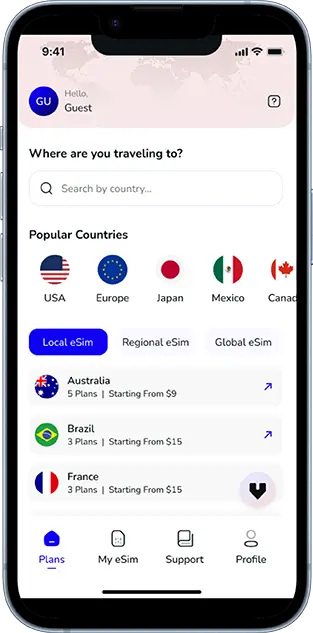
Get your Voye eSIM before you fly – navigate Bogotá, coordinate island trips from Cartagena, stay connected throughout.
Getting a Colombia eSIM: Why Voye Is the Smart Choice
Colombia has improving but inconsistent coverage outside the main cities. Cartagena’s city centre has solid 4G. Bogotá is well covered. The Coffee Region between towns can be patchy. International roaming in Colombia is expensive for most European and North American travelers. A Voye eSIM gives you a reliable local data connection from the moment you land at El Dorado in Bogotá or Rafael Núñez in Cartagena.
Purchase your plan through the Voye app before you leave. Activate on arrival – no airport SIM counter, no registration.

Key Benefits
- Instant digital delivery – activate before you travel, data starts the moment you land
- Unrestricted hotspot – share your connection with your travel group from one plan
- Keep your home number active – calls, messages, and banking codes work normally
- 24/7 multilingual support throughout your trip
- Website and app in 13 languages
Use Cases in Colombia
- Navigating the walled city of Cartagena and finding Getsemaní restaurants on Google Maps
- Booking Rosario Islands day trips via WhatsApp from your Cartagena hotel
- Using the Medellín Metro app (Mío) and navigating the Metrocable system
- Finding coffee farm tour bookings in Salento from the road
- Navigating Bogotá’s TransMilenio BRT system across a spread-out city
- Translating menus and communicating with local vendors in smaller Coffee Region towns

Practical Things That Catch Travelers Off Guard
Altitude in Bogotá – 2,600 metres is significant. Allow a day to acclimatise before strenuous activity. Headaches and shortness of breath are common in the first 24 hours. Drink water and take it easy on arrival.

Currency – Colombia uses the Colombian Peso (COP). The exchange rate makes Colombia very affordable for travelers from Europe and North America. ATMs are widely available, but withdraw larger amounts where possible to reduce transaction fees.
Safety awareness – Colombia has transformed significantly but normal urban precautions apply. Use registered taxis (apps like InDriver and Cabify are recommended over hailing on the street), keep valuables out of sight, and research your specific neighbourhoods before exploring after dark.
Bogotá to Cartagena distance – overland is 16+ hours. Flying is 90 minutes and costs USD 50-100 on Avianca, LATAM, or JetSMART. Build flights into your itinerary rather than overland connections.
Navigate Colombia with reliable data
From Bogotá’s Gold Museum to Cartagena’s walled city – your Voye eSIM covers the journey.
Frequently Asked Questions
Is Colombia safe to visit in 2026?
Colombia has undergone a significant safety transformation over the past two decades and is now a mainstream tourist destination visited by millions annually. The main tourist areas – Bogotá’s Zona Rosa, Cartagena’s Walled City, Salento, and Medellín’s El Poblado – are considered safe for international tourists with standard urban precautions. Check current Foreign Office advisories for specific regions before travel.
Is June a good time to visit Cartagena?
June falls within the dry season for Cartagena and the Colombian Caribbean coast – less humid than the surrounding months with a lower chance of rain. Sea conditions around the Rosario Islands are generally calm, making it a good month for boat trips and snorkeling. It is one of the better months to visit the city.
Do I need a visa for Colombia?
Citizens of the EU, UK, USA, Canada, Australia, and most of Latin America can enter Colombia visa-free for stays of up to 90 days. Check the current visa policy for your specific nationality before travel as requirements can vary.
How do I get between Colombia’s main destinations?
The main cities – Bogotá, Medellín, Cartagena, Cali – are best connected by domestic flights. Avianca, LATAM, and JetSMART offer frequent routes for USD 40-120 one-way. Overland travel is possible but times are long. The Coffee Region is best reached by bus from Bogotá (9 hours) or Medellín (4 hours) or by flying to Pereira or Armenia.
The Bottom Line

Colombia in 2026 is one of the most complete travel destinations in the Americas – three distinct landscapes, two of the most interesting cities on the continent, and a culture of warmth and hospitality that consistently surprises first-time visitors. June gives you Cartagena in its dry window, Bogotá in clear-sky season, and the Coffee Region in full green. The traveler who writes it off as too complicated or too risky is the traveler who misses one of the genuinely great trips.
Sort your Voye eSIM before you fly. It is the one thing that does not need sorting once you land.
Get your Voye eSIM for Colombia
Instant activation · Unrestricted hotspot · Use VOYE15 for 15% off your first order
Seamless Mobile Data Everywhere










 English