













Note that iPhone devices from Mainland China aren’t eSIM compatible. Also iPhone devices from Hong Kong and Macao aren’t compatible (except for iPhone 13 Mini, iPhone 12 Mini, iPhone SE 2020 and iPhone XS)
Colombia has steadily risen from a destination that travelers once overlooked to one of the most exciting and talked-about countries in the Western Hemisphere. The transformation is real, and the appeal is broad. You have the colonial grandeur of Cartagena’s walled city glowing gold in the Caribbean heat, the mountain-draped urban rebirth of Medellin, the sprawling altitude of Bogota packed with world-class museums and restaurants, and the rolling green hills of the coffee region that give the country one of its most defining flavors. All of it sits within a country that, by most international standards, is genuinely affordable to travel through. That combination of variety and value is what keeps Colombia at the top of so many travelers’ shortlists.
The question of what a trip to Colombia actually costs is one that comes up early and often during the planning phase, and the answer is more layered than a single daily number can capture. Budget backpackers moving through hostels and local markets will spend a fraction of what a couple splurging on boutique hotels and private guides will spend. Both are valid ways to experience the country. This guide lays out the full picture, from flights and accommodation to food, transport, and activities, so that you can build a budget that reflects how you actually want to travel and what you genuinely want to get out of your time in Colombia.
Travel Smarter Across Colombia
Stay online with fast, reliable eSIM data throughout your Colombia trip.
Understanding the Three Tiers of Colombia Travel Budgets
Before breaking down individual expenses, it helps to frame the overall landscape with the three broad budget categories that cover most travelers heading to Colombia.
Budget travelers, typically backpackers or those who prioritize experience over comfort, can move through the country on roughly $30 to $40 per day. At this level, you are sharing dorm accommodation, eating at local neighborhood restaurants, relying on public transportation, and largely self-guiding your way through the country’s attractions. This is not a deprivation strategy. Colombian culture is exceptionally rich, even at the lower price points, and local food in particular punches well above what its price tag would suggest.
Mid-range travelers, those who want private rooms, the occasional guided tour, some flexibility with transport, and the freedom to dine somewhere other than the lunch special, should plan for $55 to $80 per day. This tier unlocks a meaningfully more comfortable version of the Colombia experience – including access to boutique hotels, day trips to nearby natural highlights, and enough budget to genuinely explore each city rather than just pass through it.
Comfortable or luxury travelers looking at four-star hotels, private guides, domestic flights between cities, and fine dining at Colombia’s increasingly impressive restaurant scene should budget $100 or more per day. Colombia’s upscale hospitality sector has grown considerably, and visitors at this spending level will find genuinely world-class options, particularly in Cartagena, Bogota, and Medellin.
Getting to Colombia: What International Flights Will Cost You
Flights are typically the highest single cost in any Colombia trip, and the range is wide depending on where you are departing from, when you book, and how flexible you are about routing. From the United States, round-trip airfare to Bogota’s El Dorado International Airport tends to fall between $400 and $650 when booked reasonably in advance. Departure cities closer to the East Coast, such as Miami, New York, and Atlanta, typically have the most competitive options and the most direct routing. Flights into Cartagena command a premium and often require a connection through Bogota, making it worth comparing the price of flying into Bogota and taking a domestic connection against paying for a direct Cartagena flight.
Travelers coming from Canada should expect to pay toward the higher end of the range or beyond it, with a complete 10-day trip from Canada – including international flights, accommodation, food, and activities – averaging around $4,500 in total. That figure represents a reasonable mid-range to comfortable-tier experience with flights included. Booking four to six months in advance tends to yield the best fares from North American departure cities, with prices increasing sharply during peak travel periods around the December holidays and Colombia’s major festivals.
Accommodation in Colombia: From Hostels to Boutique Hotels
Where you sleep in Colombia will have a bigger impact on your daily spend than any other single line item, and the options span a wider range than most people expect. On the budget end, dorm beds in well-reviewed hostels in Bogota, Medellin, and Cartagena run anywhere from $8 to $15 per night. Private rooms at budget guesthouses and smaller hotels typically fall between $25 and $45, offering reasonable comfort without a significant spend. This tier is where many solo and independent travelers land, and the quality of Colombia’s hostel scene has improved substantially over the past decade.
Mid-range boutique hotels are where Colombia’s hospitality genuinely shines. Cartagena’s walled city is home to some of the most beautiful small hotels in South America, with lovingly restored colonial architecture, rooftop pools, and attentive service – often in the $80 to $150 per night range. Medellin’s El Poblado neighborhood is similarly well-served by well-designed boutique properties at competitive rates. For those who prefer package deals, three-night stays in popular destinations like Cartagena are available starting from around $504 per person, which often includes breakfast and represents strong value compared to booking each component separately. Four-star comfort at a full-service hotel generally runs $120 to $250 per night in Colombia’s major cities, with upscale Cartagena properties at the higher end.
Check out our plans
-

Colombia 7 days 3GB
JPY 2,378 -
Colombia 15 days 5GB
JPY 3,488 -
Colombia 30 days 8GB
JPY 5,550 -
Colombia 30 days 15GB
JPY 7,769
Food and Drink: Eating Well Across Every Budget Level
Colombia’s food scene is one of the most underrated in South America, and it is genuinely budget-friendly at the local level. The mid-day menu del dia, a set lunch available at virtually every neighborhood restaurant across the country, is the foundation of affordable eating in Colombia. For roughly $3 to $5, this meal typically includes a soup course, a main plate with rice, beans or lentils, a protein, a salad, a fresh juice, and sometimes a small dessert. Eating the menu del dia at least once a day meaningfully reduces your food costs without sacrificing the authenticity or quality of what you are eating.
Street food fills in the gaps at even lower prices. Arepas, empanadas, fruit cups from roadside carts, and fresh juices blended to order are available across the country for well under a dollar each. Breakfast at a local place typically runs $2 to $4. A sit-down dinner at a mid-range restaurant in Bogota or Medellin is generally $10 to $20 per person, and upscale dining in either city, where the restaurant scene has grown into genuine international territory, can reach $40 to $60 or beyond. Cartagena consistently runs higher than the inland cities for food and drink, particularly within the walled city, where tourist-facing restaurants command premium pricing across the board.
Getting Around Colombia: Transport Options and What They Cost
Colombia’s transport infrastructure offers affordable options at every level. Within cities, the combination of Uber, InDriver, and traditional taxis keeps most urban rides to between $1 and $5. Medellin’s metro system is one of the cleanest and most efficient in South America, with a fare of well under a dollar per ride, and it connects to the system of cable cars and electric escalators that make Medellin’s hillside neighborhoods genuinely accessible. Bogota’s Transmilenio bus rapid transit network covers the city extensively at a similar cost per ride.
For inter-city travel, long-distance buses are the primary option for budget and mid-range travelers. The route between Bogota and Medellin, one of the most popular overland journeys in the country, costs roughly $15 to $25 depending on the level of service, and the drive through mountain scenery is worth making at least once for the landscape alone. Bus routes between Bogota and the coffee region, or from Medellin to the coast, are similarly priced. Domestic flights offer a time-saving alternative, and Colombia’s internal air routes are competitive in price when booked in advance, sometimes rivaling premium bus fares for the longer distances.
Tours, Activities, and Experiences Worth Budgeting For
Colombia’s range of activities and experiences is one of its strongest draws, and the pricing across most of them reflects the country’s broader affordability. In Cartagena, a guided walking tour of the walled city or a boat day trip to the Rosario Islands typically costs between $30 and $60 per person. The coffee region’s guided farm tours, where you can trace the journey of Colombian coffee from bean to cup on a working estate, run between $25 and $50 for a half day. Paragliding above Medellin – one of the city’s signature experiences for adventurous visitors – is generally available for $50 to $70 per person.
For budget travelers, Colombia’s cities and natural spaces offer a great deal without any tour cost at all. Bogota’s historic La Candelaria neighborhood, the Plaza de Bolivar, the Botero sculptures in the outdoor plazas of Medellin, and the public beach access of Cartagena are all free. Mid-range and luxury travelers will find that Colombia’s paid experiences remain considerably more affordable than comparable tours in European or North American destinations, making it easy to do more without the cost penalty you might expect.
Staying Connected in Colombia Without Overpaying

Reliable mobile data has become a non-negotiable part of international travel, and Colombia is no exception. Navigation apps, ride-sharing platforms, currency conversion tools, translation services, and booking platforms all depend on having a working data connection. Relying on hotel Wi-Fi alone leaves too many gaps on a trip of any real length, especially when you are moving between cities or spending time in neighborhoods where Wi-Fi options are sparse.
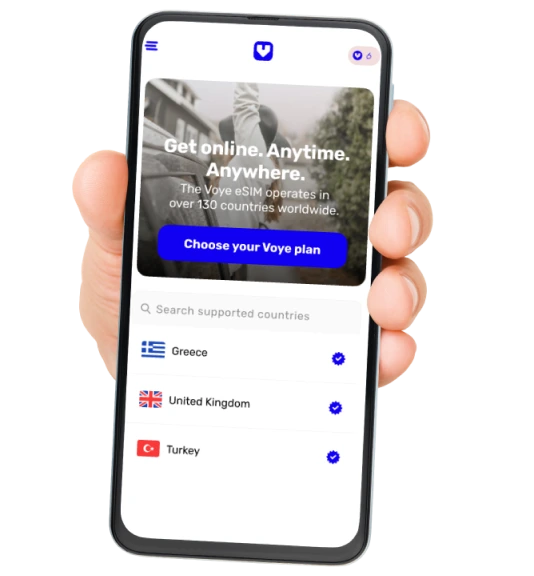
For most international visitors, activating an eSIM for Colombia before departure is the most practical and cost-effective solution. An eSIM is a digital SIM card built directly into your smartphone that you activate remotely, without needing to locate a carrier store or swap out a physical card on arrival. Coverage is consistent, setup takes only a few minutes, and there are no surprise roaming charges appearing on your home carrier bill at the end of the trip. Voye Global eSIM for Colombia is designed for exactly this kind of international travel, offering straightforward regional data coverage so that you can navigate, communicate, and share your experience from the moment you land without any connectivity gaps.
Never Lose Signal in Colombia
Activate eSIM coverage before your Colombia adventure even begins.
Planning Your Full Colombia Budget by Trip Length
Pulling all of these categories together into a realistic total gives a clearer picture of what to expect when you start making bookings. These figures represent in-country spending only, excluding international flights, which add $400 to $700 per person from most North American departure cities.
- A 10-day budget trip (hostels, local food, public transport, self-guided) typically comes to $350 to $500 in-country.
- A 10-day mid-range trip (private rooms, guided tours, mix of transport) generally runs $600 to $900.
- A 21-day comfortable mid-range trip lands in the $1,200 to $2,000 range, which aligns with the commonly cited estimate for a safe, well-rounded three-week Colombia experience.
- A 21-day upscale trip with boutique hotels and private experiences can reach $2,500 to $3,500 or more.
For a complete 10-day mid-range trip from Canada, including flights, the realistic all-in total sits in the $1,500 to $2,500 range for most travelers, though pre-packaged itineraries that bundle premium accommodation and curated experiences can push that figure toward the $4,500 mark. The choice of how you put the trip together matters as much as where you go.
Conclusion
Colombia rewards travelers who go in with clear expectations and a realistic plan. The country genuinely works across every budget level, and it does so without the compromise in experience that “budget travel” sometimes implies elsewhere in the world. The local food is exceptional, the hospitality is warm, the landscapes are diverse, and the cities each offer something distinct enough to fill multiple days without feeling like you have exhausted what they have to offer. For the price you pay to be there, Colombia continues to be one of the best value-per-experience destinations anywhere on the planet.
The most important step you can take before your trip is to build a budget grounded in the specific choices you plan to make: where you will sleep, how you will get between cities, what meals and experiences you prioritize, and how many days you have to work with. When those pieces are in place, Colombia stops being an abstract “affordable destination” and becomes a fully planned, genuinely achievable trip. Get the budget right, sort out your connectivity, and let the country take care of the rest.

Seamless Mobile Data Everywhere
Voye Global — Your Trusted eSIM Partner for Secure & Reliable Travel.



 English