




Both cities are beloved by solo travellers for different reasons. Bangkok is a pulsing, chaotic, utterly intoxicating metropolis that throws everything at you at once. Chiang Mai is slower, greener, and built for people who want to sink in rather than rush through. Choosing between them is not about which city is objectively better. It is about which one suits you, your budget, your travel style, and what you want to carry home from Thailand.
This guide compares both cities across every factor that matters to solo travellers, so you can land with confidence.
At a Glance: Chiang Mai vs Bangkok
| Factor | Bangkok | Chiang Mai |
|---|---|---|
| Vibe | Fast, loud, electric | Relaxed, creative, cosy |
| Cost of living | Moderate | Budget-friendly |
| Solo traveller safety | Generally safe | Very safe |
| Digital nomad scene | Large and growing | One of Asia’s best |
| Temple culture | Iconic (Wat Pho, Wat Arun) | Rich (300+ temples) |
| Nightlife | World-class | Lively but low-key |
| Street food | Outstanding variety | Outstanding variety |
| Getting around | BTS, MRT, Grab | Songthaew, Grab, scooter |
| Day trips | Ayutthaya, Floating Markets | Elephant sanctuaries, Doi Inthanon |
| Best for first-timers | Yes, iconic introduction | Yes, gentler pace |
| Best season | Nov to Feb | Nov to Feb |
Overall Atmosphere and Travel Experience
Bangkok hits you like a wave. The traffic is relentless, the streets are steaming, the night markets glow until 3 AM, and there is always something happening around the next corner. Solo travellers who love stimulation, variety, and the electric feeling of a city that never sleeps will absolutely thrive here.
Chiang Mai has perfected the art of slow travel. Nestled in northern Thailand and framed by mountains, the city moves at a human pace. The Old City is walkable, the coffee shop culture is thriving, and the community of long-term travellers means you will make friends faster than you expect.
For a first Southeast Asia trip, Bangkok delivers the full-throttle baptism by fire. For those who want to stay longer, work remotely, or explore Thai culture without sensory overload, Chiang Mai is the better landing pad.
Safety for Solo Travellers
Both cities are considered safe relative to many global destinations, with millions of solo travellers visiting each year without incident.
Bangkok is generally safe but the volume of tourists means petty crime and scams targeting visitors are more common. The tuk-tuk gem scam, inflated taxi prices, and fake tour operators are real hazards. Using Grab instead of unmarked cabs, sticking to well-lit areas, and keeping valuables secured keeps risk minimal.
Chiang Mai consistently rates as one of Southeast Asia’s safest cities for solo travellers, including solo women. The pace is slower, the streets feel less predatory, and the community vibe means neighbours tend to look out for each other.
Solo travel tip: Regardless of which city you choose, share your location with someone back home, store digital copies of your passport, and always download offline maps before heading out.
Cost Breakdown and Sample Daily Budgets
Bangkok
| Travel Style | Estimated Daily Budget (USD) |
|---|---|
| Budget backpacker | $25 to $45 |
| Mid-range solo traveller | $60 to $100 |
| Digital nomad (comfortable) | $80 to $130 |
| Luxury solo traveller | $200+ |
Guesthouses near Khao San Road go for $8 to $15 a night. Street food meals cost $1.50 to $3, while BTS and MRT rides run $0.50 to $1.50.
Chiang Mai
| Travel Style | Estimated Daily Budget (USD) |
|---|---|
| Budget backpacker | $20 to $35 |
| Mid-range solo traveller | $40 to $70 |
| Digital nomad (comfortable) | $60 to $100 |
| Luxury solo traveller | $120 to $200 |
Monthly furnished studio rentals start around $250 to $400, which is why digital nomads base themselves here for months at a time. Local meals cost $1 to $2.50, and a scooter rental runs about $5 to $8 per day.
Verdict: Chiang Mai wins for budget travellers and extended stays. Bangkok is still affordable by global standards but noticeably more expensive.
Stay Connected From the Moment You Land
Get instant high-speed data across Thailand with no SIM card queue needed.
Digital Nomad and Remote Work Scene
Chiang Mai has earned its title as one of the top digital nomad cities in Asia. The Nimman neighbourhood is packed with coworking spaces, fast WiFi cafes, and a community that runs regular meetups and skill-sharing events. Monthly coworking memberships start around $50 to $80. For people who want to build a routine and feel like a temporary local, Chiang Mai delivers.
Bangkok’s nomad scene is larger in absolute numbers but spread across a much bigger city. Silom, Sathorn, and Ekkamai have excellent coworking infrastructure, and the city’s transit network means options are accessible. Bangkok suits nomads who want big-city energy alongside their work setup.
Recommendation: For focused remote work and community, choose Chiang Mai. For big-city variety and international connectivity, Bangkok works well.
Cultural Attractions and Temples
Bangkok is home to Thailand’s most iconic temples. Wat Pho with its 46-metre reclining Buddha, Wat Arun across the Chao Phraya river, and the Grand Palace are all genuinely magnificent. The city also rewards neighbourhood exploration, from the street art district of Talat Noi to the food pilgrimage of Yaowarat (Chinatown).
Chiang Mai contains over 300 temples within and around the city. Wat Phra That Doi Suthep, perched on a mountain overlooking the city, is one of the most sacred sites in Thailand. Wat Chedi Luang sits at the heart of the Old City and dates to the 14th century. The slower pace allows you to explore these spaces without the crowd pressure that Bangkok’s top sites bring.
For culture seekers: Bangkok for grand scale and iconography. Chiang Mai for depth, contemplation, and proximity.
Nightlife and Social Opportunities
Bangkok is one of the world’s great nightlife cities. Rooftop bars in Sathorn, the bar-lined Sukhumvit Soi 11, and the underground club scene near RCA offer something for every taste. Meeting other solo travellers is effortless.
Chiang Mai is more low-key but genuinely enjoyable. The Sunday Walking Street and Saturday Night Bazaar are social institutions. Nimman Road has a growing craft beer and cocktail scene. For solo travellers who want to socialise without being overwhelmed, Chiang Mai’s nightlife is the more approachable option.
Getting Around Each City
Bangkok has one of Southeast Asia’s best urban transit systems. The BTS Skytrain and MRT Metro connect the major districts efficiently. Grab is reliable and transparent on pricing. The only challenge is traffic, which can turn a short-looking map distance into a 45-minute ride during peak hours.
Chiang Mai is far easier to navigate as a first-time visitor. The Old City is walkable, songthaew (shared red pickup trucks) cover most areas for 30 to 50 baht, and renting a scooter gives you complete freedom. Grab works well here too.
Verdict: Bangkok has better public infrastructure. Chiang Mai is easier and more enjoyable to navigate independently.
Day Trips and Nearby Adventures
Bangkok day trips: Ayutthaya (UNESCO ruins, 1.5 hours by train), Amphawa Floating Market (2 hours), Kanchanaburi (WWII history and waterfalls), and Hua Hin (beach town, 3 hours).
Chiang Mai day trips: Doi Inthanon National Park (Thailand’s highest peak), Elephant Nature Park (ethical sanctuary and a life highlight for many visitors), Chiang Rai (White Temple, 3 hours), and the Mae Hong Son Loop for motorbike adventurers.
For adventure travellers, Chiang Mai wins clearly. The surrounding mountains, forests, and northern roads are destinations in themselves.
Best Areas to Stay for Solo Travellers
Bangkok
- Banglamphu (Khao San Road area): Classic backpacker hub, budget-friendly, close to major temples
- Silom/Sathorn: More polished, great BTS access, suits mid-range travellers
- Sukhumvit: Cosmopolitan, vibrant nightlife, excellent food and transport options
Chiang Mai
- Old City: Best for first-timers, walkable, concentrated temple culture, strong hostel scene
- Nimman (Nimmanhaemin Road): Hip and creative, ideal for digital nomads, excellent cafes
- Santitham: Local neighbourhood feel, affordable, less touristy
Food Experiences and Street Food Culture
Bangkok offers the full spectrum of Thai regional cooking and outstanding international cuisine. Street food is legendary, from pad thai stalls on every corner to Michelin-recognised vendors. Night markets like Rod Fai are food pilgrimages in their own right.
Chiang Mai specialises in northern Thai cuisine, which is genuinely distinct. Khao Soi (a rich coconut curry noodle soup) is the city’s signature dish and absolutely unmissable. Sai Oua sausage, Gaeng Hang Lay pork curry, and sticky rice round out a regional food identity that Bangkok cannot replicate.
For food lovers: Bangkok for variety and scale. Chiang Mai for regional depth and a more intimate food culture. Ideally, try both.
Weather and Best Time to Visit
Cool and dry season (November to February) is the best time for both cities. Bangkok is around 26 to 30 degrees Celsius. Chiang Mai is noticeably cooler, with evening temperatures dropping to around 15 degrees Celsius in January.
Note for Chiang Mai visitors: March and April bring the spectacular Songkran Festival (Thai New Year) but also burning season, when agricultural fires can significantly affect air quality. Check forecasts before travelling during this period.
Check out our plans
-
Thailand 3 Days Unlimited Data
USD 8.00 -
Thailand 10 Days Unlimited Data
USD 27.00 -
Thailand 15 days 10GB
USD 9.00 -
Thailand 7 days 6 GB
USD 7.00 -
Thailand 20 Days Unlimited Data
USD 39.00 -
Thailand 30 days 25GB
USD 19.00
Staying Connected: Why Reliable Data Is Non-Negotiable for Solo Travellers
Before we get to itineraries, let us address something solo travellers consistently underestimate: your mobile data connection is not a luxury in Thailand. It is infrastructure.
Think about how much depends on it. You use Grab to book safe, price-transparent rides instead of negotiating with unmarked taxis. You use Google Maps to navigate side streets, find hidden temples, and avoid getting lost in Bangkok’s vast grid. You use Google Translate’s camera function to read Thai menus and signs in real time. You book accommodation, day tours, and buses on the go. You stay in touch with family or friends back home for safety. You share your journey because that, too, is part of the experience.
Hunting for a physical SIM card on arrival adds friction to your first hours in a new country. Queues at airport counters, potential language barriers, and uncertainty about compatibility are all avoidable.
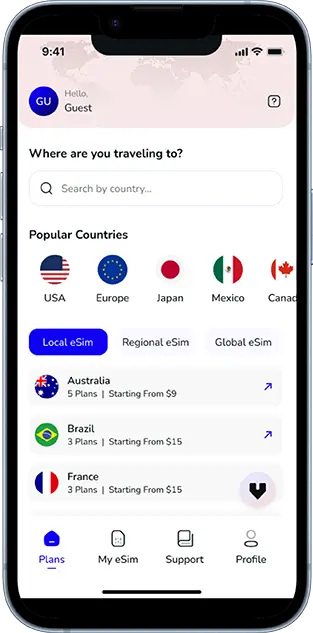
Voye Global’s Thailand eSIM eliminates all of that. You activate it before leaving home, directly on your phone, with no physical card needed. The moment your flight lands, you have high-speed data ready to use. Plans are flexible for different trip lengths and data needs, and rates are genuinely competitive compared to international roaming from your home carrier. Coverage is reliable across Bangkok, Chiang Mai, and Thailand’s major tourist destinations.
For solo travellers, being connected from minute one is about safety, confidence, and making the most of every day. With Voye Global’s Thailand eSIM, it is one less thing to think about.
Suggested Solo Itineraries
3 Days in Bangkok
Day 1: Wat Pho, ferry to Wat Arun, Grand Palace area, evening in Yaowarat (Chinatown) for street food.
Day 2: Talat Noi street art neighbourhood, Jim Thompson House, Chatuchak Weekend Market (weekends), rooftop bar at sunset.
Day 3: Day trip to Ayutthaya by morning train. Bicycle the UNESCO ruins. Return to Bangkok by evening.
3 Days in Chiang Mai
Day 1: Old City temples (Wat Chedi Luang, Wat Phra Singh), khao soi lunch at a local shophouse, Thai cooking class, Night Bazaar.
Day 2: Doi Suthep temple and mountain views in the morning, Nimman neighbourhood cafes and street art in the afternoon, solo traveller meetup or live music in the evening.
Day 3: Full-day ethical elephant experience at Elephant Nature Park. Finish with the Saturday or Sunday Walking Street for final street food and souvenirs.
Pros and Cons
Bangkok
Pros: World-class infrastructure, extraordinary food variety, iconic attractions, vibrant nightlife, excellent international transport links, wide accommodation range.
Cons: Traffic can be brutal, more expensive than Chiang Mai, higher density of tourist scams, sensory overload can be a real issue.
Chiang Mai
Pros: Affordable, very safe, outstanding digital nomad infrastructure, rich temple culture, easy to navigate, excellent adventure day trips, strong long-term traveller community.
Cons: Limited public transit, burning season air quality issues in March and April, fewer direct international flights, nightlife is tamer than Bangkok.
Which City Is Best for Your Travel Style?
Budget backpackers: Chiang Mai. Your money goes further and the hostel community is genuinely welcoming.
Digital nomads: Chiang Mai first, Bangkok second if you want big-city energy.
Culture seekers: Both. Bangkok for grand iconic temples. Chiang Mai for depth and a contemplative pace.
Adventure travellers: Chiang Mai. The surrounding region is the adventure.
Luxury solo travellers: Bangkok. Rooftop pools, world-class spas, and fine dining are unmatched here.
First-time visitors to Thailand: Start in Bangkok, then take the overnight train or one-hour flight to Chiang Mai. Do not choose between them. Do both.
Your Thailand Adventure Starts Here
Activate your Voye Global eSIM before departure and travel smarter from day one.
FAQs: Solo Travel in Thailand
1. Is Thailand safe for solo female travellers?
Yes, particularly compared to many other destinations. Both cities are considered safe for solo women. Use Grab, avoid isolated areas at night, and trust your instincts.
2. Do I need to speak Thai?
Not at all. English is widely spoken in tourist areas and restaurants. Google Translate with camera mode covers most gaps, though you will need reliable data to use it.
3. How do I get between Bangkok and Chiang Mai?
The one-hour flight is fastest and often affordable when booked ahead. The overnight train (12 to 14 hours) is a beloved solo traveller experience with comfortable sleeper cabins.
4. Is it easy to make friends as a solo traveller?
Very easy. Hostels, cooking classes, coworking spaces, and group tours are all natural social hubs. Thailand’s solo travel community is one of the most welcoming in Asia.
5. What is the best data option for solo travel in Thailand?
Thailand eSIM from Voye Global is the most convenient choice. Activate before arrival, skip the airport SIM queue, and have data working the moment you land.
6. Can I visit both cities in one trip?
Absolutely, and most experienced Thailand travellers strongly recommend it. A week in each city gives you a genuinely rounded experience.
Final Verdict: Chiang Mai or Bangkok?
If you are visiting Thailand for the first time with limited time, start in Bangkok. Its scale, energy, iconic temples, and excellent transport connections make it the right introduction to the country.
If you have two or more weeks, or you are returning with a desire to go deeper, Chiang Mai will likely become your favourite city. The pace, the people, the food, the surrounding landscape, and the affordability make it one of the most rewarding solo travel destinations in Asia.
And if you have the chance to do both? Take it.
Before you board either flight, get your connectivity sorted. Activate the Voye Global Thailand eSIM from home and land with high-speed data ready to go. Navigation, ride-hailing, translation, bookings, and staying in touch with people who care about you should all work from minute one. That is not a small thing when you are travelling solo.
Thailand is waiting. Go explore it.

Seamless Mobile Data Everywhere













 English