




Why Choose the Local Island Version of the Maldives?
Local islands opened to independent tourism in 2009, and they give you something resorts cannot: an actual country, not just a resort footprint on a private atoll. You will hear Dhivehi spoken on the street, eat grilled reef fish and mas huni for breakfast at a teashop for $3, and walk past a working fishing harbor on your way to snorkel the same reef a five star resort charges $150 for a boat trip to reach.
The trade off is real too. Alcohol is not served outside resorts, most islands are small enough to walk in twenty minutes, and modest dress is expected outside designated tourist beaches. None of that makes it a lesser trip. It makes it a Maldives that far fewer travelers ever actually see.
Land in Male Ready to Connect
Book your Maldives ferry and guesthouse transfers the moment you touch down
Arriving in Male: The City Most Tourists Skip?
Most visitors land at Velana International Airport and transfer straight to a resort speedboat within the hour, never setting foot in the capital. That is a missed half day. Male is a dense, walkable island packed into just over 2 square miles, and it rewards a few hours of wandering before you head to the atolls.
Start early at the fish market on the northern waterfront, where boats unload skipjack tuna at dawn and the trading is loud and fast. Walk two minutes to the adjoining fruit and vegetable market for mangoes and dried fish snacks. Visit Hukuru Miskiy, the Old Friday Mosque, a 17th century coral stone building with intricate carved panels, one of the few pieces of pre-resort Maldivian history still standing. Finish at the waterfront promenade near the harbor, where families gather in the evening and you can grab a cheap curry from a local cafe for $4 to $6.
If you are short on time before your onward ferry or flight to another atoll, budget at least three hours in Male rather than treating it as a layover.
Getting to a Local Island: Ferry or Speedboat?
This decision shapes your budget more than almost anything else in the trip.
Public ferry (MTCC ferries): Run by the Maldives Transport and Contracting Company, these connect Male to nearby atolls for $2 to $10 depending on distance. They are slow, sometimes taking two to four hours to reach islands in Kaafu or Vaavu atoll, and they run on a fixed weekday schedule that rarely lines up neatly with international flight arrival times. If your flight lands mid afternoon, you may need to overnight in Male before the next morning ferry.
Speedboat transfer: Private or shared speedboats cost $30 to $80 per person depending on distance and cut travel time to 30 minutes to two hours. Guesthouses on popular islands like Maafushi, Thulusdhoo, and Dhigurah can usually arrange a transfer that meets your flight, even late in the day.
A practical approach for a first trip: take the speedboat on arrival day so you are not stuck waiting on a schedule, then use the public ferry for any inter-island hops later in your trip once you have flexibility.
Plan Your Sandbank Trip Online
Check tide times and message guesthouses without hunting for WiFi
Where to Stay on a Local Island Budget?
Guesthouses on islands like Maafushi, Fulidhoo, Dhigurah, and Thulusdhoo run $60 to $150 a night, most including breakfast and often air conditioning and WiFi. Maafushi is the most developed with the largest range of dive shops and excursion operators. Fulidhoo and Thulusdhoo are quieter, smaller, and closer to the feel of a fishing village.
Book directly with the guesthouse when possible; many respond quickly on WhatsApp and will throw in a free airport pickup coordination call. Expect simple rooms rather than resort finishes, but consistently clean, well run, and staffed by people who grew up on the island and know the reef better than any resort activities desk.
Check out our plans
-
Maldives 7 days 3GB
USD 24.00 -
Maldives 14 days 7GB
USD 55.00 -
Maldives 30 days 3GB
USD 31.00 -
Maldives 30 days 10GB
USD 75.00
The Sandbank Picnic: The Real Overwater Moment
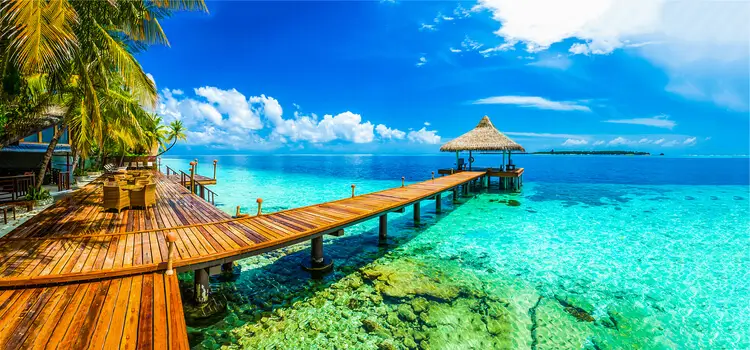
This is the experience that makes the local island version of the Maldives worth it on its own. For around $40 per person, any local island guesthouse can arrange a half day trip to a sandbank, a strip of pale sand sometimes no bigger than a tennis court, rising just above the surface of the Indian Ocean with nothing else visible in any direction. No resort, no jetty, no other boat.
You get dropped off with a packed lunch, snorkel gear, and a few hours before the boat returns. The water around the sandbank is often barely knee deep for fifty meters in every direction, shifting through pale blue to deep navy at the reef edge. It is the same image sold on every resort brochure and Instagram feed of the Maldives, minus the villa price tag and minus anyone else on it.
Bikini Beach Etiquette and Local Island Dress Codes?
The Maldives is a conservative Islamic country outside the resort islands, and this shapes what you wear and where. Every inhabited local island designates one small stretch, usually called “Bikini Beach,” where swimwear is allowed. Everywhere else on the island, including the main beach fronting the village, modest dress applies for both men and women: shoulders and knees covered, no swimwear.
This is not a suggestion, it is the condition under which local islands are permitted to host tourists at all, and it is easy to follow. Pack a sarong or light cover up, change at the guesthouse rather than on the street, and save the bikini or swim shorts for the marked beach or a boat trip. Most travelers find this becomes second nature within a day and it costs nothing to respect.
Skip the Airport SIM Line
Arrive already connected instead of queuing at a Male phone shop
What a Week Actually Costs?
A realistic seven night budget on local islands, per person, sharing a room:
| Expense | Cost (USD) |
|---|---|
| Guesthouse (7 nights) | $420 to $1,050 |
| Meals (3/day, local cafes) | $140 to $210 |
| Speedboat transfers (round trip) | $60 to $160 |
| One sandbank picnic | $40 |
| One snorkeling or dolphin trip | $30 to $50 |
| Airport arrival/departure incidentals | $20 |
| Total | $710 to $1,530 |
Compare that to a single night in an overwater villa at most resorts, and the math explains why local islands have become the default choice for travelers who want the Maldives without the resort budget.
Staying Connected Across the Atolls
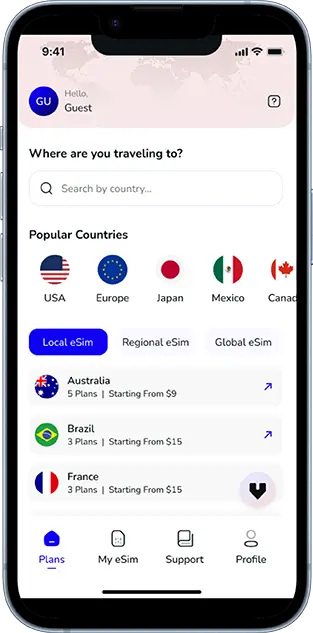
WiFi at local island guesthouses is usually workable but inconsistent, and it often weakens the moment you leave the main village road. Local SIM cards are sold in Male but require a passport and a shop visit, which eats into your limited city time. Setting up a Maldives eSIM before you land means you can check ferry times, message your guesthouse about a delayed flight, or look up tide times for the sandbank trip the moment you land at Velana Airport, without hunting for a shop or relying on patchy resort style connections.
If your Maldives trip is part of a longer regional swing through Asia, it is worth comparing notes with other budget-first guides, like this Thailand budget vacation guide or this Malaysia travel guide, both built around the same idea of skipping resort markups without skipping the experience.
A local island Maldives trip rewards travelers who like a bit of independence: booking your own boat, picking your own cafe, working out the ferry schedule instead of having it handled for you. It is slower in places and occasionally inconvenient, but it puts you in the actual country, not just its resort industry, for a fraction of the price.
Frequently Asked Questions
Yes, seven days is a comfortable length for a budget Maldives trip. It allows a half day in Male, four to five nights on one local island, a sandbank picnic, and a snorkeling trip, without the tight connections a shorter visit forces.
Budget travelers staying on local islands typically spend $100 to $220 per day per person, covering guesthouse accommodation, three meals, and one activity. This is far below the $700 to $1,500 nightly rate for resort water villas alone.
Yes, local island guesthouses make a budget Maldives trip very achievable. Rooms run $60 to $150 a night, meals cost $3 to $10, and excursions like sandbank picnics cost around $40, all on the same reefs resorts use.
Fly into Male, then use public MTCC ferries between atolls instead of resort seaplane or speedboat transfers. Ferries cost $2 to $10 per trip versus $30 to $80 for a private speedboat, though schedules run on weekdays only.
A week on local islands runs roughly $710 to $1,530 per person, covering guesthouse stays, meals, transfers, a sandbank picnic, and one snorkeling trip. That is often less than a single night in an overwater villa.
Yes, local island guesthouses on Maafushi, Fulidhoo, Thulusdhoo, and Dhigurah offer clean rooms with breakfast for $60 to $150 a night, a fraction of resort water villa pricing while sitting on the same lagoons.
The low season from May to October, during the southwest monsoon, brings lower guesthouse rates and fewer crowds, though expect more rain showers. December to April is drier but pricier across both resorts and local islands.
Eat at local teashops and cafes on inhabited islands instead of guesthouse restaurants aimed at tourists. Dishes like mas huni and grilled reef fish cost $3 to $6, compared to $20 or more at resort dining venues.

Seamless Mobile Data Everywhere












 English