




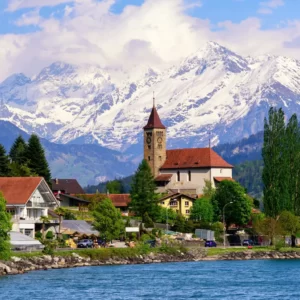
Switzerland is one of those rare destinations that feels magical in every season. From snow-covered Alpine peaks to flower-filled valleys and crystal-clear lakes, the country offers a constantly changing landscape that draws travelers year-round. Choosing the best time to visit Switzerland depends largely on what kind of experience you want. Whether you are planning a scenic hiking trip, a winter ski adventure, or a relaxing getaway surrounded by nature, timing plays a crucial role in shaping your journey.
Understanding Switzerland’s seasonal rhythm can help you make the most of your trip. Each month brings a unique charm, along with different activities, crowd levels, and travel costs. In this detailed guide, you will discover the best months to visit Switzerland based on weather, activities, and overall experience, helping you plan a trip that feels perfectly tailored to your travel style.
Why Timing Matters When Visiting Switzerland?
Switzerland’s geography is incredibly diverse, with high mountains, rolling hills, and serene lakes all packed into a relatively small country. This variation means the weather can differ significantly depending on where you go and when you visit. While summer offers warm days and accessibility to high-altitude trails, winter transforms the country into a snowy paradise ideal for skiing and festive celebrations.
Choosing the right month also affects your budget and crowd experience. Peak travel months, such as July and August, bring higher prices and busy tourist spots, while shoulder seasons offer quieter experiences and better value. Knowing when to go ensures that you get the most out of your time without unnecessary stress.
Stay Connected in Switzerland
Enjoy seamless data connectivity while traveling across Switzerland effortlessly.
September: The Best Overall Month for Switzerland
If there is one month that stands out as the best time to visit Switzerland, it is September. This period offers an almost perfect balance of weather, scenery, and crowd levels. The summer crowds begin to fade, yet the weather remains warm enough to enjoy outdoor activities comfortably.
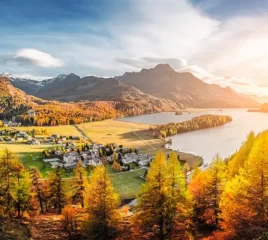
September is especially ideal for hiking. Trails in the Alps are still accessible, and the air is crisp and clear, providing stunning views of the mountains. As the month progresses, early autumn colors begin to appear, adding a golden hue to the landscapes. This makes it a dream destination for photographers and nature lovers.
Another advantage of traveling in September is the reduced cost compared to peak summer months. Accommodation and transportation become slightly more affordable, and popular attractions are less crowded, allowing for a more relaxed travel experience.
June: Lush Landscapes and Pleasant Weather
June is another excellent month to visit Switzerland, especially for travelers who want to experience the country’s natural beauty at its peak. During this time, the valleys are vibrant and green, with wildflowers blooming across meadows and hillsides.
The weather in June is comfortably warm without being overly hot, making it perfect for exploring both cities and rural areas. Lakes are calm and inviting, and outdoor activities such as hiking, cycling, and sightseeing are in full swing. Compared to July and August, June also sees fewer tourists, which means shorter lines and a more peaceful atmosphere.
For those who enjoy scenic train rides, June offers some of the most picturesque views, as the countryside is alive with color and freshness. It is a fantastic time to experience Switzerland’s iconic landscapes without the peak season rush.
July and August: Peak Summer and High Energy
The summer months of July and August are the most popular times to visit Switzerland. During this period, the weather is at its warmest, and all tourist attractions, mountain railways, and hiking trails are fully open.
These months are ideal for travelers who want to enjoy lake activities, festivals, and long daylight hours. Cities like Zurich, Lucerne, and Interlaken are lively, with plenty of events and outdoor dining options. The Swiss Alps have also become a hub for adventure seekers, offering opportunities for hiking, paragliding, and mountain biking.
However, the popularity of these months comes with some downsides. Crowds can be overwhelming, especially in well-known tourist destinations. Prices for accommodation and transportation are also at their highest. If you choose to travel during this time, it is essential to plan and book everything in advance.
Check out our plans
-
Switzerland 7 Days 5GB
USD 9.00 -
Switzerland 7 Days Unlimited
USD 13.00 -
Switzerland 15 Days 8GB
USD 13.00 -
Switzerland 15 Days Unlimited
USD 23.00 -
Switzerland 30 Days 25GB
USD 25.00 -
Switzerland 30 Days Unlimited
USD 39.00
May and Early June: Spring Beauty and Fewer Crowds
Late spring, particularly May and early June, is a wonderful time to visit Switzerland for those who prefer a quieter and more relaxed experience. The landscapes begin to come alive after winter, with flowers blooming and greenery spreading across the valleys.
While lower valleys are lush and perfect for light hiking, it is important to note that many high-altitude trails (above 2,000 meters) remain snow-covered and inaccessible until late June or early July. If your goal is to trek famous alpine routes, plan for the latter half of June. This period offers a peaceful atmosphere and blooming wildflowers before the peak summer rush begins.
Traveling during this time can also be more budget-friendly, as prices are lower compared to peak summer months. It is an excellent option for travelers who want to enjoy Switzerland’s beauty without the crowds.
October: Autumn Colors and Tranquility
October is a hidden gem for visiting Switzerland. The country transforms into a canvas of warm autumn colors, with golden leaves covering forests and hills. The crisp air and peaceful surroundings create a calm and serene atmosphere that is perfect for relaxation.
This month is ideal for scenic walks, photography, and enjoying the countryside. While some mountain facilities may start to close towards the end of October, many areas remain accessible, especially in the early part of the month.
Crowds are significantly lower during this time, and travel costs are more affordable. If you are looking for a quiet escape with stunning scenery, October is an excellent choice.
December: Festive Magic and Christmas Markets
December brings a completely different kind of charm to Switzerland. The country turns into a winter wonderland, with snow-covered towns and festive decorations creating a magical atmosphere.
One of the highlights of visiting in December is the Christmas markets. Cities and towns across Switzerland host beautifully decorated markets where you can enjoy local food, handmade crafts, and seasonal treats. The festive spirit is truly enchanting, making it a perfect time for couples and families alike.
While early December is magical for Christmas markets and festive lights, reliable skiing is usually limited to high-altitude resorts like Zermatt or Saas-Fee during this time. Lower-elevation slopes often wait for the heavier snowfalls of late December and January. If you are visiting for the atmosphere rather than the sport, early December is perfect; otherwise, aim for later in the month.
Explore Switzerland Without Limits
Stay online anytime while exploring cities, mountains, and scenic routes.
January and February: The Best Months for Skiing
For winter sports enthusiasts, January and February are the best months to visit Switzerland. These months offer the most reliable snow conditions, making them perfect for skiing, snowboarding, and other winter activities.
The Swiss Alps become a playground for adventure lovers, with world-class ski resorts offering well-maintained slopes and stunning views. The cold temperatures ensure that the snow remains in excellent condition, providing an optimal experience for winter sports.
While this is a peak season for skiing, it is still less crowded than the summer months in some areas. However, prices can be high, especially in popular ski destinations, so planning is essential.
Months to Avoid: Zwischenzeit Period
There is a period in Switzerland known as the Zwischenzeit, or the in-between season, which is most pronounced in November and May. During these weeks, many cable cars and mountain hotels close for annual maintenance. While April offers a beautiful mix of “Spring in the city and skiing in the peaks,” November is the quietest month, often bringing valley fog and limited mountain access before the winter season officially kicks off in December.
Cities may feel quieter, and some attractions may have limited availability. Rain and gloomy conditions are also more common, which can affect your overall travel experience. While it is still possible to visit during this time, it may not offer the best value or experience compared to other months.
Best Time Based on Activities
Choosing the best month to visit Switzerland often depends on what you want to do. Here are some quick insights to help you decide:
- Hiking in high-altitude regions is best in September, with clear skies and fewer crowds
- Lowland scenery and blooming landscapes are ideal in May and June
- Skiing and winter sports are best in January and February
- Christmas markets and festive experiences shine in December
Travel Tips for a Smooth Swiss Experience

Planning your trip to Switzerland involves more than just choosing the right month. Staying connected is essential, especially when navigating between cities and remote mountain areas. Using a Switzerland eSIM can make your journey more convenient, allowing you to access maps, book tickets, and stay in touch without hassle. Voye Global offers reliable connectivity solutions that can enhance your travel experience without complications.
It is also important to pack in layers, as temperatures shift rapidly between sun and shade in the mountains. Additionally, keep in mind that most shops and supermarkets across Switzerland are closed on Sundays. If you need essentials or snacks for a Sunday hike, plan to visit a shop in a major train station or airport, as these are usually the only locations permitted to stay open.
Conclusion: Finding Your Perfect Month
Switzerland is a destination that offers something special in every season. While September and June stand out as the best overall months for their balance of weather, scenery, and crowd levels, the ideal time ultimately depends on your personal preferences and travel goals. Whether you are drawn to the vibrant greenery of summer, the golden hues of autumn, or the snowy magic of winter, Switzerland has a unique experience waiting for you.
By understanding what each month offers, you can plan a trip that aligns perfectly with your expectations. From peaceful hikes and scenic views to festive celebrations and thrilling winter sports, Switzerland promises unforgettable memories no matter when you visit. Choosing the right time ensures that your journey is not just a trip, but a truly remarkable experience.

Seamless Mobile Data Everywhere









 English