




Choosing the perfect scuba diving destination means balancing clarity of water, marine biodiversity, dive site variety, budget, infrastructure and seasonal timing. In 2026, certain countries consistently rise to the top thanks to their well‑protected reefs, astounding sea life, and excellent dive infrastructure.
Diving in Indonesia: Coral diversity, macro kingdoms, sharks & mantas
Indonesia arguably leads the world in sheer underwater variety. Areas like Raja Ampat, Komodo, Lembeh Strait, Wakatobi, Cenderawasih Bay, and Bunaken deliver reef immersion, macro madness, and big animal encounters. Raja Ampat’s coral density is among the highest globally, with over 1,500 fish species, hundreds of coral species, and rare endemic critters. Lembeh is macro heaven—expect to discover mimic octopus, hairy frogfish, flamboyant cuttlefish, and critters that change color overnight.
Between October and April, Raja Ampat and Wakatobi flourish with warm, calm seas—perfect for novice to advanced divers. Komodo, by contrast, has strong currents that attract manta rays and sharks year‑round but is best from April to December.
Indonesia’s dive scene is surprisingly affordable: small‑boat liveaboards, comfy reef‑fringe resorts, and local-guided dives cost far less than many Western destinations yet uphold rigorous standards with PADI or SSI operators.
Dive Raja Ampat Now
Discover vibrant coral reefs and exotic critters at exclusive pricing.
Maldives: Manta cleaning stations, whale sharks, and pristine atolls
The Maldives—an Indian Ocean archipelago—offers unmatched visibility (30+ m) and marine megafauna. The central and southern atolls often become manta-cleaning hotspots from June to September, while from November to April visibility peaks. Whale sharks frequent places like South Ari Atoll almost year‑round.
Liveaboards here are top‑tier: nightly drift dives, reef dives, manta night dives, and big‑animal safari-style itineraries. For less experienced divers or shorter stays, resorts provide excellent day‑trip diving. Compared to global luxury standards, the Maldives offers every tier—from over‑water villas to mid-range beach guesthouses.
The clarity, serenity, and mega‑marine life make it ideal for photographers, marine enthusiasts and honeymooners.
Swim With Gentle Giants
Explore manta‑rich reefs with exclusive diving deals with code VOYE15.
Egypt – The Red Sea: wrecks, sharks, corals, affordability
Egypt’s Red Sea coastline—from Sharm El Sheikh and Hurghada to Marsa Alam—offers year‑round diving. It features vibrant coral reefs, dramatic drift sites, and world‑famous wrecks like the SS Thistlegorm and the Brothers Islands (famous for hammerheads). Visibility regularly hits 40 m, with water temperatures between 22–28 °C.
Diving Egypt is highly accessible from Europe, Asia, and the Middle East. Day‑trip resorts and liveaboards are plentiful and affordable. Red Sea dive centers offer policies and safety protocols on par with global standards, making Egypt ideal for beginners and advanced divers alike.
For photographers, macro photographers, and wreck enthusiasts, Egypt offers variety at unbeatable prices. Plus, local diving prices—coupled with comfortable hotels and modern ferry/tour options—make it accessible for many budgets.
Explore Red Sea Wonders
Snorkel or dive colorful reefs under crystal‑clear sea views.
Philippines: Macro hotspots and rare shark species close up
Few places rival the Philippines for macro diversity. Tubbataha Reef (Palawan), a UNESCO site, hosts immense schools of fish, pristine coral walls, and high pelagic encounters from late April to June. For badges of critters and macro photography, Anilao (near Manila) is famous, and Malapascua offers daily thresher shark sightings just after dawn.
Other highlights include Visayas-based dive sites like Apo Island for turtle sightings, Coron for wrecks, and Cebu for sardine-run snorkeling dive combos. Prices are extremely budget‑friendly—from island homestays to liveaboards aboard wooden “pump boats.” Local guides are passionate and knowledgeable about nudibranchs, seahorses and pipefish.
Best seasons vary: Tubbataha is strictly April–June, but sites like Anilao and Malapascua are diveable year‑round, barring typhoon months (typically July–September).
Find Rare Macro Life
Experience hassle-free connectivity wherever you go.
Mexico: Cenotes, drift dives, giant mantas and reef adventures
Mexico’s dive portfolio is wide: Cozumel is famous for its swift drift walls and abundant marine life. The Socorro Islands (via liveaboard) deliver giant manta ray gatherings and hammerheads from July to November. Isla Mujeres is a whale shark magnet seasonally. And uniquely, cenote diving (freshwater sinkholes near Tulum) offers surreal overhead environments with crystal‑clear water and light shafts—a play between caverns and caverns styles.
Water temps range from 24–30 °C depending on season and depth. While mainland reef-dives and cenotes are affordable and accessible, Socorro liveaboards are more premium—worth it for bold divers chasing giant rays.
English is widely spoken, and infrastructure is strong—ideal for North American travelers seeking both convenience and adventure.
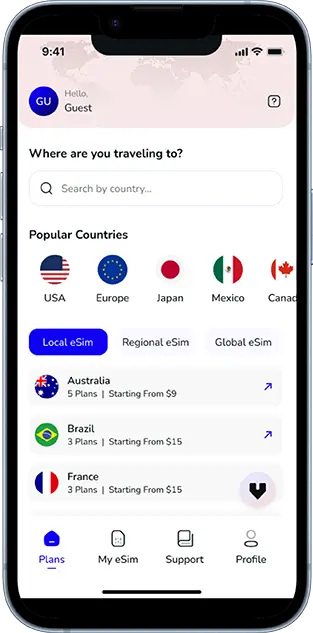
Get eSIM for Mexico
Stay online while exploring the underwater caves of Cozumel.
Belize: Barrier Reef biodiversity, world‑famous blue hole, reef sharks and turtles
Belize boasts the world’s second longest barrier reef. Famous sites include the Great Blue Hole, Turneffe Atoll, Glovers Reef, and diverse nearshore atolls. Water clarity is good (20–35 m), and temperatures stay around 26–28 °C.
Marine life includes nurse sharks, reef sharks, turtles, and tons of reef fish. Facebook reels and underwater photographers love Belize for its schooling fish, healthy coral and accessible depths (mostly 15–30 m). Dive courses are offered in resorts or small liveaboards.
It’s English‑speaking with a slower pace and easy entry (visa for many US/Canada/EU holds). While accommodations vary from rustic to mid‑luxury, dive packages are consistently good value.
Adventure at Blue Hole
Experience hassle-free connectivity wherever you go.
Thailand: Affordable Similans, seasonal whale sharks, vibrant coral reefs
Thailand’s Andaman Sea offers dive gems like Similan Islands, Khao Lak, Richelieu Rock, Koh Bon, and the infamous Sail Rock. Manta rays and whale sharks are seasonal visitors—especially between November and April. Visibility is usually 20–35 m. Water temps hover around 26–30 °C.
Equipment rental, liveaboards and PADI/SSI courses are highly affordable compared to Western retreats. The Thai hospitality industry is well-developed, so diving couples, families or solo travelers can find everything from basic dorm-style dive boats to boutique resorts.
Dive operators often pair cultural tours with diving—for example, combining temple visits in Phuket with Similan dive safaris.
Get eSIM for Thailand
Enjoy smooth connectivity across Koh Tao’s dive hotspots.
Fiji: Soft coral spectacle, shark dives and island culture
Often dubbed the “Soft Coral Capital of the World,” Fiji is vibrant underwater. Sites like Beqa Lagoon, Rainbow Reef, Great Astrolabe Reef, and Shark Alley host brilliant pink and purple corals, reef sharks, and cultural ceremonies at partner villages.
Water is warm (24–29 °C) and clear (20–40 m). Beqa Lagoon shark feeds (ethical, controlled) deliver up‑close encounters with tiger sharks, bull sharks, and grey reef sharks. Liveaboards and resorts offer diverse diving rhythms, from luxury touch to rustic local stays.
Diving Fiji also connects visitors to local village cultures—traditional kava ceremonies, storytelling, and community-based eco-tourism.
Discover Coral Vibrance
Immerse in colorful reefs and shark encounters affordably.
How to Choose the Best Country for You?
- If you crave unmatched biodiversity, macro life, and reef variety, Indonesia or Philippines are perfect.
- For encounters with manta rays and whale sharks in crystal-clear water, Maldives or Mexico (Socorro, Isla Mujeres) shine.
- Beginners or travelers on a budget should consider Egypt, Belize, or Thailand—reliable, affordable, and highly accessible.
- For unique overhead, jungle‑to-sea experiences and smaller crowds, Fiji and Palau lead the way.
- If you’re seeking drift dives and pelagics along walls, Palau’s Blue Corner, Cozumel, Komodo, and Fiji’s shark passes deliver thrilled movement.
Maximizing Your Dive Trip: Practical Advice
- Plan According to Season: Check specific dive locations—e.g. Tubbataha only April–June; Maldives mantas June‑Sept.
- Book Early: Liveaboards and dive resorts fill quickly, especially during peak dive seasons.
- Bring Critical Gear: Mask and computer ensure fit and hygiene; wetsuits/rashguards reduce rental hassle.
- Get Dive Insurance: Reputable cover like DAN or Dive Assure is essential—some operators require it.
- Be Eco-Conscious: Practice reef-safe sunscreen, don’t touch coral, and support operators that enforce marine park rules.
- Acclimate to Currents: If diving in drift-heavy zones like Palau or Socorro, get at least Advanced Open Water certified and comfortable with strong currents.
Final Friendly Recommendation
When people ask, “Which country is best for scuba diving?”, it depends on what you value:
- For marine variety & macro savants → Choose Indonesia or Philippines.
- For guaranteed mega-encounters with pristine waters → Maldives or Socorro (Mexico).
- For affordability, easy access, and beginner-friendly diving → Egypt, Thailand, and Belize.
- For unique destinations with cultural depth and healthy reefs → Fiji or Palau.
Each destination offers incredible underwater experiences—but pick based on marine life preferences, budget, and skill level. Wherever you go, you can use code VOYE15 for a 15% discount on eSIM plans.
Global Coverage, Local Rates
Experience hassle-free connectivity wherever you go.

Seamless Mobile Data Everywhere










 English
  日本語
日本語