




You hear it before you see it. A low, droning hum rolls across Padanggalak Beach, coming from somewhere in the sky. Look up, and you will find its source: a bamboo bow strapped to the spine of a kite the length of a bus, vibrating in the wind. That sound, not the size of the kites or the crowd on the sand, is what stays with you after the Bali Kite Festival.
The Bali Kite Festival, known locally as Festival Layang Layang, is not a tourist spectacle built for photographs. It is a Balinese Hindu religious tradition, a form of offering to Dewa Sang Hyang Widhi Wasa and the deities of the harvest, meant to encourage strong winds, good rain, and a bountiful rice season. Village teams called sekaa spend months building and rehearsing with kites that can stretch up to fifteen meters, competing across three traditional categories: janggan, shaped like a mythical bird with a long tail; bebean, shaped like a fish; and pecukan, a simpler leaf-shaped kite that is often the fastest and most technically demanding to fly. Understanding that context changes how you experience the day. You are watching an offering, not a show.
What Is the Bali Kite Festival and Why Do Locals Compete?
Each banjar, or local community group, builds its kites by hand over weeks, often working late into the evening in a communal shed near the temple. Bamboo is split, steamed, and bent into frames. Fabric is stretched, painted, and stitched with symbolic motifs tied to the village’s identity. Flying the kite successfully, holding it steady in strong coastal wind with a team of twenty or more people hauling on the tether, is treated as a matter of village pride as much as devotion.
Judges score teams on stability, height, and how cleanly the kite holds its shape in the air. A kite that spins out or collapses mid flight is considered a bad omen for the harvest, which is why you will see teams sprint down the beach adjusting ropes the moment the wind shifts. It is tense, loud, and completely unstaged.
When Is the Bali Kite Festival Held in 2026?
The festival traditionally runs during Bali’s dry, windy season, which usually falls between June and October, with the main event historically concentrated around July and August when trade winds off the Badung Strait are strongest. Exact dates for 2026 had not been confirmed by the Bali Tourism Board or the festival committee at the time of writing.
Because the event depends on wind conditions and temple calendar consultations, dates are often finalized only a few months ahead and can shift by a week or two. If you are planning a trip around it, treat any date you find online, including this one, as provisional until it is confirmed through official Bali tourism channels closer to the festival. Building a few flexible days into your itinerary around the expected window is the safer approach.
Land in Bali Already Connected
Skip the airport SIM queue and get mobile data working the moment you land
Where Can You Watch the Bali Kite Festival?
The main event is held at Padanggalak Beach in Sanur, on Bali’s southeast coast, which is why you will often see it referred to as the Sanur Kite Festival. The beach’s long, open stretch of sand and consistent onshore wind make it the ideal launch site for kites this size, and it has hosted the competition for decades.
On competition days, the beach fills with launch zones for each participating banjar, spectator areas along the tideline, and a stretch of temporary stalls behind the sand. Some years also see smaller, informal kite gatherings on other south coast beaches such as Mertasari or Matahari Terbit, but Padanggalak remains the place to be for the scale and organization of the main event. If this is your only kite festival day in Bali, plan to be at Padanggalak.

How Do You Get to Padanggalak Beach and Sanur?
Padanggalak sits just north of central Sanur, away from the Seminyak and Kuta tourist strip and slightly off the main Ubud to south coast route, so getting there takes some planning.
- From Seminyak: roughly 40 to 60 minutes by car in normal traffic, longer once festival crowds build.
- From Canggu: similar, around 50 to 70 minutes, since you are crossing much of southern Bali.
- From Ubud: about 45 to 60 minutes heading south toward the coast.
On festival day itself, add real buffer time. Local roads around Sanur narrow quickly, parking fills early, and police sometimes redirect traffic near the beach entrance once crowds peak. Ride hailing apps like Grab and Gojek are the most practical option for most travelers, since parking a rental scooter or car near the site can be genuinely difficult once the event gets underway. Arriving an hour before the first kites go up gives you a much better view and an easier time finding somewhere to stand.
Never Miss Your Ride Home
Keep maps and Grab or Gojek working even when festival crowds slow local networks
What Happens on Festival Day?
Expect a full day event, often starting mid morning and running into the afternoon as different banjar groups take their turn. The atmosphere builds gradually: teams arrive with kites carried flat on trucks and motorbikes, unpack them on the sand, and wait for a wind window before launching.
A few things to expect:
- Crowds concentrated near the launch zones, with locals often outnumbering foreign visitors
- Food stalls selling nasi campur, satay, fresh coconuts, and grilled corn along the beach path
- Long waits between launches as teams manage lines and rigging, followed by short bursts of activity when a kite catches wind
- Noise, both from loudspeakers announcing teams and the hum of the kites themselves once several are airborne together
Bring water, sun protection, and comfortable shoes for standing on sand for extended periods. Shade is limited directly on the beach, so many locals bring their own tarps or umbrellas.
Are Photography and Drones Allowed at the Festival?
Handheld photography is generally welcomed, since the festival is used to seeing cameras from both local and visiting photographers each year. Drone use is a different matter. Indonesia requires permits for drone operation, and large public gatherings like this one frequently have restrictions on flying over crowds for safety reasons, particularly with kite lines and tethers crossing the airspace.
Do not assume you can fly a drone at Padanggalak without checking current rules first. If aerial footage matters to you, confirm requirements with Bali’s aviation and tourism authorities before you travel, and always ask festival organizers or local police on site before launching anything.
How Do You Stay Connected in Bali During the Festival?
Padanggalak sits outside Bali’s main tourist corridor, and once festival crowds arrive, mobile networks in the immediate area can slow under the sheer volume of people trying to use data at once. There is no reliable WiFi on site, so whatever connection you have on your phone is what you are working with for maps, ride bookings, and messaging.

This matters more than it sounds. Grab and Gojek both require a live data connection to book, track, and pay for rides, and the moment the festival wraps up, hundreds of attendees try to book a car or scooter home at the same time. If your signal drops right when you need it most, you can end up stranded on a dark roadside waiting for a connection to catch up.
A few practical habits help:
- Download offline maps of the Sanur and Padanggalak area in Google Maps before you leave your accommodation, so navigation still works even if signal dips
- Book your return ride slightly before the crowd disperses rather than waiting until everyone else is doing the same
- Keep your phone charged, since a full day in the sun with maps and ride apps running will drain a battery fast
Our guide on using Google Maps without a reliable connection walks through setting up offline routes before you head anywhere with patchy coverage, which is worth doing before festival day specifically. If you are building a wider itinerary, our ultimate Bali travel guide covers connectivity and logistics for the rest of your trip too, and our roundup on staying connected at festivals is useful for any crowded event where local networks get overloaded.
New Traveler? Save On Your First Plan
First time customers save with code VOYE15 on their first Voye Global order
How Do You Set Up an Indonesia eSIM Before Festival Day?
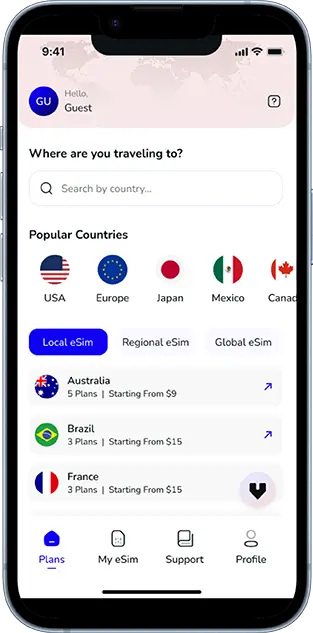
An eSIM, a digital SIM card you activate without needing a physical chip, means you can arrive in Bali already connected instead of hunting for a local SIM shop the morning of the festival. Voye Global’s Indonesia eSIM plans give you data coverage the moment you land, with instant activation, no roaming charges, and unrestricted hotspot use if you need to share your connection with travel companions navigating the same crowd.
Set it up before you fly, not after you land. It takes a few minutes:
- Buy your Indonesia eSIM plan online before departure
- Follow the QR code activation steps once you have WiFi, ideally at your hotel or before you leave home
- Turn on mobile data and hotspot access as needed once you land
If anything about setup is unclear, Voye Global’s support team is available 24/7 in multiple languages, so you are not stuck troubleshooting alone at 7am on festival morning. First time customers can use code VOYE15 for a discount on their first order.
Final Thoughts
The Bali Kite Festival rewards travelers who plan around it rather than dropping in blind. Confirm the 2026 dates closer to your trip, build in extra travel time to Padanggalak Beach, and treat connectivity as part of your logistics rather than an afterthought. Get that groundwork sorted and you are free to just stand on the sand, watch a fifteen meter fish kite fight the wind, and listen to that hum overhead.
Frequently Asked Questions
Official 2026 dates had not been confirmed at the time of writing. The Bali Kite Festival traditionally takes place during the dry, windy season, generally between June and October, with the main event often falling in July or August. Confirm exact dates with local Bali tourism sources closer to your travel window.
The main Bali Kite Festival is held at Padanggalak Beach in Sanur, on Bali’s southeast coast. Its long open sand and steady onshore wind make it the traditional launch site for the region’s giant competition kites, which is why it is sometimes called the Sanur Kite Festival.
The festival is a Balinese Hindu religious offering, flown to encourage strong winds, good rain, and a successful rice harvest. It is not staged as tourist entertainment, though visitors are welcome to watch. Village teams compete as a form of devotion tied to the agricultural calendar.
A single competition day typically runs from mid morning into the afternoon, though the broader festival season can include multiple event days across different banjar groups during the windy months. Check with local organizers for the specific schedule in the year you plan to visit.
Watching from the beach is generally open to the public as a community event, though any entry arrangements or registration requirements for visitors can vary by year and location. Confirm current access details with local Bali tourism information before you travel.
Balinese competition kites fall into three traditional categories: janggan, a bird shaped kite with a long tail; bebean, shaped like a fish; and pecukan, a simpler leaf shaped kite known for speed. Each is built by hand from bamboo and fabric by a village team.
Giant kites are flown as offerings to the gods associated with harvest and wind, a tradition rooted in Balinese Hindu belief. The scale of the kites and the effort of the sekaa teams reflect the seriousness of the offering, not just a display of craftsmanship.
Tourists are welcome as spectators at the Bali Kite Festival, and photography is generally accepted. Actually flying in the competition is reserved for local banjar teams who have built and trained with their kites, so visitors should plan to watch rather than participate directly.

Seamless Mobile Data Everywhere














 English