




Austria is one of the easiest countries in Europe to explore without driving. From efficient trains and scenic buses to walkable cities and well-connected villages, travelers can move across the country smoothly while enjoying some of the most beautiful landscapes in the world. Whether you are planning to visit Vienna, Salzburg, Innsbruck, Hallstatt, or the Austrian Alps, public transportation in Austria is reliable, safe, and designed for both locals and tourists.
Traveling without a car in Austria also gives visitors a more relaxed and authentic experience. Instead of worrying about parking fees, mountain roads, or fuel costs, travelers can focus on enjoying historic towns, alpine lakes, and cultural attractions.
Why Austria Is Perfect for Car-Free Travel?
Austria has invested heavily in its public transportation system for decades. The country’s rail network reaches major cities, small towns, and even remote mountain destinations. Trains are punctual, stations are clean, and transportation apps provide real-time updates that help tourists travel confidently.
Stay Connected Across Austria
Use fast mobile data while exploring Austrian cities and train routes.
One of the biggest reasons travelers choose public transport in Austria is convenience. Most cities are compact and walkable, especially places like Vienna and Salzburg. Visitors can arrive at a train station and quickly reach hotels, restaurants, museums, and shopping districts on foot or through local transit systems.
Austria is also environmentally conscious, encouraging sustainable tourism through eco-friendly transportation. Travelers who avoid renting cars often reduce costs while supporting greener travel practices. This combination of convenience, affordability, and sustainability makes Austria one of Europe’s top destinations for car-free exploration.
Exploring Austria by Train
The Austrian railway system is considered one of the best in Europe. Operated mainly by ÖBB, Austria’s national rail company, trains connect almost every major destination across the country. High-speed Railjet trains make long-distance travel comfortable and efficient, while regional trains provide access to smaller towns and alpine villages.
Traveling by train in Austria is not only practical but also incredibly scenic. Routes through the Alps offer panoramic views of snow-covered mountains, lakes, and charming countryside landscapes. Some travelers even consider train rides in Austria a highlight of the trip itself.
Popular train routes include:
- Vienna to Salzburg
- Salzburg to Innsbruck
- Vienna to Graz
- Innsbruck to Zell am See
Most trains offer free Wi Fi, spacious seating, and dining options, making long journeys comfortable for international travelers. Booking tickets in advance can also help visitors save money, especially during peak travel seasons.
Using Public Transportation in Vienna
Vienna has one of the most efficient urban transport systems in Europe. The city’s network includes underground metro lines, trams, buses, and suburban trains that cover nearly every neighborhood and tourist attraction.
For travelers visiting Vienna without a car, the metro system is often the fastest option. Stations are clearly marked, trains run frequently, and tickets are affordable. Trams are another excellent way to explore the city because they allow visitors to enjoy Vienna’s historic streets while moving between landmarks.
Many of Vienna’s top attractions are accessible through public transit, including Schönbrunn Palace, St. Stephen’s Cathedral, Belvedere Palace, and the MuseumsQuartier. Since parking in Vienna can be expensive and limited, public transportation is often a smarter and more cost-effective choice.
Walking is also highly recommended in Vienna. The city center is pedestrian-friendly, allowing travelers to experience local cafés, architecture, and shopping streets at a comfortable pace.
Traveling Between Austrian Cities
Getting between cities in Austria without a car is straightforward thanks to frequent rail and bus connections. Most major destinations are linked by direct trains that operate daily, reducing the need for complicated transfers.
For example, travelers can reach Salzburg from Vienna in approximately two and a half hours by high-speed train. Innsbruck is accessible from Salzburg in under two hours, while Graz offers easy rail access from both Vienna and Salzburg.
Buses complement the rail network by serving smaller towns and mountain regions that may not have direct train access. Long-distance buses are generally modern, affordable, and comfortable for travelers exploring less-visited areas.
One of the advantages of public transportation in Austria is the consistency of schedules. Even in winter, trains and buses continue operating efficiently despite snowy conditions in alpine regions.
Check out our plans
-
Austria 7 Days Unlimited
USD 13.00 -
Austria 10 Days Unlimited
USD 17.00 -
Austria 15 Days Unlimited
USD 23.00 -
Austria 30 Days 15GB
USD 13.00 -
Austria 30 days 25GB
USD 20.00 -
Austria 30 Days Unlimited
USD 39.00
Visiting Hallstatt Without a Car
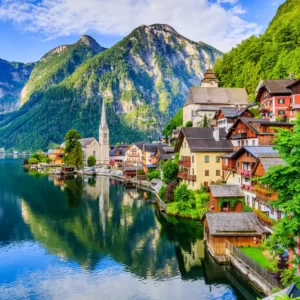
Hallstatt is one of Austria’s most famous destinations, and many travelers wonder if it can be visited without driving. The answer is yes. In fact, public transport is often the best way to reach this picturesque lakeside village.
Travelers can take a train to Hallstatt station and then board a short ferry ride across the lake to the village center. This arrival experience is considered one of the most beautiful in Europe, offering breathtaking views of the mountains and waterfront houses.
Since Hallstatt is very small, walking is the best way to explore it. Narrow streets, lakeside paths, and scenic viewpoints are all accessible on foot. Driving in Hallstatt can actually be stressful due to limited parking and busy roads during peak tourist seasons.
Visitors planning a day trip or overnight stay in Hallstatt often combine trains and ferries for a smooth and memorable experience.
Navigating the Austrian Alps
Many travelers assume a car is necessary for visiting the Austrian Alps, but public transportation reaches numerous mountain destinations. Alpine towns like Innsbruck, St. Anton, Zell am See, and Kitzbühel are all accessible by train.
Cable cars, local buses, and regional rail services help travelers continue into mountain areas after arriving in alpine towns. Ski resorts and hiking regions typically provide shuttle services that connect visitors to trails, slopes, and hotels.
Austria’s mountain transport system is particularly useful during winter. Snowy roads can be difficult for foreign drivers unfamiliar with alpine conditions, making trains and buses a safer option.
Summer travelers also benefit from public transport because many hiking routes begin near train stations or bus stops. This allows visitors to enjoy outdoor adventures without worrying about returning to parked vehicles.
Best Transportation Passes for Travelers
Austria offers several transportation passes that help tourists save money while exploring the country. These passes are especially useful for travelers planning to visit multiple cities or use public transit frequently.
The Eurail Pass is popular among international visitors traveling across several European countries, including Austria. Travelers focused mainly on Austria may prefer regional train tickets or city transit cards.
Vienna offers transportation passes that include unlimited rides on metro lines, trams, and buses for specific time periods. Salzburg and Innsbruck also provide local transit cards that simplify travel within the cities.
Before purchasing passes, travelers should compare prices based on their itinerary. In some cases, advance train tickets may cost less than unlimited travel passes.
Tips for Using Public Transport in Austria

Traveling around Austria without a car becomes even easier when visitors understand a few local transportation habits and practical tips.
Always validate tickets when required, especially on regional transportation systems. Ticket inspections are common, and fines for invalid tickets can be expensive.
Travelers should also download transportation apps for schedules and route planning. Real-time updates are extremely helpful during transfers or weather-related delays.
Here are a few additional tips for smooth travel:
- Book long-distance train tickets early for lower prices
- Keep some cash available for small stations or rural buses
- Travel light because many stations have stairs or limited elevators
- Check seasonal schedules in alpine regions
Austria’s transportation culture values punctuality, so arriving at stations a few minutes early is recommended.
Is Renting a Car Necessary in Austria?
For most travelers, renting a car in Austria is unnecessary. Public transportation provides access to nearly every major attraction and destination. Cities are easier to navigate without vehicles, and train travel often reduces stress and expenses.
There are a few situations where a car might help, such as visiting extremely remote rural areas or planning extensive countryside road trips. However, these cases are less common for standard tourism itineraries.
Parking fees, toll roads, fuel costs, and winter driving conditions can quickly increase travel expenses for visitors who choose to rent cars. Travelers who rely on trains and buses often enjoy a more relaxed and scenic journey.
Austria’s tourism infrastructure is designed to support visitors who travel sustainably. Hotels, attractions, and tourist offices commonly guide train and bus travel, making independent exploration simple even for first-time visitors.
Easy Internet For Austria
Enjoy seamless connectivity during train rides, sightseeing, and alpine adventures.
The Benefits of Slow Travel in Austria
Traveling without a car often encourages a slower and more meaningful travel experience. Instead of rushing between destinations, visitors have more opportunities to appreciate Austria’s landscapes, architecture, and local culture.
Train stations are frequently located near city centers, allowing travelers to interact with neighborhoods, cafés, markets, and local businesses immediately upon arrival. Walking through Austrian towns also creates opportunities to discover hidden streets, traditional bakeries, and scenic viewpoints that drivers might miss.
Public transportation in Austria supports stress-free travel because visitors can relax during journeys rather than focusing on navigation. Reading, photography, and simply enjoying alpine scenery become part of the experience itself.
For travelers interested in sustainability, choosing trains and buses also aligns with environmentally responsible tourism practices. Austria’s strong focus on eco-conscious travel makes public transportation an appealing option for modern travelers.
Final Thoughts
Austria proves that exploring Europe without a car can be convenient, enjoyable, and deeply rewarding. From high-speed trains and scenic regional railways to walkable cities and alpine transport systems, the country offers travelers a seamless way to experience its beauty. Whether visiting famous cities or charming mountain villages, public transportation allows visitors to travel comfortably while avoiding the stress of driving.
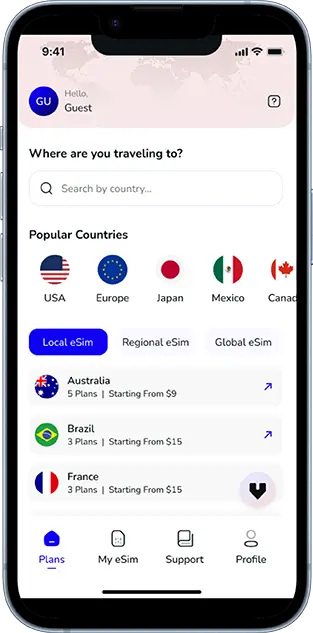
Travelers who plan, use reliable transportation apps, and stay connected with an Austria eSIM by Voye Global can move around the country confidently and efficiently. With breathtaking landscapes, excellent infrastructure, and sustainable travel options, Austria stands out as one of the best destinations in Europe for car-free adventures. By embracing trains, buses, ferries, and walking routes, visitors can fully enjoy the authentic charm and unforgettable scenery that make Austria such an incredible place to explore.

Seamless Mobile Data Everywhere














 English